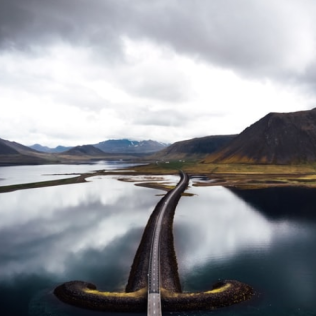
For many visitors, driving Iceland’s Ring Road is the ultimate bucket-list road trip. Officially known as Route 1, the Ring Road loops around the entire country, connecting Iceland’s most famous landscapes, waterfalls, glaciers, volcanoes, black sand beaches, and coastal towns.
To drive the full Ring Road in Iceland, you should allow at least 8-10 days, though many travelers prefer 10-14 days to enjoy a relaxed self-drive itinerary. No matter the season, a Ring road trip offers one unforgettable highlight after another. The key question is not if you should drive it, but when is the best time to drive the Iceland Ring Road?
Below is a season-by-season guide, with practical driving advice, weather expectations, and travel tips.
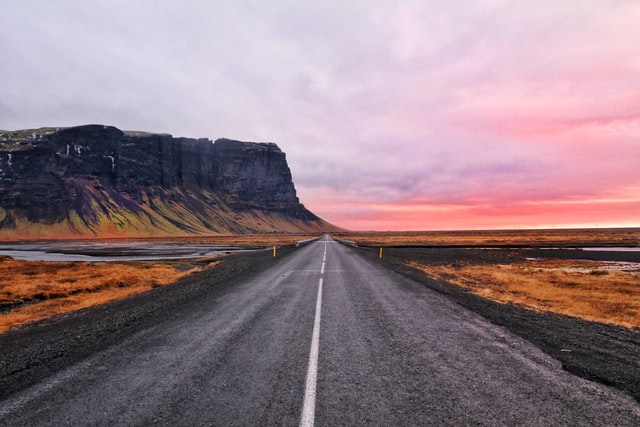
Spring on the Ring Road (March to May)
Spring is a transitional season in Iceland, and driving conditions can vary widely.
In March, winter often still lingers, especially in North and East Iceland. Snowfall remains possible, but the Ring Road is a priority route and is regularly ploughed and kept open. As temperatures gradually rise through April and May, icy roads become less common, and weather-related delays are reduced.
By late spring, days become significantly longer, allowing more daylight driving. This is a shoulder season, meaning:
- Lower rental car prices than summer
- Fewer crowds at major attractions
- Increasing availability of tours and activities
Spring is ideal for travelers looking for better value, flexible itineraries, and quieter sightseeing.
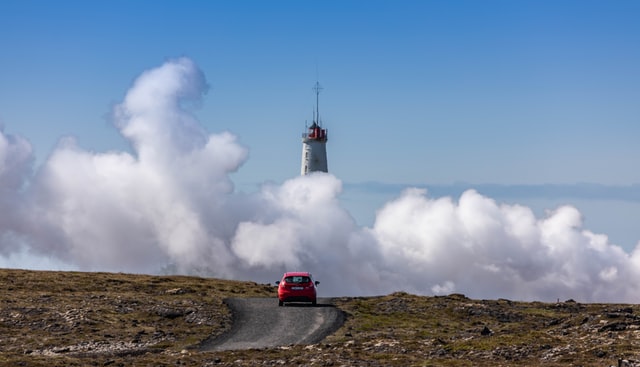
Summer on the Ring Road (June to August)
Summer is the most popular time to drive the Iceland Ring Road, and for good reason.
Road conditions are at their best, mountain passes are fully open, and the weather is generally milder. Although rain and wind can still occur, summer offers the most stable driving conditions of the year.
One of the biggest advantages is the midnight sun. In June and July, it barely gets dark, giving you:
- Maximum daylight for driving and sightseeing
- More time for hikes, detours, and scenic stops
- Greater flexibility with daily plans
The downside is demand. Summer is peak season, meaning higher accommodation prices, busier roads, and limited availability of rental cars unless booked well in advance. Booking early with Firefly Iceland is essential if you want the best rates.

Autumn on the Ring Road (September to November)
Autumn is often overlooked, but it’s one of the most rewarding seasons for a Ring Road road trip.
September still offers relatively mild conditions, with stunning autumn colors and fewer visitors. You may even witness réttir, the traditional Icelandic sheep round-up, as you pass through rural regions.
As the season progresses:
- Days become shorter
- Winds increase, especially in exposed areas
- Occasional snow may appear in late October or November
Despite this, the Ring Road remains largely accessible, and crowds drop significantly. Popular stops like Skógafoss and Jökulsárlón are noticeably quieter, making parking and photography easier.
Autumn is ideal for travelers who want fewer crowds, dramatic landscapes, and the chance to see Northern Lights later in the season.

Winter on the Ring Road (December to February)
Driving the Ring Road in winter might sound intimidating, but Iceland’s climate is milder than many expect, thanks to the Gulf Stream.
The Ring Road is rarely closed for extended periods, and rental cars are equipped with winter tires with studs, offering added grip on snow and ice. That said, winter driving requires flexibility and careful planning:
- Weather conditions can change quickly
- Daylight is limited, especially in December and January
- Monitoring road and weather forecasts is essential
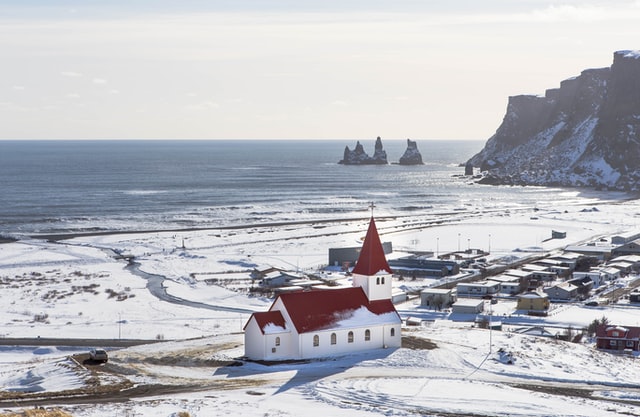
The biggest reward is the experience itself. Snow-covered landscapes, frozen waterfalls, fewer tourists, and the opportunity to chase the Northern Lights make winter a truly magical time for a self-drive adventure. In East Iceland, you might even spot reindeer along the roadside.
So, When Is the Best Time to Drive the Iceland Ring Road?
There is no single best time to drive the Iceland Ring Road. Each season offers its own advantages:
- Spring: better value, longer days, fewer crowds
- Summer: best weather, maximum daylight, full accessibility
- Autumn: quieter roads, autumn colors, Northern Lights potential
- Winter: dramatic scenery, auroras, unique winter landscapes
The best time depends on your travel style, budget, and comfort with driving conditions.
If you’re planning a self-drive adventure, browsing cheap rental car options with Firefly Iceland is a great place to start. With the right preparation, any season can be the perfect time to drive Route 1.

Ring Road Iceland – Frequently Asked Questions (FAQ)
- How many days do you need to drive the Ring Road in Iceland?
Most travelers need 8-10 days to drive the Ring Road comfortably. For a slower pace with more stops, 10-14 days is ideal.
- Can you drive the Ring Road in winter?
Yes. The Ring Road is maintained year-round. Winter driving requires caution, flexibility, and close attention to weather and road conditions.
- Do you need a 4×4 to drive the Ring Road?
A 2WD car is sufficient in summer for most travelers. In winter, a 4×4 is strongly recommended for better traction and safety.
- Is the Ring Road fully paved?
Yes. The entire Ring Road is paved, though short gravel sections may appear near construction zones or detours.
- Is driving the Ring Road safe?
Driving in Iceland is generally safe if you follow local laws, check weather updates, and adjust your plans when conditions change.
- When is the cheapest time to drive the Ring Road?
Late spring and autumn are typically the cheapest times, offering lower rental car prices and fewer crowds compared to summer.
Conclusion: Plan Your Iceland Ring Road Adventure with Confidence
Driving the Iceland Ring Road (Route 1) is one of the best ways to explore the country at your own pace. From waterfalls and glaciers to quiet fishing villages and wide open landscapes, a Ring Road road trip gives you the freedom to experience Iceland far beyond the main tour routes.
There is no single best time to drive the Ring Road. Summer offers long daylight hours and easier driving, spring and autumn provide better value and fewer crowds, while winter rewards confident drivers with dramatic scenery and Northern Lights opportunities. With the right planning flexible scheduling, and awareness of road and weather conditions, the Ring Road is achievable in every season.
Choosing the right rental car plays a big role in how enjoyable your trip will be. Booking early, selecting a vehicle suited to the season, and allowing enough time for your itinerary will help ensure a smooth self-drive experience. If you’re looking for cheap car rental in Iceland with simple pick-up and reliable vehicles, Firefly Iceland makes it easy to start your Ring Road journey without stretching your budget.
No matter when you travel, driving Route 1 is more than just a road trip, it’s an unforgettable way to see Iceland on your own terms.