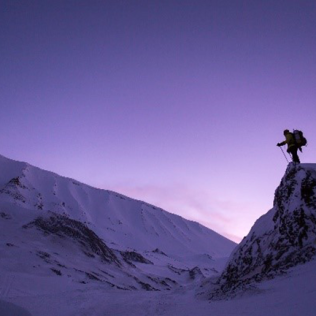
Iceland is a true paradise for hikers, offering everything from coastal paths and lava fields to glacier valleys and remote highland trails. However, Iceland’s rapidly changing weather, rugged terrain, and limited infrastructure mean that proper planning is essential, even for experienced hikers.
Understanding Iceland’s Weather
Iceland’s weather is famously unpredictable. Conditions can shift from sunshine to wind, rain or fog within minutes. Being prepared for sudden changes is one of the most important hiking safety rules in Iceland.
Weather also varies greatly between seasons, affecting trail access, daylight and required gear.
Summer Hiking in Iceland (June – August)
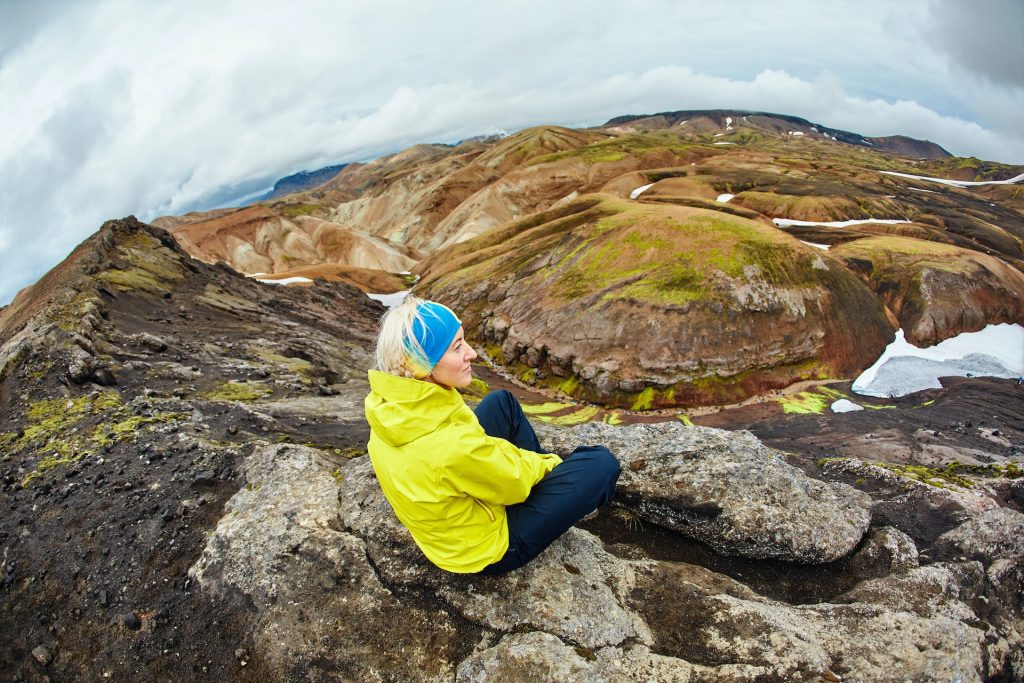
Summer is the most popular time for hiking in Iceland and generally offers the best conditions.
- Daylight: Nearly 24 hours of daylight during the Midnight Sun in June
- Temperatures: Typically 10°C to 15°C (50°F to 59°F), occasionally reaching 20°C (68°F)
- Trail access: Highland routes and mountain trails usually open
Despite favorable conditions, summer hiking still requires caution. Rain showers, strong winds, and muddy trails caused by snowmelt are common. Waterproof boots and wind-resistant clothing are essential even in peak summer.
Winter Hiking in Iceland (Nov–March)
Winter hiking in Iceland is challenging and should only be attempted with proper preparation
- Daylight: As little as 4-5 hours in December
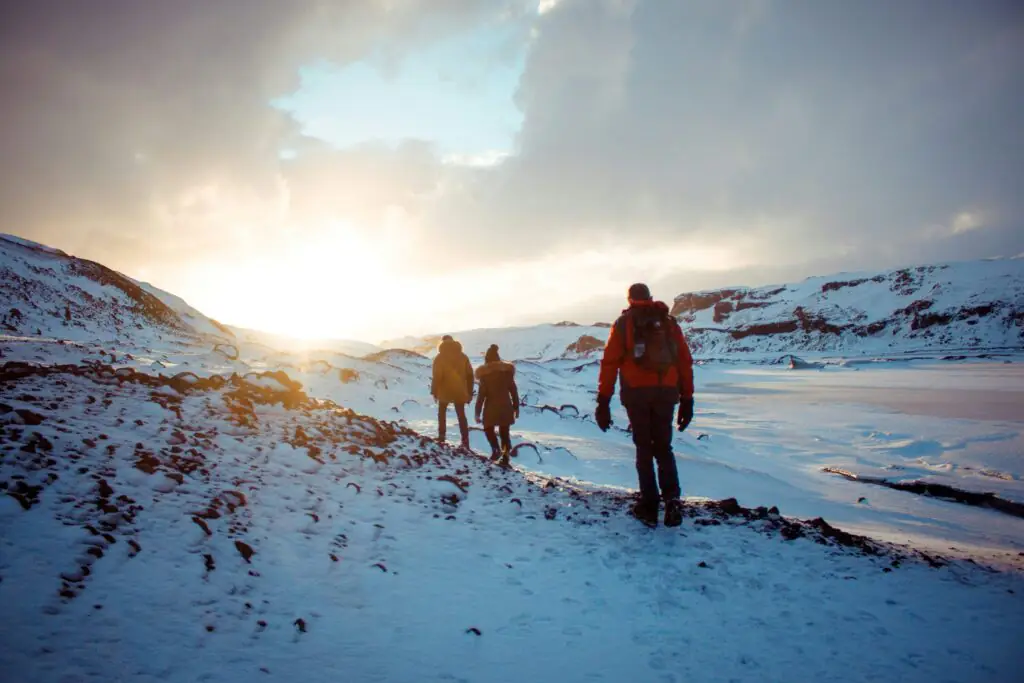
- Temperatures: Often between -1°C to 4°C (30°F to 39°F), colder inland and at elevation
- Trail conditions: Snow, ice, and limited visibility
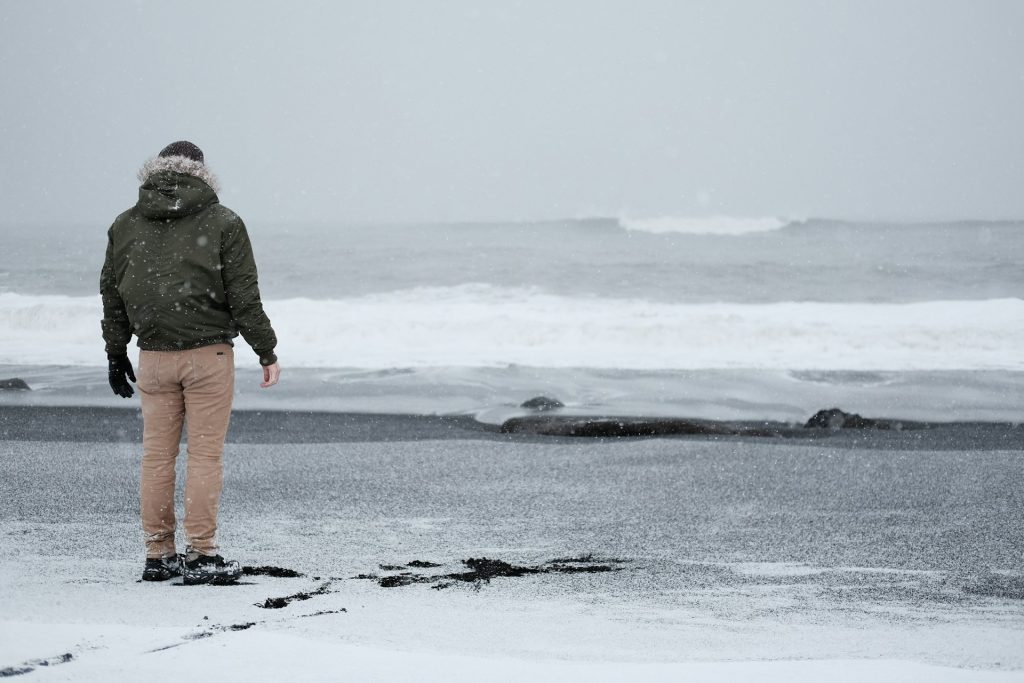
Winter hikers must carry traction aids such as micro spikes or crampons and monitor conditions closely. The reward can be spectacular winter scenery and the possibility of seeing the Northern Lights, but safety must always come first.
Key Weather Considerations for hiking in Iceland
- Cold year-round: Even in July, temperatures can drop near freezing at night.
- Rapid weather changes: Always check forecasts from Vedur.is heading out.
- Strong winds: Gusts can be dangerous on exposed ridges and coastal paths.
Essential Hiking Gear for Iceland
Proper gear is crucial for staying safe and comfortable while hiking in Iceland.
Clothing
- Layered clothing system: Moisture-wicking base layers, insulating mid-layers, and a waterproof outer shell
- Waterproof hiking boots: Good ankle support and strong grip are critical
- Accessories: Hat, gloves, and a neck gaiter for wind protection
Equipment
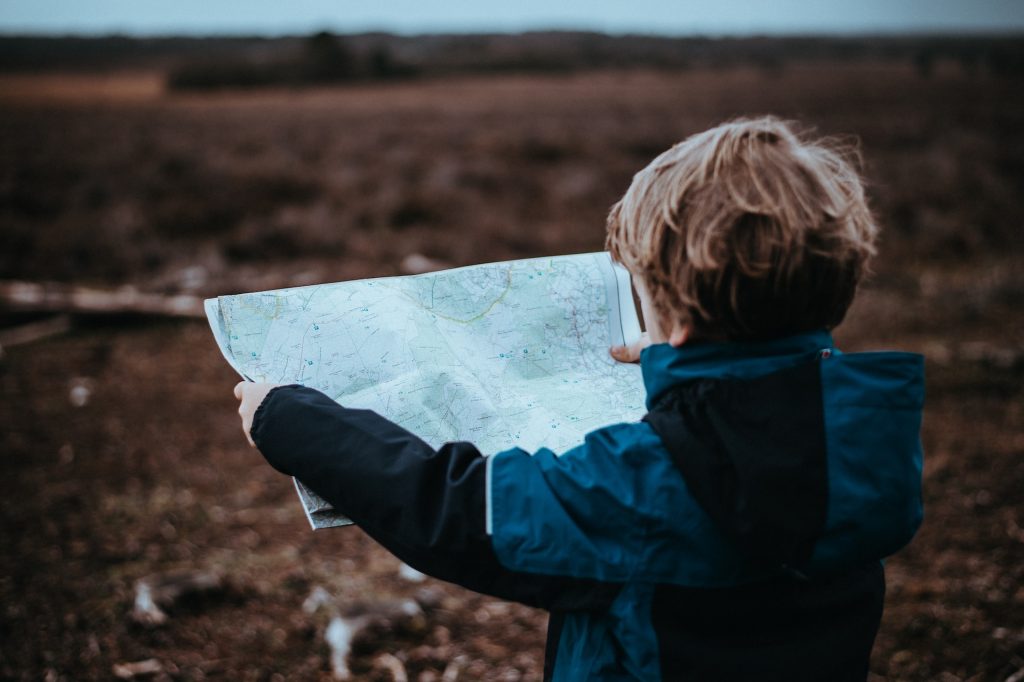
- Map and GPS: Carry a physical map and offline digital navigation
- Food and water: High-energy snacks and enough water for changing conditions
- First aid kit: Include blister care and personal medication
- Whistle for children: A simple but effective safety tool if someone gets separated
Related reading: What to Wear in Iceland: Smart Packing Tips for Every Season.
Safety Tips for Hiking in Iceland
Being aware of potential hazards and knowing how to handle them is vital for a safe hiking experience.
Terrain Awareness
- Slippery Surfaces: Wet rocks, moss, and ice are common near waterfalls and rivers
- Snow-covered trails: Trails can disappear completely in winter or early spring
- River crossing: Never cross swollen rivers without proper knowledge and equipment
Trekking poles are highly recommended for balance or uneven ground.
Wildlife and Plants Safety
Iceland has no dangerous animals like bears or wolves, but hikers should still respect nature.
- Arctic foxes: Rare and shy, observe from a distance
- Giant hogweed: Can cause severe skin reactions: avoid touching unknown plants
- Stay on trails: Protect both yourself and Iceland’s fragile ecosystem.
Hiking with Children and Teenagers
- Young children: Choose short, clearly marked trails and supervise closely
- Teenagers: Set clear rules about staying on trail and weather awareness
- Communication: Agree on meeting points and regular check-ins
- Related reading: Iceland With Kids: Things To Do and Where To Go
Choosing the Right Rental Car for Hiking in Iceland
Many of Iceland’s best hiking areas require driving on gravel roads or remote routes. Choosing the right vehicle makes a major difference.
Firefly Iceland Car Rental offers cheap vehicles suitable for different hiking plans and seasons.
What to Consider
- Road types: Gravel roads are common near trailheads
- Season: Winter requires proper tires and good traction
- Group size: Consider space for people and gear
Recommended Vehicles Types
- 4×4 SUVs: Best for remote trail access and highland routes.
- Compact Cars: Suitable in summer for paved-road hikes.
- Vans: Ideal for families or groups with equipment
Optional extras like GPS, child seats, and insurance coverage can further improve safety and comfort.
Frequently Asked Questions (FAQ)
- Is hiking in Iceland safe for beginners?
Yes, many Icelandic hiking trails are beginner-friendly, especially in summer. Always choose routes that match you fitness level and check weather conditions before setting out.
- Can you hike in Iceland in winter?
Yes, but winter hiking requires experience, proper gear, and careful planning. Short daylight hours and icy conditions increase risk.
- What is the best time of year to hike in Iceland?
June to August is the best time for most hikers due to long daylight hours and open trails. Shoulder seasons require more caution.
- Do I need a guide to hike in Iceland?
Many popular trails can be done independently, but guided hikes are recommended in winter or for glacier and highland routes.
- What car do I need to reach hiking trails in Iceland?
For summer hikes near paved roads, compact car is sufficient. For gravel roads, remote areas, or winter travel, a 4×4 vehicle is strongly recommended.
- Is it safe to hike alone in Iceland?
Solo hiking is possible but not advised in remote areas or poor weather. Always inform someone of your plans and carry navigation tools.
Conclusion: Hiking Smart and Explore Iceland with Confidence
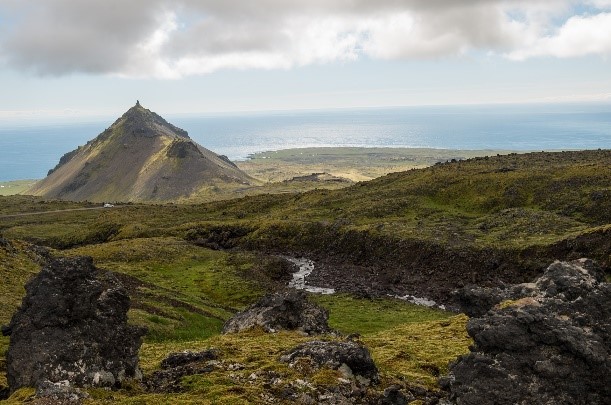
Hiking in Iceland is an unforgettable experience, offering access to some of the world’s most dramatic and untouched landscapes. From summer hikes under the Midnight Sun to quiet winter trails surrounded by snow and ice, every season brings something unique. At the same time, Iceland’s fast-changing weather, rugged terrain, and remote locations mean that preparation is not optional, it is essential.
Before heading out, keep these final safety tips in mind:
- Plan your route and share your plans with someone before you go
- Check weather and road conditions daily, as conditions can change quickly
- Stay on marked trails at all times to avoid hazards and protect fragile nature
- Follow Leave No Trace principles to help preserve Iceland’s landscapes
By understanding seasonal conditions, wearing the right gear, respecting nature, and planning your routes carefully, you can hike safely and responsibly. Choosing a suitable rental car also plays a key role, allowing you to reach trailheads comfortably while adapting to Iceland’s road and weather and conditions.
With the right preparation, hiking in Iceland can be one of the most rewarding outdoor experiences in the world. Take your time, stay aware of your surroundings, and enjoy the freedom of exploring Iceland’s landscapes at your own pace.