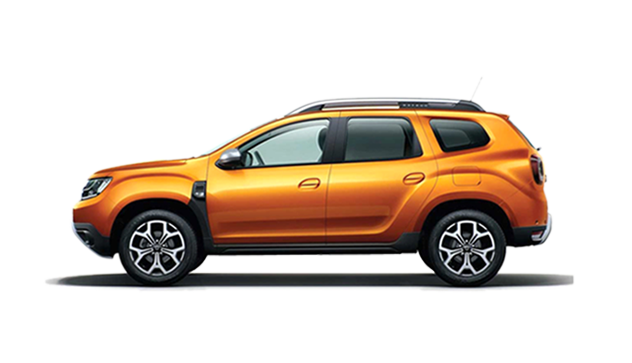
Icelandic weather is notorious for being unpredictable. Snow in June? Entirely possible! A sunny day in October? Also entirely possible.
With so much uncertainty, this guide gives you a clear overview of Iceland weather by season, along with advice on choosing the right rental car in Iceland and how to get around safely.
This is your quick guide to what the weather is like in Iceland through out the year.

Iceland Weather by Month: What to Expect Year-Round
If you’re planning a trip, understanding Iceland weather by month can help you decide when to visit and what driving conditions to expect.
- January – February: Coldest months, frequent snow, limited daylight. Best for Northern Lights but challenging driving conditions.
- March: Still wintery, but daylight increases. Roads remain icy, especially outside Reykjavík.
- April: Start of Spring. Mixed conditions with snow, rain, and improving roads.
- May: Milder weather, longer days, and better driving conditions across most regions.
- June: Start of summer and the Midnight Sun. Occasional rain, but great for road trips.
- July: Warmest month. Ideal for driving the Ring Road and accessing F-roads.
- August: Similar to July, slightly wetter but still excellent for travel.
- September: Start of autumn. Cooler temperatures and first chances to see the Northern Lights.
- October: More rain, wind and early snow. Road conditions begin to worsen.
- November: Winter begins. Snow and ice return, with shorter daylight hours.
- December: Cold, dark, and snowy. Best for Northern Lights but requires careful driving.
What This Means for Driving in Iceland
- Best months for driving: June to September
- Most challenging conditions: November to March
- 4×4 recommended: Winter
- 2WD suitable: Summer on main roads like the Ring Road

Spring in Iceland (April – May)
Spring in Iceland is a transition period where winter slowly gives way to milder conditions. Temperatures begin to rise, but weather conditions remain unpredictable.
- Average temperature in Reykjavík: around 4°C to 9°C (39°F to 48°F)
- Akureyri stays slightly cooler with lower temperatures
- Snow, rain, and sunshine can all happen in a single day
Spring is actually one of the drier seasons in Iceland, but sudden snowstorms and icy conditions are still possible.
Driving in Iceland in Spring
Road conditions begin to improve in April, and by May most main roads, including the Ring Road, are in good condition. However, icy patches and sudden weather changes are still common.
- Always check road.is for road conditions
- Check vedur.is for weather forecasts
- F-roads remain closed until at least mid-June
Best Rental Car in Iceland for Spring
Spring driving can still be unpredictable, so choosing the right vehicle really matters.
- 4×4 rental in Iceland is recommended, especially for North Iceland or changing conditions
- A 2WD car may be suitable for Reykjavík and the South Coast in late spring
- Always allow flexibility in your travel plans in case weather conditions change
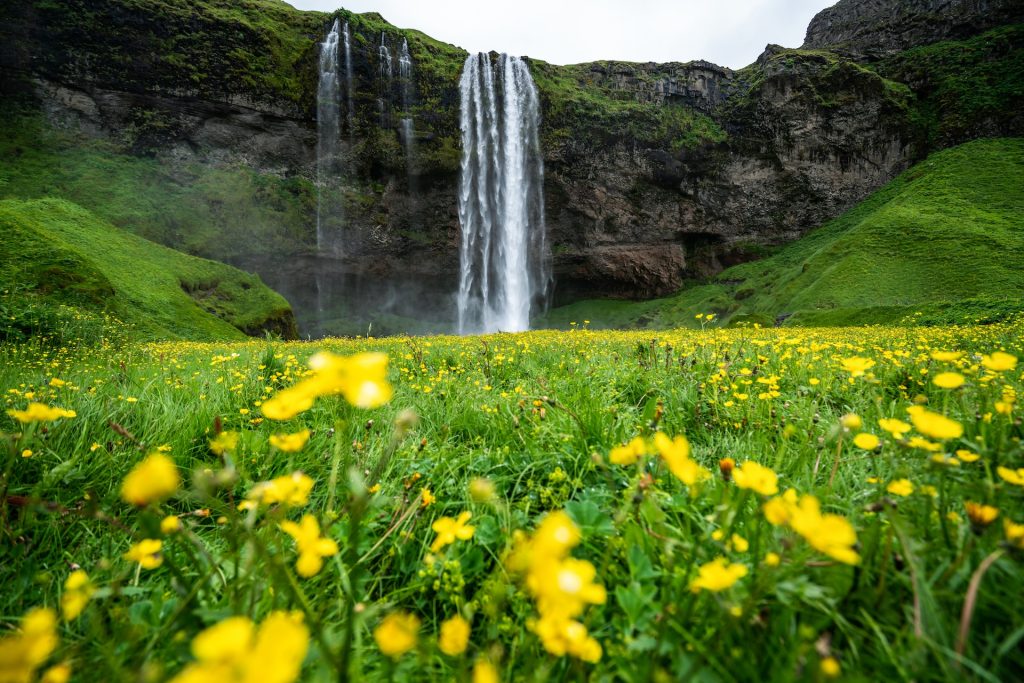
Summer in Iceland (June – August)
Summer is the most popular time to visit Iceland. You’ll experience the Midnight Sun, longer days, and generally easier travel conditions.
- Average temperature in Reykjavík: 7°C to 25°C (44°F to 77°F)
- July is typically the warmest month
- Weather can still change quickly from sun to rain
Driving in Iceland in Summer
Summer offers the best conditions for a self-drive Iceland road trip, especially when visiting well-known stops like the Blue Lagoon in Iceland, which is easily accessible by car from Keflavík.
- All major roads are open and easy to drive
- Most F-roads open between late June and July
- River crossings in the Highlands can still be dangerous
Best Rental Car in Iceland for Summer
Summer gives you the most flexibility when choosing a car.
- 2WD cars are perfect for the Ring Road and main attractions
- 4×4 rental cars are required for F-roads and Highland driving
- Ideal season for campervans and longer road trips

Autumn in Iceland (September – October)
Autumn in Iceland is short but beautiful, with fewer crowds and the return of darker nights.
- Average temperature: around 4°C to 7°C (39°F to 44°F)
- Increased rainfall and stronger winds
- First snowfalls often begin in October
This is also when Northern Lights season in Iceland begins, especially from late September onward.
Driving in Iceland in Autumn
Road conditions change quickly during autumn.
- Early September is usually stable
- By October, snow and ice become more common
- Northern and remote areas become more challenging
Best Rental Car in Iceland for Autumn
Autumn conditions can be unpredictable, so flexibility is key.
- A 4×4 rental is recommended for safety and comfort
- A 2WD vehicle may still work in the south early in the season
- Always monitor weather forecasts before driving

Winter in Iceland (November – March)
Winter in Iceland brings snow, ice, strong winds, and limited daylight.
- Average temperature in Reykjavík: around 0°C to 2°C (32°F to 35°F)
- January is the coldest month
- Northern regions like Akureyri and the Westfjords get significantly more snow
Winter is also the best time to see the Northern Lights, but it comes with more challenging driving conditions.
Driving in Iceland in Winter
Driving in Iceland during winter requires experience and preparation.
- Roads can be icy, snowy, and sometimes closed
- Strong winds and storms are common
- Daylight hours are very limited
Many areas, especially the Westfjords, can become inaccessible due to snow.
Best Rental Car in Iceland for Winter
Vehicle choice is critical in winter.
- A 4×4 is strongly recommended
- All rental cars include winter tires (mandatory in Iceland)
- Not suitable for inexperienced winter drivers

Choosing the Right Rental Car in Iceland
No matter the season, choosing the right vehicle will shape your trip.
- 2WD cars: best for summer and main roads
- 4×4 vehicles: essential for winter, Highlands, and unpredictable conditions
- Always match your rental car to your route and season
At Firefly Iceland, you can choose from a range of cheap car rental options in Iceland, including both cheap 2WD cars and affordable 4×4 rentals, making it easier to plan your trip without overspending.

FAQ: Iceland Weather & Driving
- What is the best time to visit Iceland for good weather?
Summer (June to August) offers the most stable weather, longer daylight hours, and the easiest driving conditions.
- Is Iceland weather really that unpredictable?
Yes, Iceland weather can change quickly. It’s common to experience sun, rain, and wind all in one day.
- Do I need a 4×4 rental car in Iceland?
A 4×4 is recommended in winter and required for driving on F-roads in summer, while a 2WD car is usually sufficient for main roads like the Ring Road during summer months.
- Can you drive in Iceland in winter?
Yes, but winter driving in Iceland can be difficult due to snow, ice, and wind. A 4×4 vehicle and driving experience are strongly recommended.
- Are F-roads open all year in Iceland?
No, F-roads (Highland roads) are only open in summer, typically from late June to September, depending on weather conditions.
- Is renting a car in Iceland worth it?
Yes, renting a car is one of the best ways to explore Iceland, especially for flexible self-drive itineraries like the Ring Road or South Coast.
- What should you check before driving in Iceland?
Always check:

Conclusion
Iceland’s weather changes constantly, and each season offers a completely different experience. Planning ahead and choosing the right rental car ensures you can explore safely, no matter the conditions.
With Firefly Iceland Car Rental, you get access to cheap rental cars in Iceland with flexible options, and vehicles suited for every season.
Whether you’re visiting in summer for a road trip or winter for the Northern Lights, having the right car makes all the difference.