
When planning a trip to Iceland, one question often comes up: does Iceland have a rainy season?
While Iceland doesn’t experience tropical monsoons or months of non-stop rain, some parts of the year are noticeably wetter than others. Understanding Iceland’s weather can help you choose the best time to visit, pack the right clothing, and select the right rental car for your adventure.
The good news is that rain rarely stops visitors from exploring Iceland. Whether you’re driving the Ring Road, visiting waterfalls along the South Coast, or exploring Reykjavík, Iceland’s landscapes remain spectacular in all weather conditions.
This guide covers everything you need to know about Iceland’s rainy season, including when it rains most, how rain affects road conditions, what to pack, and how to plan a successful self-drive trip.
Does Iceland Have a Rainy Season?
One of the biggest misconceptions about Iceland is that it rains constantly.
The reality is a little different. Rainfall occurs throughout the year, but autumn and early winter are generally considered the wettest periods. September, October, November, and December typically receive the most precipitation, particularly in South Iceland.
Unlike many destinations, Iceland doesn’t have a clearly defined rainy season. Instead, weather changes frequently throughout the year, and it’s not unusual to experience sunshine, rain, wind, and clouds all within the same day.
The South Coast tends to receive more rainfall than North Iceland and the Eastfjords due to its exposure to weather systems arriving from the Atlantic Ocean.
Fortunately, most travelers find that rain becomes part of the Iceland experience rather than a reason to stay indoors.
Weather in Iceland Throughout the Year
Iceland’s weather varies significantly depending on the season.
Spring (April to May)
Spring is one of the most unpredictable seasons. You may encounter sunshine, rain, snow, and strong winds during the same trip. However, May is often one of the driest months of the year.
Summer (June to August)
Summer offers the mildest temperatures and the longest daylight hours thanks to the midnight sun. Rain is still common, but conditions are generally more stable than during autumn and winter. Average summer temperatures range between 10°C and 15°C (50°F to 59°F).
Autumn (September to November)
Autumn marks the beginning of Iceland’s wettest period. Rainfall increases, temperatures drop, and storms become more frequent. September and October are also popular months for seeing the northern lights.
Winter (December to March)
Winter brings snow, ice, strong winds, and shorter daylight hours. While rainfall decreases in some regions, precipitation often falls as snow instead. No matter when you visit, it’s important to remember that Iceland’s weather can change quickly.
Firefly Tip: Always check weather forecasts on vedur.is and road conditions on road.is before starting your journey
When is the Rainiest Time in Iceland?
The wettest period in Iceland is generally from September through December.
October and November often experience the highest levels of rainfall, especially in Reykjavík and along the South Coast.
Average rainy days per month vary by region:
- South Coast: 10-14 rainy days per month
- Reykjavík area: 10-13 rainy days per month
- North Iceland: 8-10 rainy days per month
- East Iceland: 8-10 rainy days per month
While these numbers may seem high, rain showers are often brief and conditions can improve quickly.
How Rain Affects Driving in Iceland?
Driving in Iceland during rainy weather is generally safe, but road conditions can change quickly.
Heavy rain can reduce visibility, create standing water on roads, and make gravel surfaces slippery. Strong winds often accompany storms, especially in autumn and winter.
When driving in rainy conditions:
- Slow down and increase your following distance
- Keep headlights on at all times
- Watch for standing water and aquaplaning
- Be cautious on gravel roads
- Check weather and road conditions regularly
- Avoid unnecessary travel during severe weather warnings
Road conditions can vary significantly between regions, particularly during the shoulder seasons.
If you’re planning a self-drive Iceland adventure, flexibility is essential.

Are Iceland’s F-Roads Open During Rainy Weather?
F-roads are mountain roads that provide access to Iceland’s Highlands.
These roads are only open during summer and are often the first roads to close when weather conditions deteriorate. Heavy rain can increase river levels, making some routes unsafe.
By law, F-roads require a 4×4 vehicle.
If you’re planning to explore the Highlands, always check current road conditions before departure.
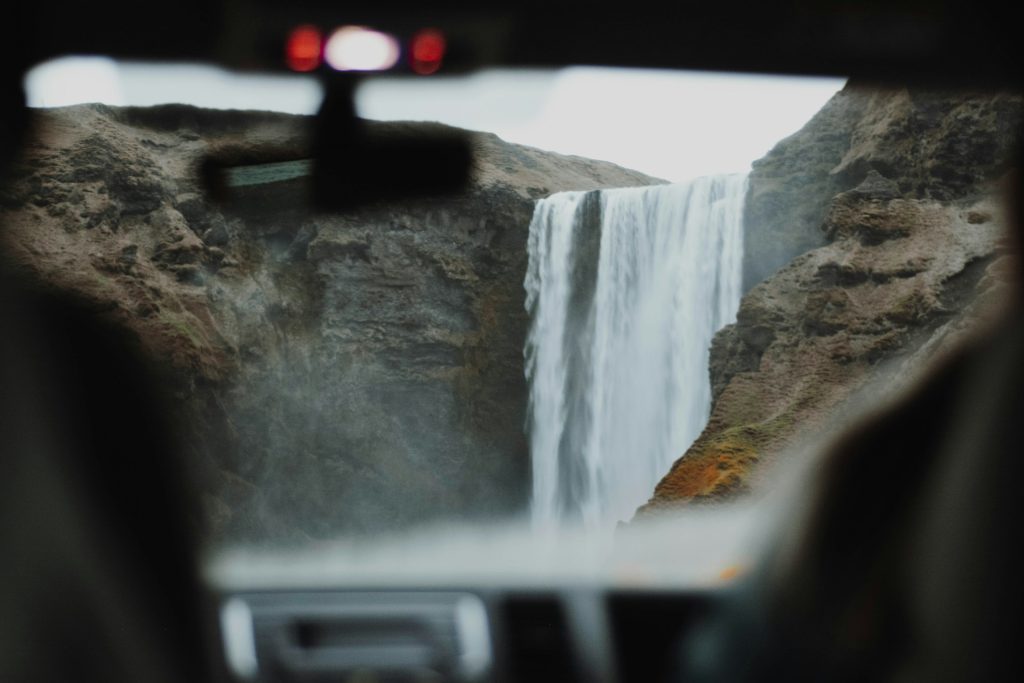
Best Time to Visit Iceland If you Want Less Rain
If your goal is to avoid rainy weather, late spring and early summer are generally your best options.
May and June often offer:
- Lower rainfall
- Longer daylight hours
- Good road conditions
- Fewer crowds than peak summer
That said, Iceland’s weather is unpredictable year-round. Even during the driest months, it’s important to pack waterproof clothing.
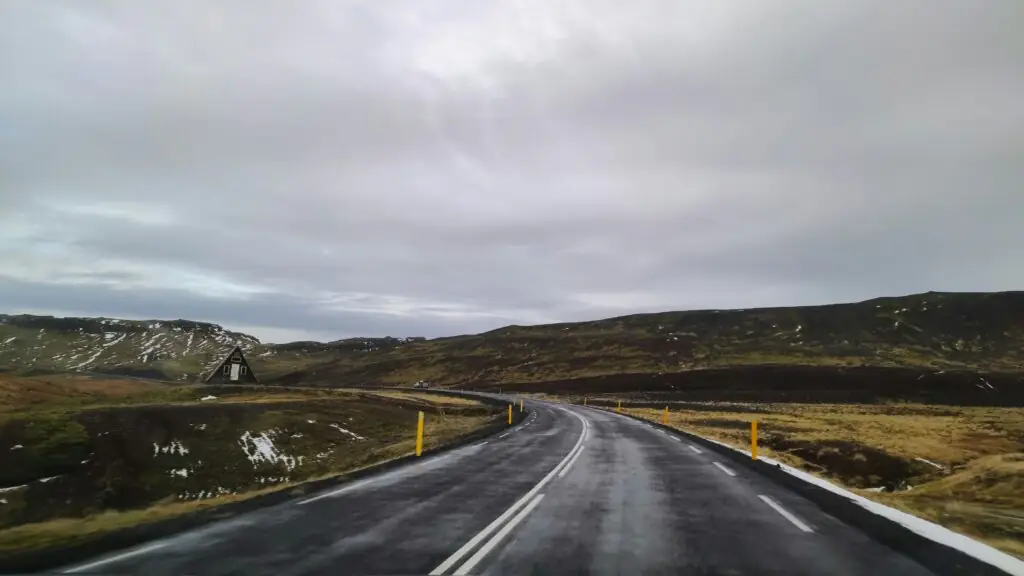
What Can You Do in Iceland on a Rainy Day?
Rain doesn’t have to ruin your trip.
Some of Iceland’s most popular attractions are actually excellent rainy-day activities.
Visit an Ice Cave
Katla Ice Cave is open throughout the year and offers a unique experience regardless of weather conditions.
Relax in a Hot Spring
Iceland is famous for its geothermal bathing culture. Popular options include:
- Blue Lagoon
- Sky Lagoon
- Mývatn Nature Baths
- Local swimming pools
Explore Iceland’s Museums
Great indoor attractions include:
- Perlan
- Lava Centre
- Saga Museum
- National Museum of Iceland
Discover Reykjavík
The capital city offers excellent restaurants, cafés, shops, museums, and cultural attractions that are perfect during wet weather.
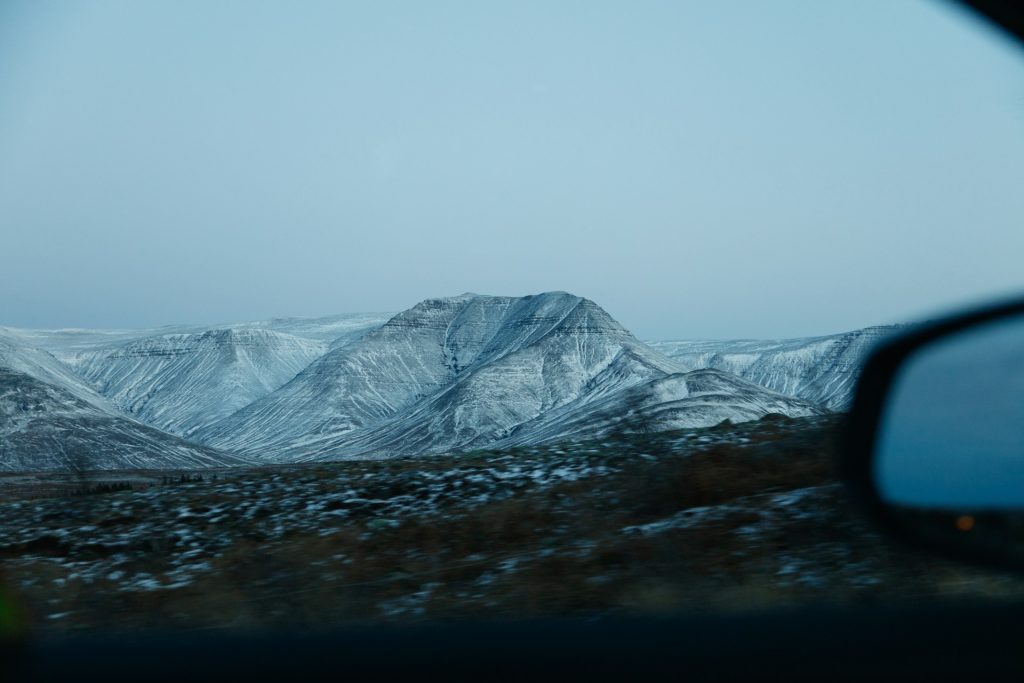
Rainy Season Packing List for Iceland
Packing correctly can make a huge difference to your comfort.
Essential items include:
- Waterproof jacket
- Waterproof trousers
- Waterproof hiking boots
- Warm layers
- Gloves and hat
- Extra socks
- Daypack with rain cover
- Microfiber towel
Many experienced visitors say that waterproof clothing is the most important thing they bring to Iceland.

Choosing the Right Rental Car for Iceland’s Rainy Season
Having the right rental car can make travelling during Iceland’s rainy season much easier.
For travelers sticking to paved roads such as Reykjavík, the Golden Circle, South Coast, and most of the Ring Road during summer, a cheap car rental is often the perfect choice.
Economy vehicles are affordable, fuel-efficient, and ideal for budget-conscious travelers.
For autumn, winter, or trips involving gravel roads, many visitors prefer a 4×4 rental for additional traction and confidence.
Firefly Iceland offers cheap car rental options for every season, from compact city cars to practical SUVs. After arriving at Keflavík International Airport, simply take the shuttle to Firefly’s rental station in Keflavík town and start your Iceland road trip.
Whether you’re planning a short getaway or a full Ring Road adventure, choosing the right rental car can help you travel safely and comfortably.
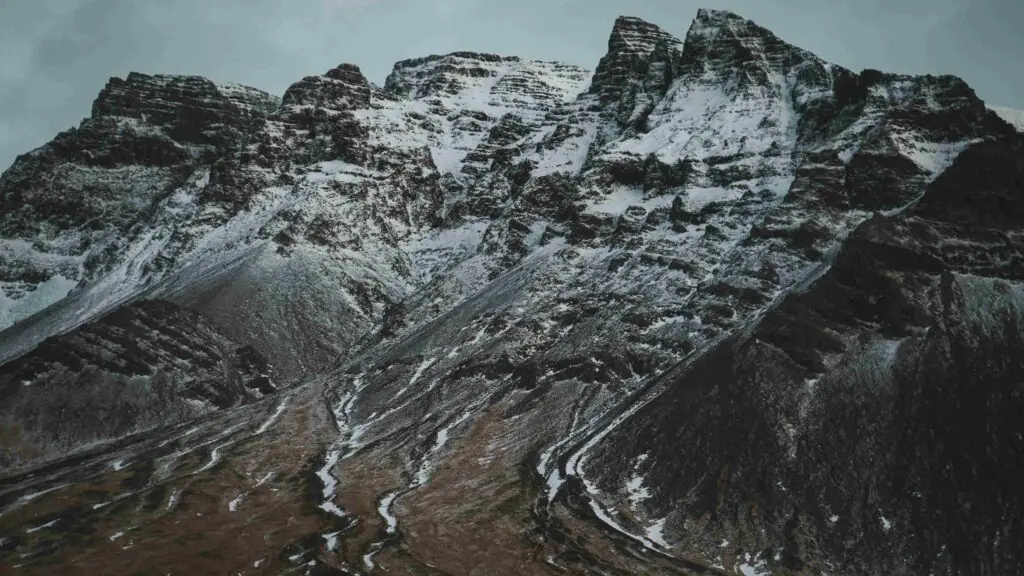
Embrace Iceland’s Ever-Changing Weather
Rain is can simply be a part of travelling in Iceland.
Whether you’re visiting in summer, autumn, winter, or spring, you’ll likely encounter a mix of sunshine, clouds, wind, and rain throughout your trip. The key is to stay flexible, pack properly, and keep an eye on weather forecasts.
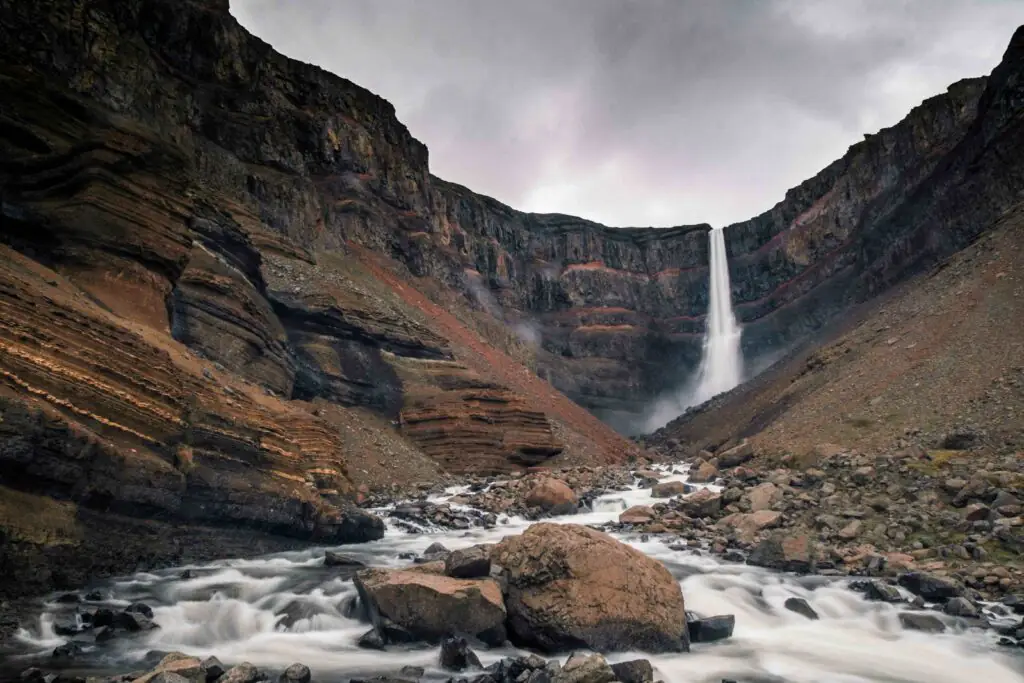
Many travelers discover that Iceland’s dramatic weather actually enhances the experience. Misty mountains, powerful waterfalls, and ever-changing skies create some of the country’s most memorable landscapes.
With waterproof clothing, a sensible itinerary, and a cheap rental car from Firefly Iceland, you’ll be ready to explore Iceland whatever the forecast brings.
Frequently Asked Questions About Iceland’s Rainy Season
- Does Iceland have a rainy season?
Yes. Iceland experiences wetter months, particularly from September to December, although rain can occur throughout the year.
- What is the rainiest month in Iceland?
October and November are often considered the rainiest months, particularly in South Iceland.
- Does it rain every day in Iceland?
No. While rain is common, it does not rain every day. Weather conditions change frequently and many rainy periods are short-lived.
- What is the driest month in Iceland?
May is often considered one of the driest months of the year.
- Can I drive in Iceland when it’s raining?
Yes. Driving in Iceland during rain is generally safe if you adjust your speed, keep a safe distance from other vehicles, and monitor road conditions.
- Is a cheap rental car suitable for Iceland?
Yes. Driving in Iceland during rain is generally safe if you adjust your speed, keep a safe distance from other vehicles, and monitor road conditions.
- Do I need a 4×4 during the rainy season?
Not always. A 4×4 is recommended for winter travel. Highland routes, and certain rural areas, but many visitors travel comfortably in 2WD vehicles.
- Do I need waterproof clothing in Iceland?
Absolutely. Waterproof clothing is highly recommended throughout the year because Iceland’s weather changes quickly
- Can rain affect Ring Road travel?
Heavy rain can occasionally reduce visibility and make driving conditions more challenging, but the Ring Road generally remains open unless severe weather occurs.
- What is the best way to explore Iceland?
A self-drive trip is one of the most popular ways to explore Iceland. Having your own rental car gives you the flexibility to travel at your own pace and adjust plans based on weather conditions.
Ready for Your Iceland Road Trip?
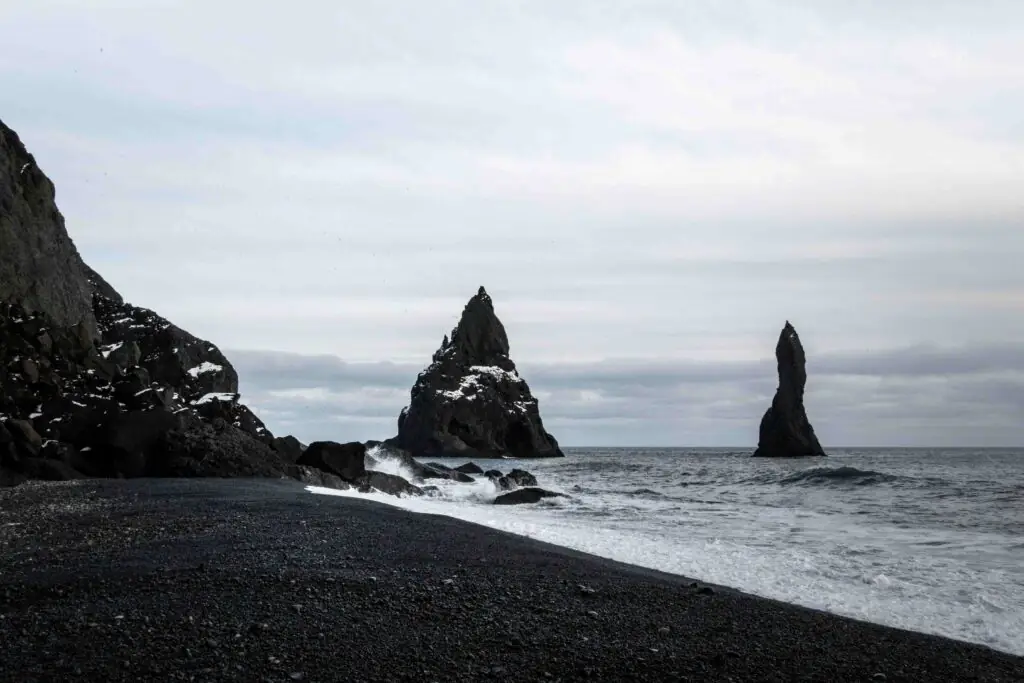
Rain is part of everyday life in Iceland, but it rarely gets in the way of an unforgettable adventure. With the right clothing, a flexible itinerary, and an understanding of local weather conditions, you’ll be prepared to explore everything from waterfalls and black sand beaches to glaciers and geothermal hot springs.
Whether you’re visiting during the wetter autumn months or the brighter days of summer, having your own vehicle gives you the freedom to adapt your plans and make the most of every day. Firefly Iceland offers cheap car rental options for all types of travelers, making it easy to explore Iceland at your own pace without stretching your budget.