
Iceland is often called the Land of the Midnight Sun, and for good reason. During the summer months, the sun barely sets, creating long days and bright nights that allow visitors to explore Iceland’s waterfalls, black sand beaches, volcanoes, glaciers, and geothermal areas well into the evening.
For many travelers, experiencing the midnight sun in Iceland is one of the main reasons to visit during summer. The extended daylight hours make road trips easier, outdoor adventures more flexible, and sightseeing less rushed.
Whether you’re planning a Ring Road adventure, a Golden Circle day trip, or a summer holiday in Reykjavík, this guide covers everything you need to know about the midnight sun in Iceland, including when it occurs, where to see it, and how to make the most of your trip
What is the Midnight Sun?
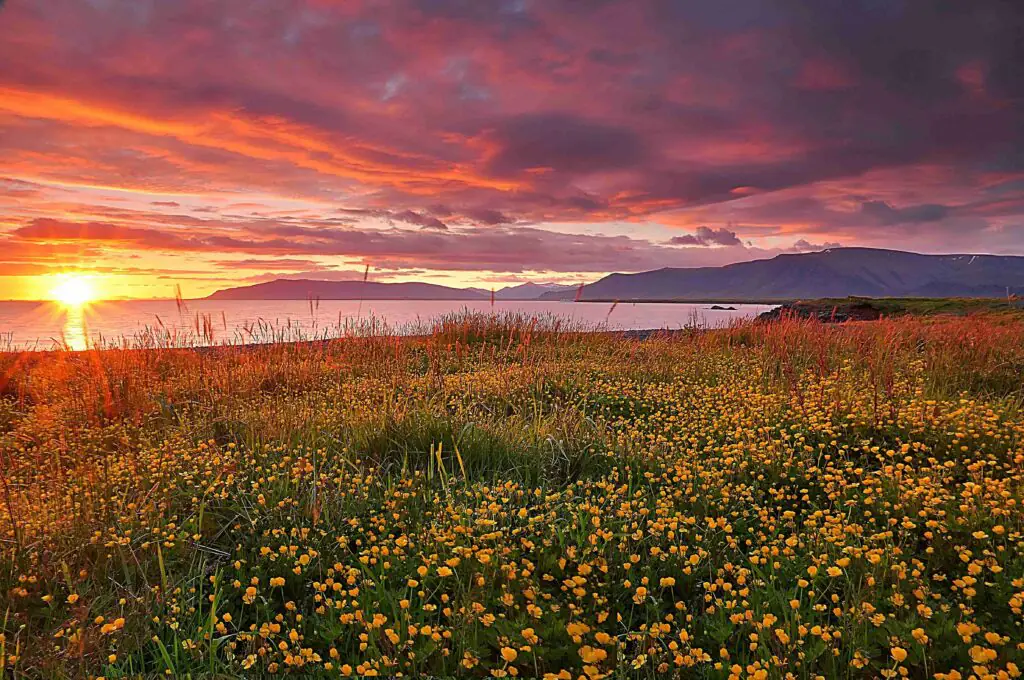
The midnight sun is a natural phenomenon that occurs in regions close to the Arctic Circle, where the sun remains visible for much of the night during summer.
This happens because the Earth is tilted on its axis. During the summer months, the Northern Hemisphere tilts towards the sun, resulting in extremely long days and very short nights.
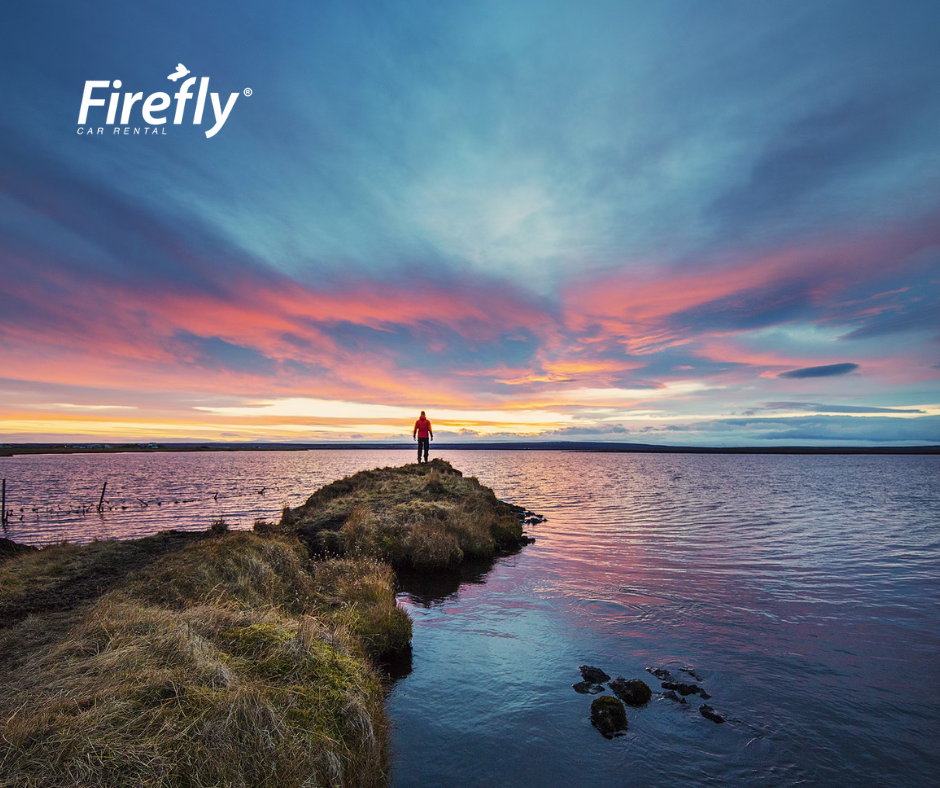
In Iceland, the sun doesn’t completely disappear below the horizon for several weeks around the Summer Solstice. Instead, the sky remains bright with a beautiful golden twilight throughout the night. The effect is particularly noticeable from mid-May until late July, with peak midnight sun conditions occurring around June 21st, the Summer Solstice.
Why Visit Iceland During the Midnight Sun?
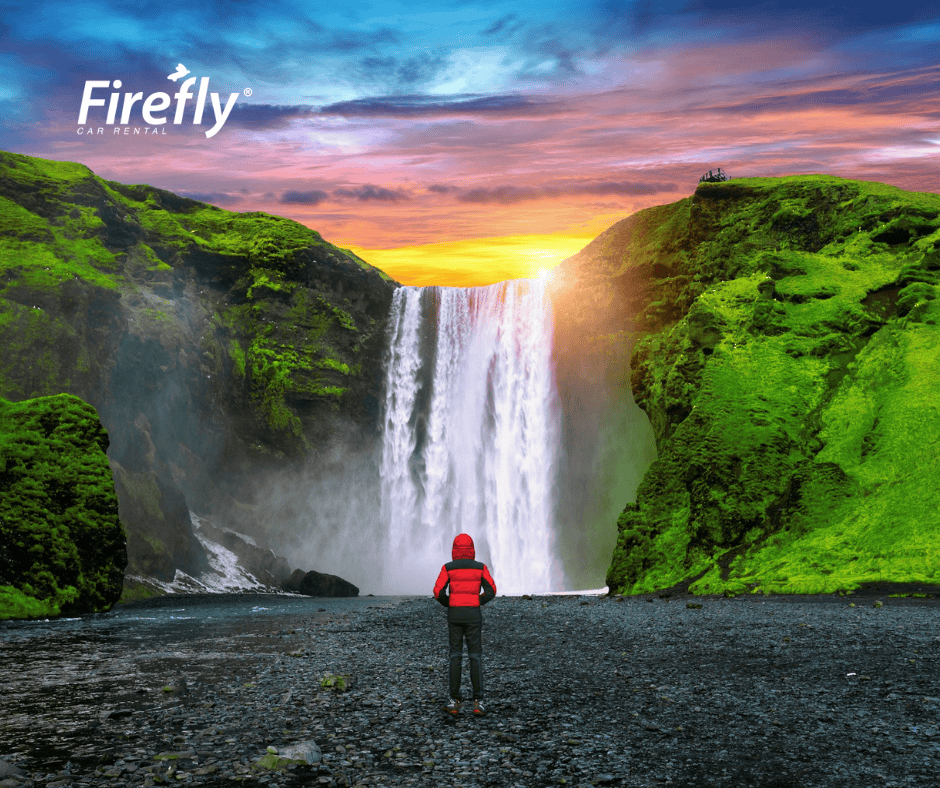
Visiting Iceland during the midnight sun season offers several unique advantages:
- Longer daylight hours for sightseeing
- More flexibility for road trips
- Better conditions for photography
- Easier access to remote attractions
- Extended hiking opportunities
- Fewer crowds during late evening visits
- Pleasant summer temperatures
Many visitors are surprised by how much they can see and do during a single day when daylight lasts for nearly 24 hours.
When Can You See the Midnight Sun in Iceland?
The midnight sun season generally runs from mid-May until late July.
May
By mid-May, daylight hours increase dramatically. The sun sets late in the evening and rises again shortly afterwards.
May is an excellent month for travelers looking to experience long days while avoiding peak summer crowds.

June
June is the best month to see the midnight sun in Iceland.
Around 21st, the Summer Solstice, Reykjavík experiences over 20 hours of daylight, while northern parts of Iceland receive even more.
This is when Iceland’s summer landscapes truly come alive.

July
The midnight sun continues through most of July. While daylight hours gradually begin to decrease, evenings remain exceptionally bright.
July is also one of the warmest months of the year and a popular time for Ring road trips.

How Much Daylight Does Iceland Get?
The amount of daylight depends on where you are in Iceland.
Reykjavík
- Up to 20.5 hours of daylight in June
- Only a short twilight period during the night
Akureyri
- Up to 22.5 hours of daylight
- Stronger midnight sun effect due to its northern location
Grímsey Island
Located directly on the Artic Circle, Grímsey offers one of the most dramatic midnight sun experiences in Iceland.
Best Places to Experience the Midnight Sun in Iceland
Reykjavik
The capital city is one of the easiest places to experience the midnight sun.
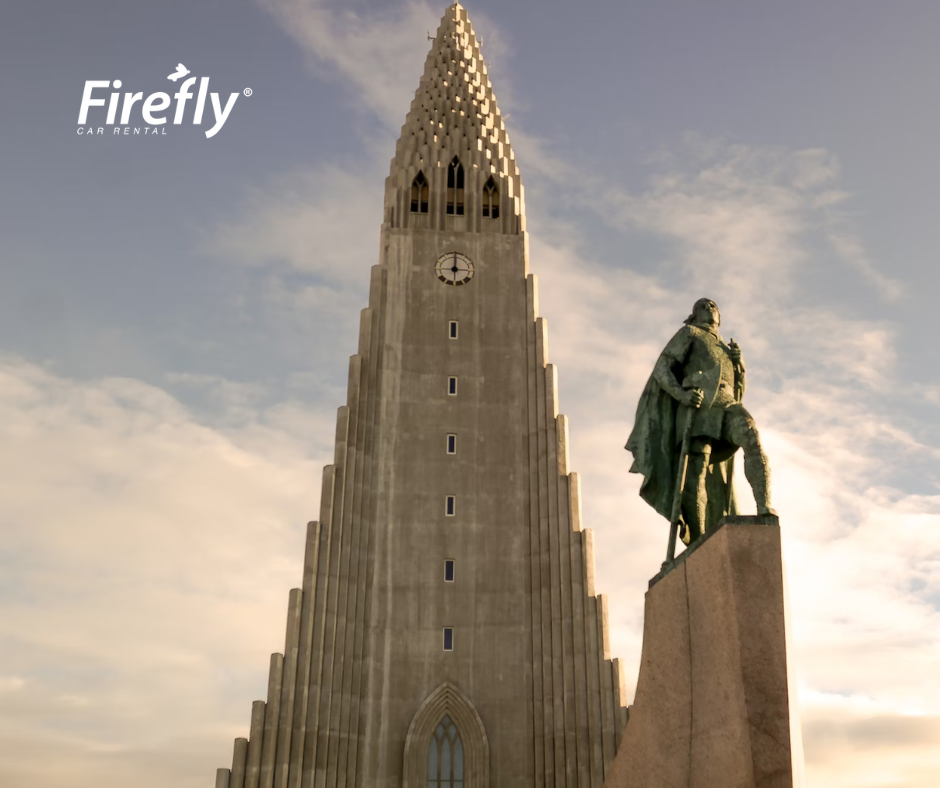
Enjoy an evening walk along the waterfront, visit Hallgrímskirkja Church, explore the Old Harbour, or relax at one of the city’s many outdoor cafés.
Summer events such as the Midnight Sun Run and various music festivals take full advantage of the endless daylight.
The Golden Circle
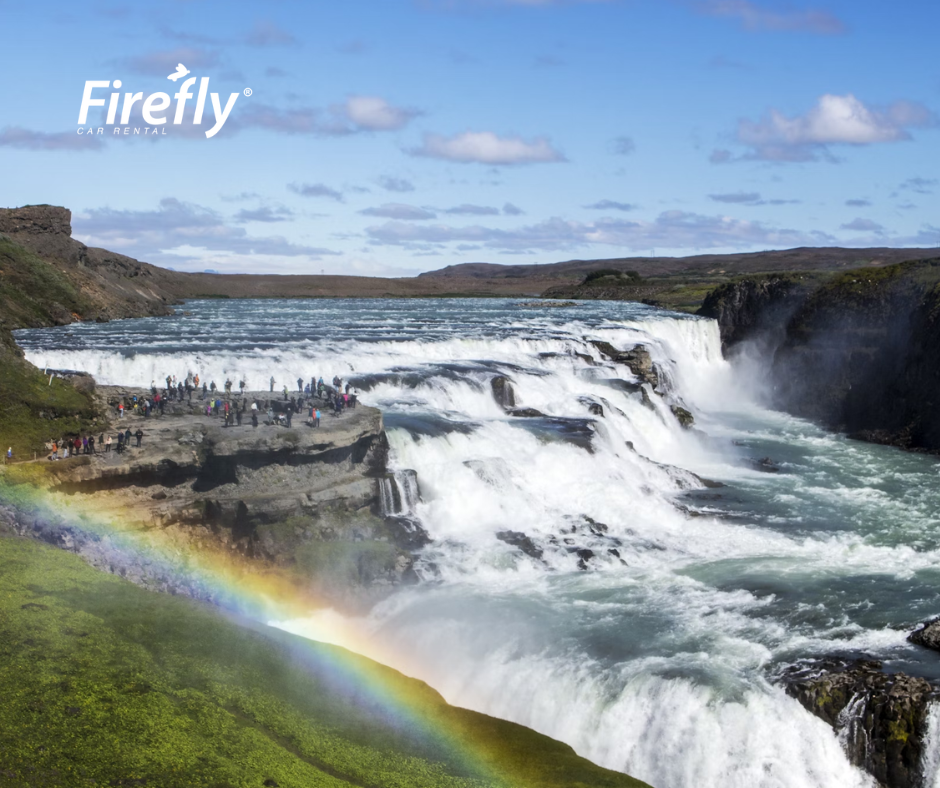
The Golden Circle becomes even more spectacular under the soft golden light of the midnight sun.
Highlights include:
- Þingvellir National Park
- Geysir Geothermal Area
- Gullfoss Waterfall
Visiting later in the evening often means fewer crowds and fantastic photography conditions.
South Coast
The South Coast is one of Iceland’s most popular regions and offers several incredible midnight sun locations.
Must-see attractions include:
- Seljalandsfoss
- Skógafoss
- Reynisfjara Black Sand Beach
- Dyrhólaey
- Sólheimajökull Glacier
- Vík
The golden light during summer evenings creates stunning views across the coastline.
Ring Road
Driving Iceland’s Ring Road during the midnight sun is one of the best ways to experience the country.
Popular stops include:
- Jökulsárlón Glacier Lagoon
- Diamond Beach
- Lake Mývatn
- Dettifoss Waterfall
- Húsavík
- Eastfjords
- Seyðisfjörður
- Vestrahorn Mountain
The extended daylight allows you to travel at your own pace and visit attractions outside of peak hours.
Why Renting a Car is the Best Way to Experience the Midnight Sun
One of the greatest benefits of visiting Iceland during summer is the freedom to explore when you want.
Many of Iceland’s natural attractions remain accessible around the clock, meaning you can visit waterfalls, beaches, and scenic viewpoints long after traditional sightseeing hours.
Having a rental car allows you to:
- Avoid daytime crowds
- Take advantage of late-evening photography opportunities
- Explore more destinations in a single day
- Create a flexible itinerary
- Discover hidden gems along the way
Whether you’re planning a Golden Circle day trip or a complete Ring Road journey, a rental car provides the flexibility needed to make the most of Iceland’s endless summer days.
Best Activities During the Midnight Sun
Hiking
The midnight sun makes hiking especially enjoyable.
Popular summer hiking destinations include:
- Landmannalaugar
- Þórsmörk
- Fimmvörðuháls
- Skaftafell
Whale Watching
Summer is one of the best seasons for whale watching in Iceland.
Popular departure points include:
- Húsavík
- Reykjavík
- Akureyri
Puffin Watching
Puffins arrive in Iceland during the summer months and can be spotted along many coastal cliffs.
Popular locations include:
- Dyrhólaey
- Borgarfjörður Eystri
- Vestmanneyjar (Westman Icelands)
Photography
The soft golden light created by the midnight sun provides ideal conditions for landscapes photography.
Some of the best photography locations include:
- Kirkjufell
- Vestrahorn
- Jökulsárlón
- Seljalandsfoss
- Skógafoss
- Reynisfjara

Driving in Iceland During Summer
Summer is generally considered the easiest season for driving in Iceland.
Road conditions are typically excellent and most roads remain open.
Benefits of summer driving include:
- Extended visibility
- Longer sightseeing days
- Access to Highland routes once F-roads open
- Easier travel between regions
If you plan to visit the Icelandic Highlands, you’ll need a suitable 4×4 vehicle, as F-roads are only open during summer and require a four-wheel-drive vehicle by law.
What Should You Pack?
Even during summer, Iceland’s weather can change quickly.
Recommended items include:
- Waterproof jacket
- Waterproof trousers
- Warm layers
- Hiking shoes
- Sunglasses
- Sleep mask
- Camera
- Reusable water bottle
Many visitors find a sleep mask especially helpful due to the bright nights.

Frequently Asked Questions About the Midnight Sun in Iceland
- Does Iceland have a midnight sun?
Yes. Iceland experiences the midnight sun from mid-May to late July, with the strongest effect occurring around the Summer Solstice in June.
- What is the best month to see the midnight sun in Iceland?
June is generally considered the best month, especially around June 21st
- How many hours of daylight does Iceland get in summer?
Reykjavík receives over 20 hours of daylight in June, while northern parts of Iceland receive even more.
- Can you drive at night during the midnight sun?
Yes. Summer driving conditions are excellent, and visibility remains good throughout most of the night.
- Can you see the Northern Lights during the midnight sun?
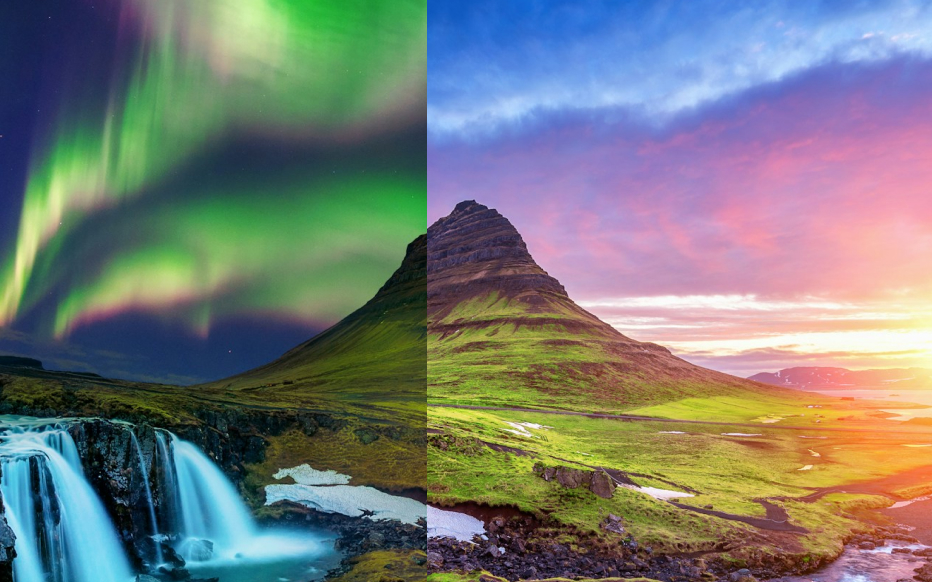
No. The sky remains too bright during summer to see the Northern Lights. Aurora season typically runs from September to March.
- Is Iceland crowded during the midnight sun season?
Summer is Iceland’s busiest tourism season, but visiting attractions later in the evening often means fewer crowds.
- Do I need a 4×4 rental car in summer?
Not necessarily. Most popular attractions can be reached with a standard car. However, a 4×4 is required for F-roads and many Highland destinations.
- Is June or July better for visiting Iceland?
June offers longer daylight hours and stronger midnight sun conditions, while July is slightly warmer and still offers bright evenings.
- What is the best road trip during the midnight sun?
The Ring Road is widely considered the best Iceland summer road trip because it showcases waterfall, glaciers, volcanoes, black sand beaches, fjords, and geothermal areas.
- Why is Iceland called the Land of the Midnight Sun?
Because during summer, the sun barely sets and the sky remains bright throughout the night, creating the unique midnight sun phenomenon.
Conclusion
The midnight sun is one of Iceland’s most remarkable natural phenomena. From late night waterfall visits and scenic drives to hiking adventures and photography opportunities, the endless daylight transforms how visitors experience the country.
Whether you’re exploring Reykjavík, driving the Ring Road, visiting the Golden Circle, or discovering Iceland’s remote landscapes, the midnight sun gives you more time to experience everything this incredible destination has to offer.
Book your rental car with Firefly Iceland and start planning your Iceland summer road trip today.