From black sand beaches and glacier hikes to volcanic landscapes and city streets, Iceland offers some of the world’s most diverse terrain. Choosing the right shoes for Iceland can make the difference between an unforgettable adventure and an uncomfortable trip.
Whether you’re visiting during the Midnight Sun of summer or hoping to see the Northern Lights in winter, this guide explains exactly what shoes to wear in Iceland, what features to look for, and what footwear works best for different activities.
If you’re planning a self-drive holiday, the right footwear is just as important as choosing the right rental car.
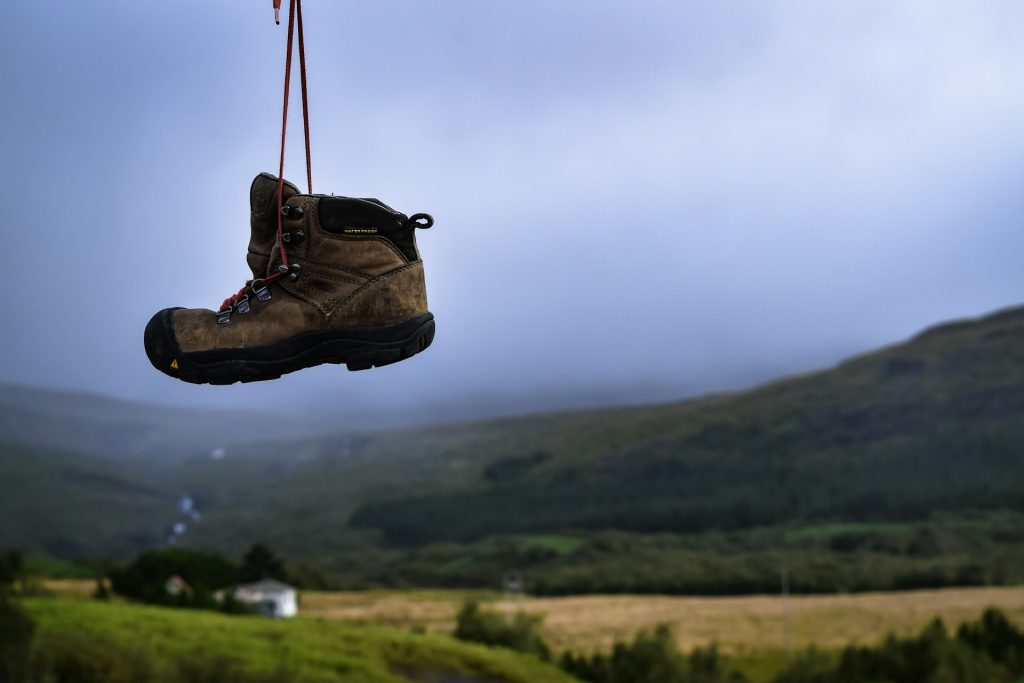
The Best Shoes for Iceland in Short
If you only pack one pair of shoes, make it:
- Waterproof hiking boots
- Good ankle support
- Excellent grip and traction
- Comfortable enough for long walks
- Suitable for changing weather
A quality pair of waterproof hiking boots will comfortably take you from waterfalls and lava fields to glacier viewpoints, black sand beaches, and national parks throughout the year.
Depending on your itinerary and season, you may also want to bring:
- Lightweight walking shoes or trail runners
- Winter boots (November to March)
- Sandals or flip-flops for geothermal pools
- Comfortable shoes for Reykjavík evenings
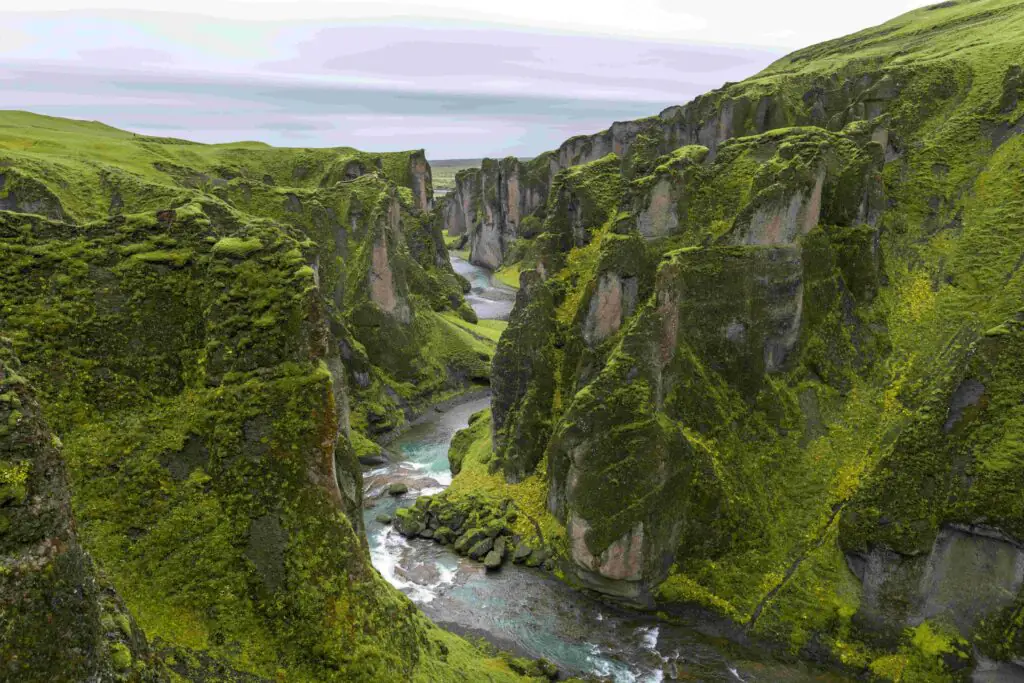
Why Your Choice of Shoes Matters in Iceland
Iceland is unlike many destinations.
You may experience:
- Rain
- Sunshine
- Strong wind
- Snow
- Mud
- Ice
…all within the same day.
Even if you’re only driving Iceland’s Ring Road, you’ll constantly be getting out to explore waterfalls, viewpoints, beaches, lava fields, geothermal areas, and hiking trails.
That means your shoes need to cope with multiple environments.
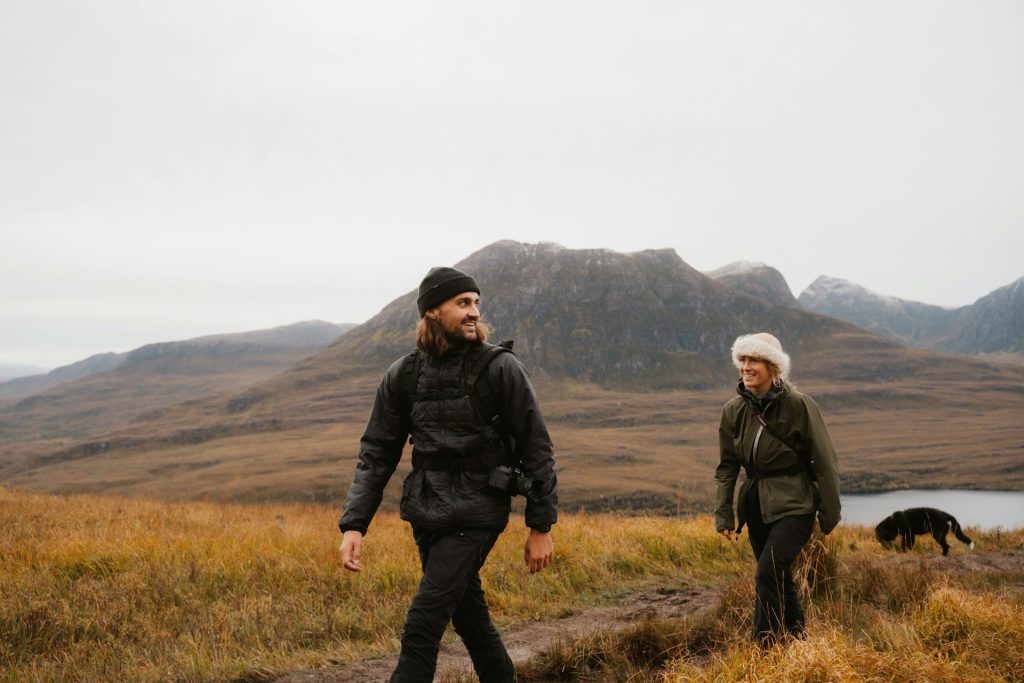
Understanding Iceland’s Weather
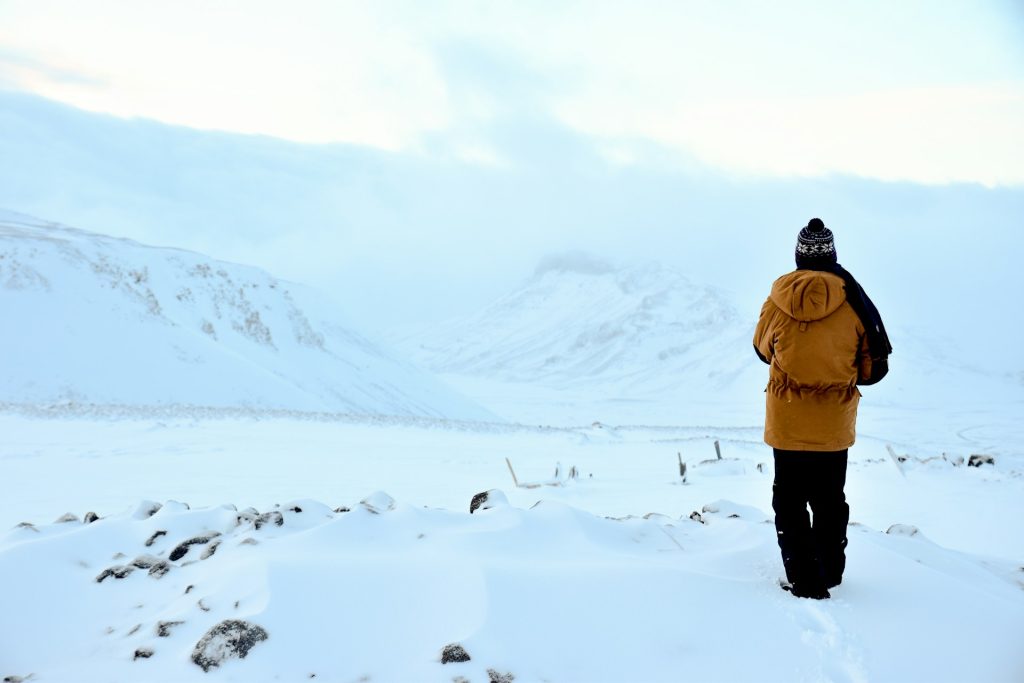
Winter (November-March)
Winter brings:
- Snow
- Ice
- Strong winds
- Freezing temperatures
- Limited daylight
The best shoes for Iceland in winter are insulated waterproof boots with deep tread and good ankle support.
Look for:
- Waterproof membrance
- Thermal insulation
- Thick soles
- Excellent grip
Adding wool socks will dramatically improve comfort.
Spring (April-May)
Spring is one of Iceland’s wettest seasons.
Expect:
- Rain
- Melting snow
- Muddy trails
- Wind
Waterproof hiking boots are ideal, especially if you’re exploring waterfalls or hiking.
Summer (June-August)
Summer temperatures generally range between 10°C and 18°C, although warmer days occasionally occur.
Despite the milder weather, Iceland still experiences:
- Rain showers
- Wind
- Wet hiking trails
- Spray from waterfalls
Lightweight waterproof hiking shoes or hiking boots remain the best choice.
Many visitors make the mistake of packing only trainers, only to discover soaked after their first waterfall stop.
Autumn (September-October)
Autumn offers beautiful colors but unpredictable weather.
You’ll likely encounter:
- Rain
- Frost
- Wind
- Slippery paths
Waterproof hiking boots continue to be the safest option.
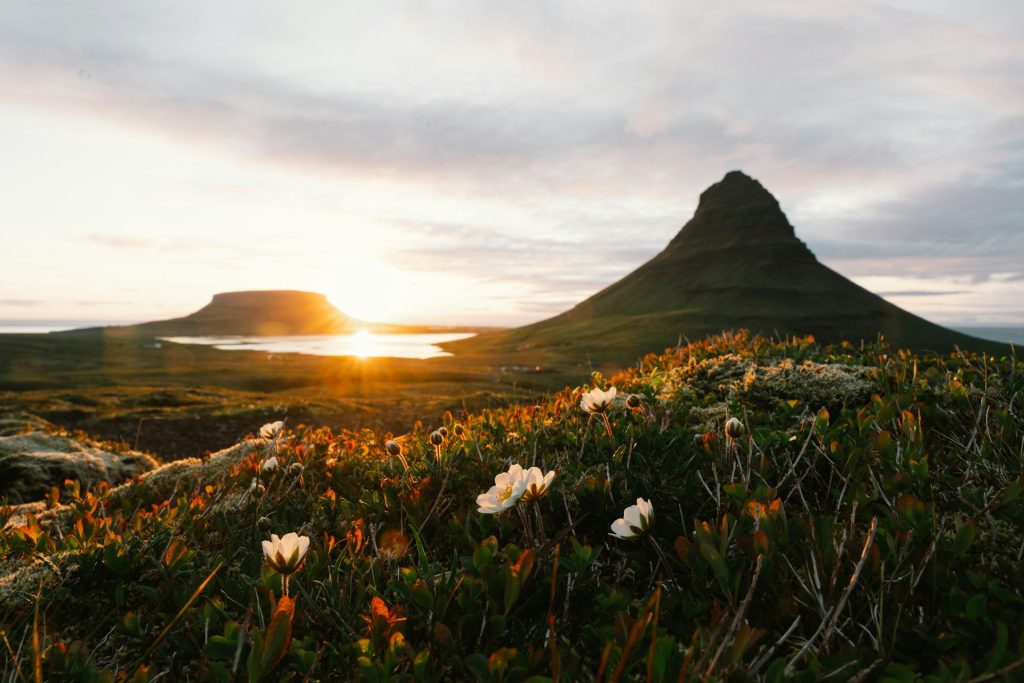
Iceland’s Terrain: More Than Just Hiking Trails
One of the biggest surprises for visitors is how Iceland’s landscapes are.
During one road trip you could explore:
- Black sand beaches
- Lava fields
- Glacier lagoons
- Moss-covered lava
- Waterfalls
- Ice caves (winter)
- Gravel paths
- Volcanic craters
- Coastal cliffs
- Geothermal areas
- City streets
Good footwear helps you stay comfortable across all of them.
Essential Features Your Iceland Shoes Should Have
With all this in mind, you’ll want to look for a few essential shoe features for your trip to Iceland.
1. Waterproof Materials
Waterproof shoes are arguably the single most important item you’ll pack.
Popular materials include:
- Gore-Tex
- Waterproof leather
- Synthetic waterproof fabrics
You’ll thank yourself after visiting places like:
- Seljalandsfoss
- Skógafoss
- Gljúfrabúi
- Dettifoss
These locations can leave ordinary trainers completely soaked.
2. Excellent Grip
Many Iceland attractions have:
- Wet rocks
- Mud
- Ice
- Gravel
- Wooden boardwalks
Deep tread provides far better stability than flat trainers.
Look for hiking boots designed for rough terrain.
3. Ankle Support
Many walking paths are uneven.
Good ankle support helps reduce fatigue and lowers the risk of twisting an ankle while walking across lava fields or rocky trails.
4. Comfort
You’ll probably walk for more than expected.
Even on a self-drive holiday you’ll regularly walk:
- Around waterfalls
- Along beaches
- To viewpoints
- Around towns
- On hiking trains
Choose shoes you’ve already worn before traveling.
Never beak in brand-new hiking boots in Iceland.
5. Warmth (Winter Only)
If visiting between November and March, insulated boots are highly recommended.
Combine them with:
- Merino wool socks
- Thermal layers
- Waterproof trousers
Best Shoes for Different Activities in Iceland
Exploring Reykjavik
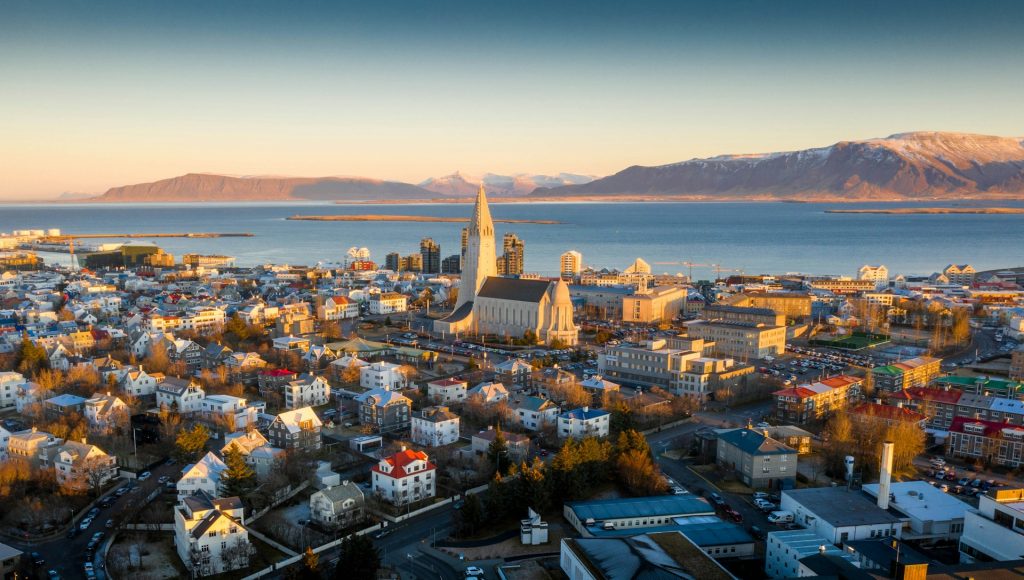
For sightseeing around Reykjavík and Akureyri, comfortable walking shoes work perfectly.
In summer:
- Trainers
- Trail runners
- Walking shoes
In winter:
- Waterproof boots
- Winter shoes with grip
Remember that even city pavements can become icy.
Waterfall Visits
Many of Iceland’s waterfalls involve wet paths.
Best choice:
- Waterproof hiking boots
- Good grip
- Waterproof trousers if visiting larger waterfalls
Popular waterfall walks include
- Seljalandsfoss
- Skógafoss
- Glymur
- Dynjandi
Glacier Tours
Most glacier tours require:
- Sturdy hiking boots
- Closed-toe footwear
- Good ankle support
Tour operators normally provide crampons.
Avoid
- Trainers
- Soft walking shoes
- Fashion boots
Hiking
Weather you’re hiking:
- Reykjadalur
- Landmannalaugar
- Fimmvörðuháls
- Glymur
- Múlagljúfur
…waterproof hiking boots remain the safest choice.
Black Sand Beaches
Places like Reynisfjara and Diamond Beach often have.
- Loose stones
- Wet sand
- Strong winds
Waterproof hiking shoes offer more stability than lightweight trainers.
Hot Springs
Don’t forget to pack:
- Flip-flops
- Sandals
These are perfect for:
- Blue Lagoon
- Sky Lagoon
- Secret Lagoon
- Forest Lagoon
- Public swimming pools
What Shoes Should You Avoid?
Many visitors regret brining:
- Canvas trainers
- Fashion sneakers
- High heels
- Thin-soled shoes
- Shoes without grip
They quickly become uncomfortable when walking on wet rocks or gravel.
Packing List: Footwear for Iceland
A good footwear packing list includes:
- Waterproof hiking boots
- Comfortable walking shoes
- Flip-flops
- Merino wool hiking socks
- Spare socks
- Gaiters (optional for winter)
Frequently Asked Questions
- What shoes should I wear in Iceland?
Waterproof hiking boots with good grip and ankle support are the best option for most visitors. They work well for waterfalls, hiking trails, volcanic areas, and sightseeing.
- Are hiking boots necessary in Iceland?
If you plan to visit waterfalls, hike, or explore natural attractions, hiking boots are highly recommended. For city-only trips during summer, comfortable walking shoes may be enough.
- Can I wear trainers in Iceland?
Yes, especially during summer in Reykjavík and other towns. However, trainers are not ideal for wet hiking trails, waterfalls, or winter conditions because they usually lack waterproofing and traction.
- Do I need waterproof shoes in Iceland?
Yes. Waterproof footwear is one of the most important items to pack, regardless if the season. Rain, wet, trails, river spray, and changing weather are common throughout the year.
- What shoes are best for Iceland in winter?
Insulated waterproof winter boots with excellent grip are the best choice between November and March. Pair them with warm wool socks for extra comfort.
- Can I wear hiking sandals in Iceland?
Hiking sandals may be suitable for short walks on warm summer days, but they are not recommended for waterfalls, glaciers, volcanic terrain, or most hiking trails.
- What shoes should I wear to the Blue Lagoon?
Bring flip-flips or sandals for walking around the changing facilities and pool areas. Comfortable waterproof shoes are ideal for traveling to and from the lagoon.

Conclusion
Choosing the best shoes for Iceland doesn’t have to be complicated.
For most travelers, a pair of waterproof hiking boots with good grip and ankle support is the best all-round choice, regardless of the season. Add lightweight walking shoes for city sightseeing and sandals for Iceland’s famous geothermal pools, and you’ll be prepared for almost every adventure.
The weather in Iceland changes quickly, and the landscapes are incredibly varied, so investing in the right footwear will keep you comfortable, dry, and safe throughout your trip.
Once your packing is complete, all that’s left is planning your route and enjoying everything Iceland has to offer, from glaciers and waterfalls to volcanoes, black sand beaches, and breathtaking road trips.