
Despite its location near the Arctic Circle, Iceland might not be as cold as travelers expect. The island’s climate is shaped by the North Atlantic Ocean and the Gulf Stream, which help keep temperatures milder than other places at the same latitude
This guide explains Iceland’s weather, average temperatures, seasonal differences, and what travelers should expect when planning a trip to Iceland.
Whether you are visiting during the midnight sun of summer or the northern lights season in winter, understanding the Iceland climate and weather patterns will help you prepare for a comfortable and memorable road trip.
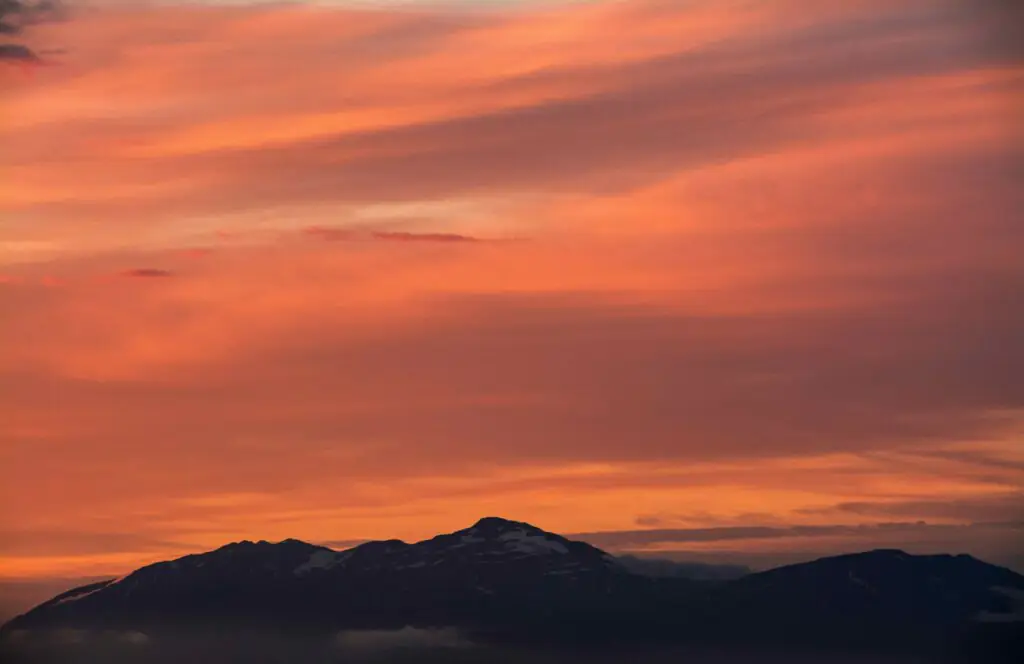
A Quick Overview of Iceland’s Climate
When people hear the name Iceland, they often imagine snow-covered landscapes, glaciers, and freezing conditions all year round. While glaciers and volcanoes are major parts of Iceland’s landscape, the climate is actually much milder than most visitors expect.
The average temperature in Iceland typically ranges from:
- Around 30–35°F (-1 to 2°C) in the coldest winter months
- Around 55–60°F (13–16°C) during the warmest summer days
Because of the warming influence of the Gulf Stream, Iceland’s coastal regions rarely experience extreme cold compared to other Arctic locations.
Visitors are often surprised that Iceland is not covered in snow year round. By July, most snow has melted across the lowlands and the landscape turns green.
Overall seasonal patterns are fairly consistent:
- Coldest months: November to March
- Warmest months: June to August
- Spring transition: April and May
- Autumn cooling: September and October
Even though temperatures are relatively mild, wind and rapidly changing weather conditions can make Iceland feel colder than the actual temperature.
Icelandic Weather Changes Quickly
One of the most famous facts about Iceland is how quickly the weather can change.
Locals often repeat two well-known sayings:
“There is no such thing as bad weather, only bad clothing.”
“If you do not like the weather, wait five minutes.”
These sayings reflect the reality of Iceland’s unpredictable weather patterns.
During a single day in Iceland you might experience:
- Sunshine
- Strong winds
- Rain showers
- Snow in colder months
Travelers often see clear blue skies one moment and sudden rain the next.
This is why layered clothing and waterproof gear are essential for any Iceland trip, no matter the season.
Is North Iceland Colder Than South Iceland?
In general, North Iceland is slightly colder than South Iceland, although the difference is not dramatic. The southern part of the country benefits more from the warming influence of the Gulf Stream, while northern regions are closer to the Arctic Circle.
For example, the northern city of Akureyri sits only about 100 km from the Arctic Circle. However, the temperature difference between north and south Iceland is usually only a few degrees. What varies more significantly is snowfall and winter conditions, which can be heavier in northern and inland regions.
The Coldest Months in Iceland
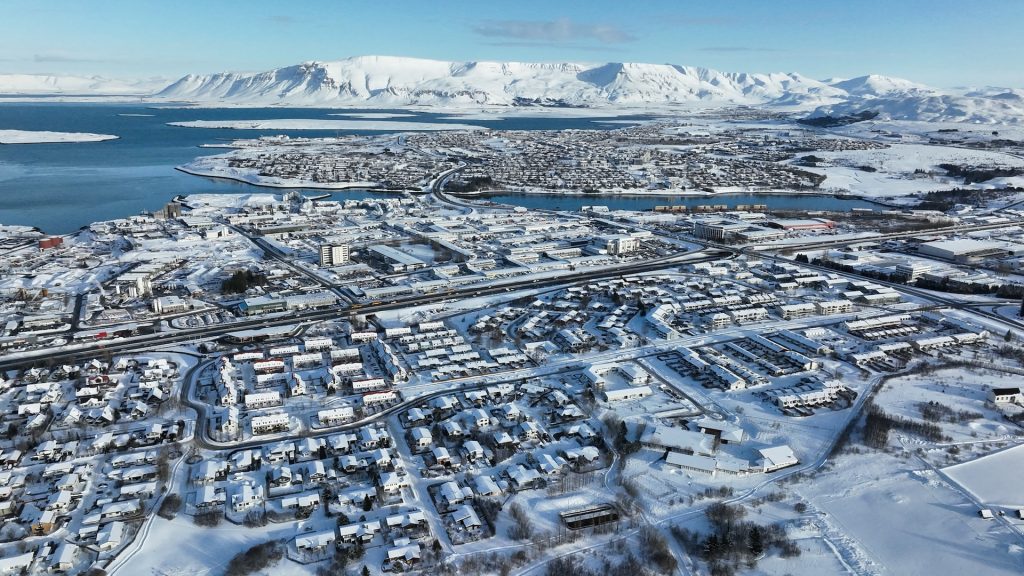
Winter in Iceland runs roughly from November through March.
Average temperatures in Reykjavík during the coldest months typically range between:
- 30–38°F (-1 to 3°C) during the day
- Slightly below freezing at night
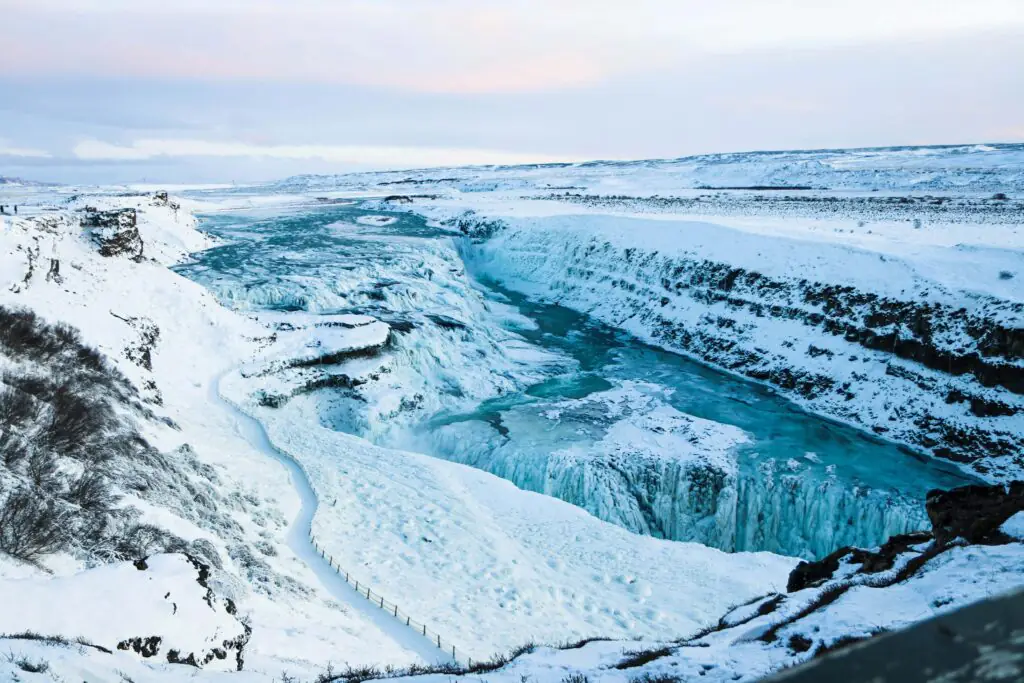
Snow ice, and strong winds are common during this time of year.
Despite the cold, winter is a magical time to visit Iceland. Travelers come to see:
- The northern lights (aurora borealis)
- Frozen waterfalls
- Snow-covered lava fields
- Natural ice caves inside glaciers
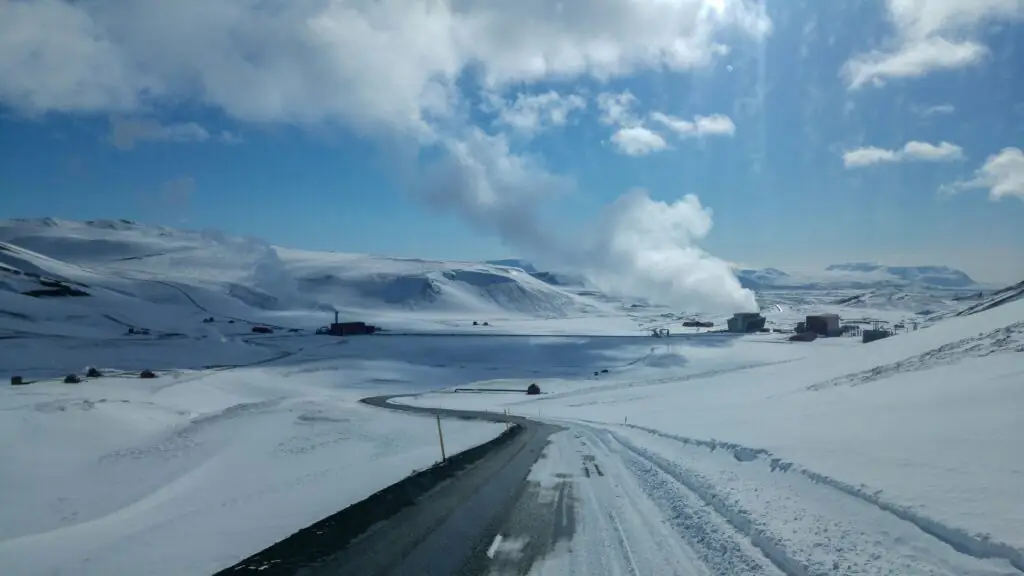
Winter driving conditions can be challenging. Snowstorms, icy roads, and limited daylight require extra caution.
If you plan a winter road trip, it is highly recommended to rent a 4×4 vehicle in Iceland for better traction and safety.
The Warmest Months in Iceland
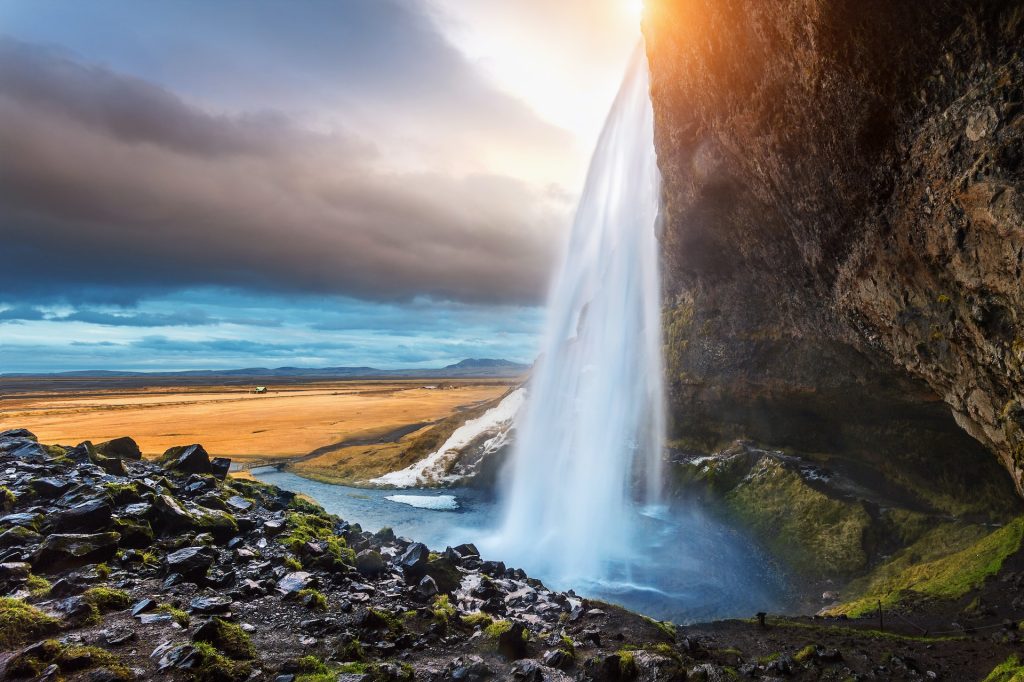
The warmest time of year in Iceland is June through August.
Summer temperatures typically range between:
- 50–60°F (10–16°C) during the day
- Around 45–50°F (7–10°C) at night
Although snow is extremely rare during summer, rain showers remain common.
Summer is the most popular time to visit Iceland because travelers can enjoy:
- Long daylight hours
- The famous midnight sun
- Easier road conditions
- Access to highland roads and hiking trails
These months also have some of the lowest precipitation levels of the year, averaging around two inches of rain per month.
How to Prepare for Iceland’s Weather
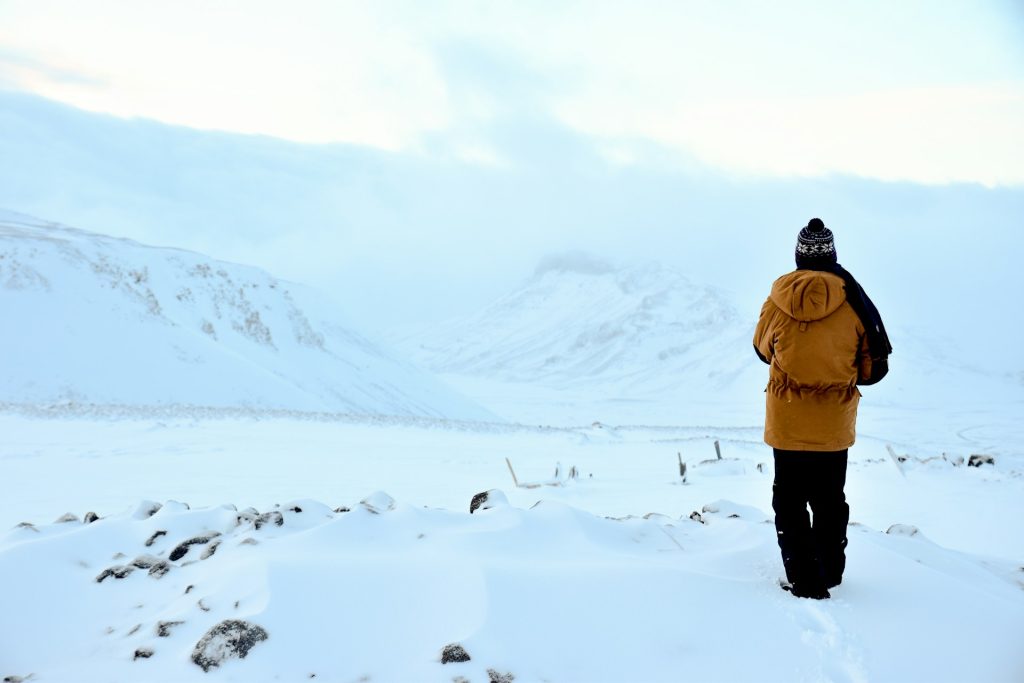
No matter what time of year you visit Iceland, packing the right clothing is essential.
The best approach is layering.
Recommended clothing includes:
- Waterproof jacket
- Warm mid layer such as fleece or wool
- Thermal base layers
- Hat, gloves, and scarf
- Waterproof hiking boots
Even in summer, temperatures can drop quickly and rain showers are frequent. Many travelers also underestimate the wind, which can make temperatures feel much colder. Planning ahead is also important. During peak travel season it is wise to book accommodation and rental cars in advance. Summer is the busiest time for tourism in Iceland, while winter can see high demand for 4×4 rental vehicles due to driving conditions.
Experiencing Iceland Across Seasons
Iceland offers completely different travel experiences depending on the season.
Winter in Iceland and the Northern Lights
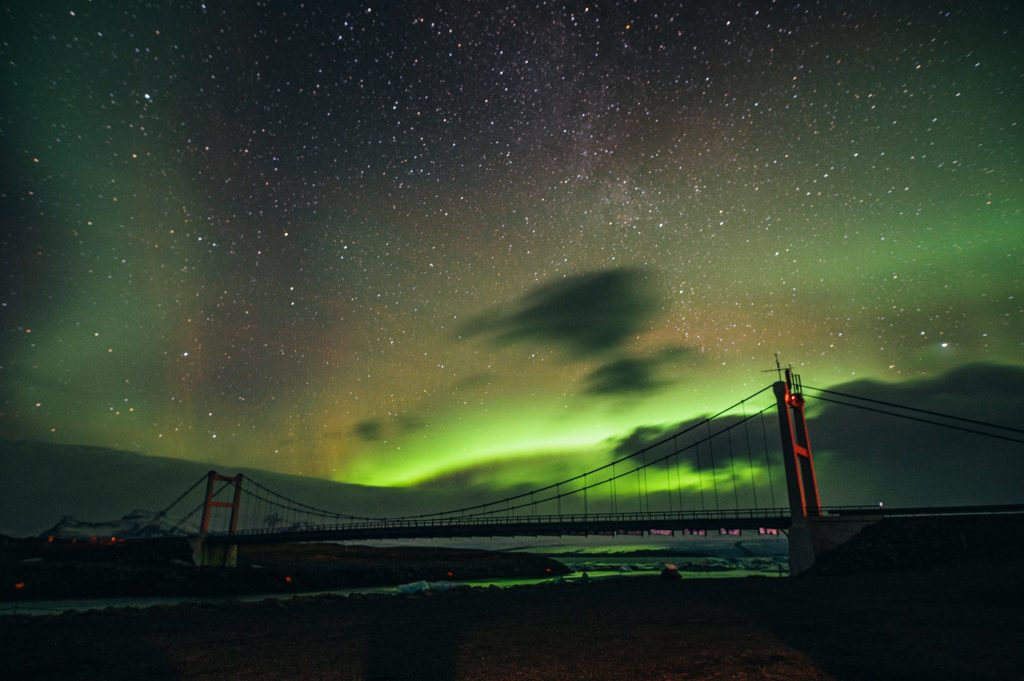
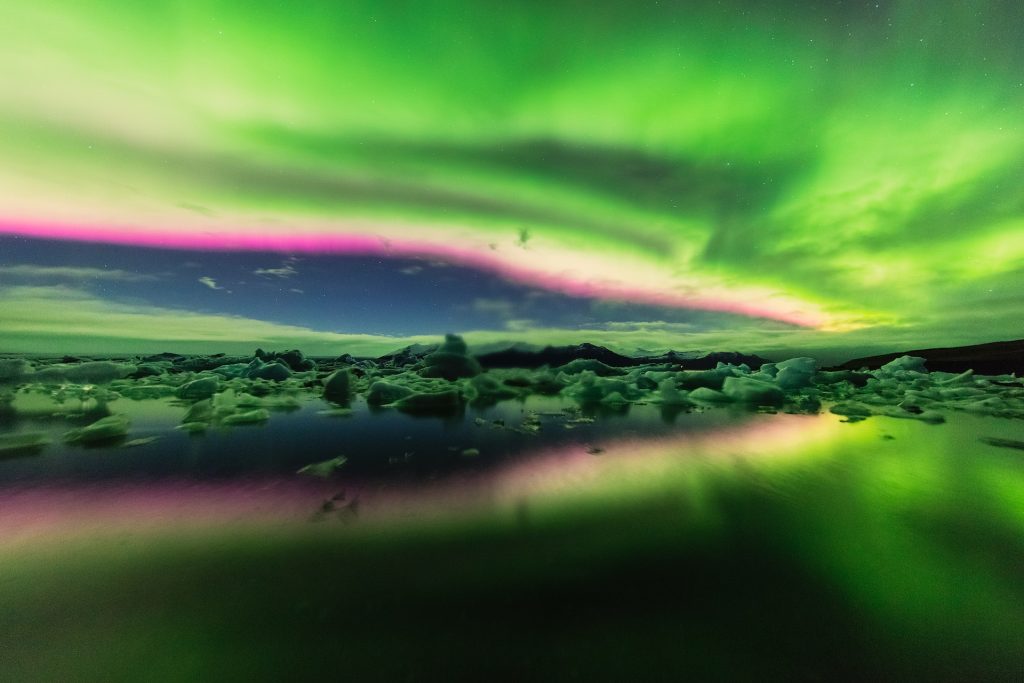
Winter transforms Iceland into a dramatic landscape of snow, ice, and dark skies. One of the biggest highlights of winter travel is seeing the northern lights. These colorful aurora displays appear when solar particles interact with Earth’s magnetic field, creating glowing waves of green, purple, and pink light across the sky.
The best months to see the aurora in Iceland are:
- September
- October
- November
- December
- January
- Februrary
- March
Many travelers visit places like Þingvellir National Park or remote countryside locations to escape city lights and improve viewing conditions.
Winter is also the season for Ice cave tours in glaciers such as those within Vatnajökull National Park.
Summer and the Midnight Sun
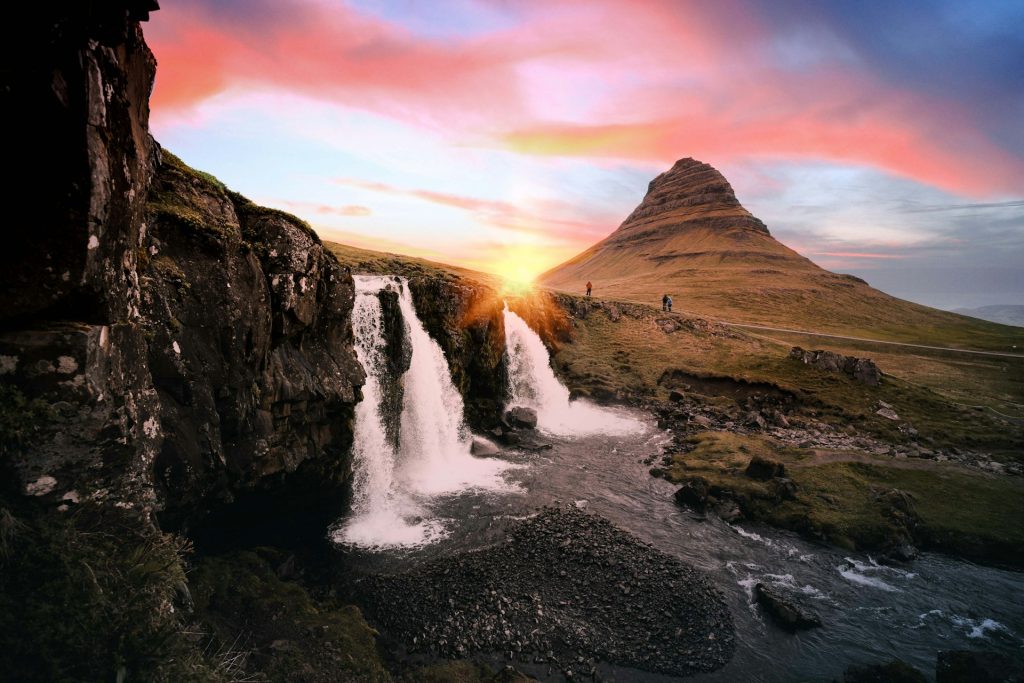
Summer brings a completely different atmosphere to Iceland. From late May through August, Iceland experiences the midnight sun, when daylight lasts almost 24 hours.
This extended daylight allows travelers to explore more destinations in a single day, making it perfect for road trips around the island.
Popular summer activities include:
- Hiking
- Visiting waterfalls
- Driving the Ring Road (Route 1)
- Whale watching
- Exploring black sand beaches
- Soaking in geothermal hot springs
With long days and mild weather, summer is the most popular season for visiting Iceland.
When is the Best Time to Visit Iceland?
The best time to visit Iceland depends entirely on what to experience.
Choose winter (November to March) if you want to:
- See the northern lights
- Experience snowy landscapes
- Visit ice caves
- Enjoy fewer tourists
Choose summer (June to August) if you want to:
- Experience the midnight sun
- Drive the full Ring Road
- Hike in Iceland’s highlands
- Enjoy easier driving conditions
Spring and autumn can also be excellent travel periods with fewer crowds and unique seasonal scenery.

Is Iceland Cold?
Iceland is colder than many countries, but it is not as freezing as the name might suggest. Thanks to the warming effect of the North Atlantic Ocean and Gulf Stream, Iceland’s climate remains relatively mild compared to other Arctic regions.
With proper clothing and preparation, travelers can comfortably explore Iceland in every season. The best way to see the country’s waterfalls, glaciers, volcanoes, and black sand beaches is by taking a self-drive road trip across Iceland.
Renting a car with Firefly Iceland Car Rental allows you to travel at your own pace, stop at scenic viewpoints, and experience Iceland’s landscape beyond the main tourist routes.
FAQ About Iceland Weather and Climate
- Is Iceland very cold?
Iceland is colder than most European countries but not as extreme as many people expect. Winter temperatures usually range between 30°F and 38°F (-1°C to 3°C) in coastal areas.
- What is the average temperature in Iceland?
The average temperature in Iceland ranges from about 30°F in winter to around 60°F in summer, depending on the region and weather conditions.
- When is the best time to visit Iceland?
The best time to visit Iceland depends on your travel goals. Summer is ideal for road trips and hiking, while winter is best for seeing the northern lights and ice caves.
- Does Iceland have snow all year?
No. Snow is common in winter but usually melts in most lowland areas by late spring. During summer, most of Iceland is green and snow-free except for glaciers and mountain peaks.
- Do you need a 4×4 vehicle in Iceland?
A 4×4 rental car in Iceland is recommended in winter and for driving mountain roads or highland routes. For summer travel on the Ring Road, a regular 2WD car is usually sufficient.
- What is the cheapest car rental in Iceland?
The cheapest car rental in Iceland depends on the season and vehicle type, but budget companies like Firefly Iceland Car Rental often offer some of the lowest rental prices for travelers.

Conclusion
Iceland’s weather may be unpredictable, but that is part of what makes traveling here so unique. From snowy winter landscapes and northern lights display to the long daylight hours of the midnight sun, every season offers a different way to experience the country.
While the average temperature in Iceland may be cooler than many destinations, the climate is much milder than most visitors expect. With the right clothing, flexible travel plans, and an understanding of Iceland’s changing weather conditions, you can enjoy an incredible trip at any time of year.
One of the best ways to explore Iceland’s waterfalls, volcanoes, glaciers, and black sand beaches is by taking a self-drive road trip. Renting a car allows you to travel at your own pace, stop whenever you see a beautiful view, and reach destinations that tour buses cannot.
With Firefly Iceland Car Rental, you can find affordable vehicles perfect for exploring the country in every season. Whether you are planning a summer road trip along the Ring Road or a winter adventure searching for the northern lights, having your own rental car gives you the freedom to experience Iceland your way.