Iceland isn’t called the Land of Fire and Ice for nothing. This volcanic island is home to around 130 volcanoes, many of which have shaped the country’s dramatic landscapes over thousands of years.
From glacier-covered giants to steaming geothermal craters, visiting volcanoes in Iceland is one of the most unique experiences you can have on a road trip.
If you’re planning a self-drive trip, this guide covers the best volcanoes in Iceland you can actually visit, how to get there by car, and important travel tips.
Is it dangerous to visit Iceland’s volcanoes?
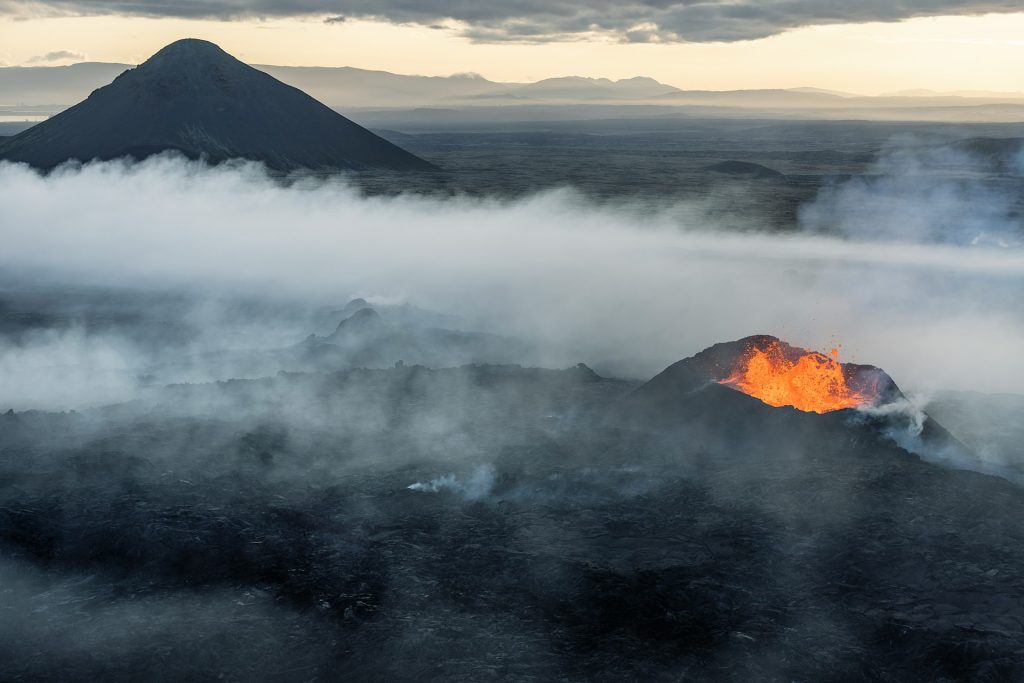
Visiting Iceland’s volcanoes can be dangerous, although it depends on whether they’re active or inactive. Newly erupting volcanoes can emit toxic fumes, and it can be difficult to predict where lava flows may spread.
If you want to ensure your safety when seeking out Iceland’s volcanoes, make sure to visit some of the island’s dormant volcanoes, like Thrihnukagigur. There’s no risk of these volcanoes erupting any time soon.
Many of Iceland’s volcanic eruptions are highly publicized and draw in not only locals but also tourists. Seeing these eruption sights up close and personal isn’t just dangerous, it also puts pressure on local emergency services.
Where to get Iceland volcanic activity updates?
There are several resources available for travelers visiting Iceland who want to know more about volcanic eruptions or road closures.
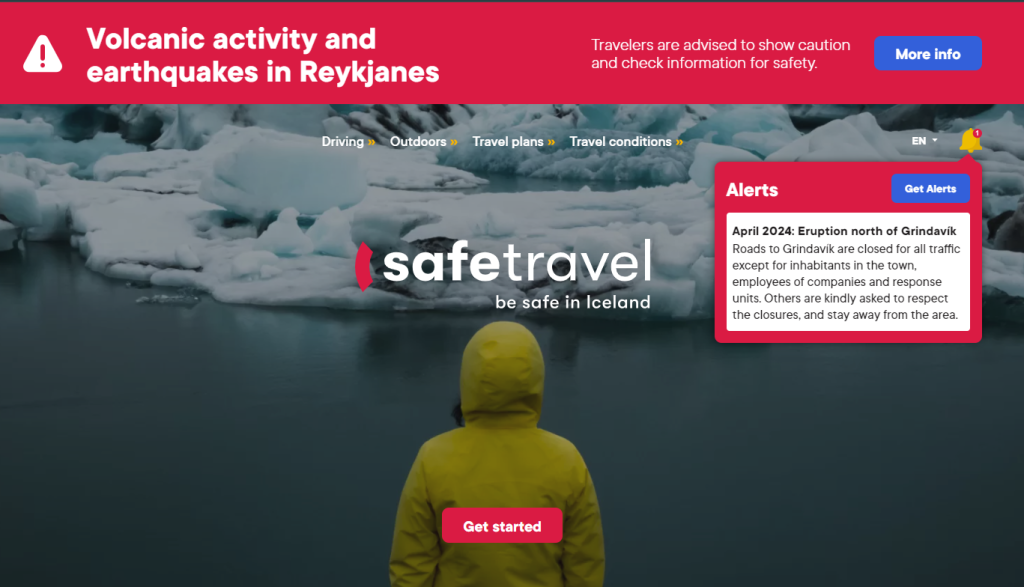
You can check current volcanic activity on the Iceland Meteorological Office website and find more information about everything from weather to road conditions on the Safetravel Iceland website.
Iceland Volcano Map: 5 Best Volcanoes to Visit
This Iceland volcano map highlights the best locations you can visit on a self-drive trip.
1. Þríhnúkagígur – The Only Volcano You Can Go Inside
- Location: Near Reykjavik
- Drive time: About 20 minutes
- Best time: Summer
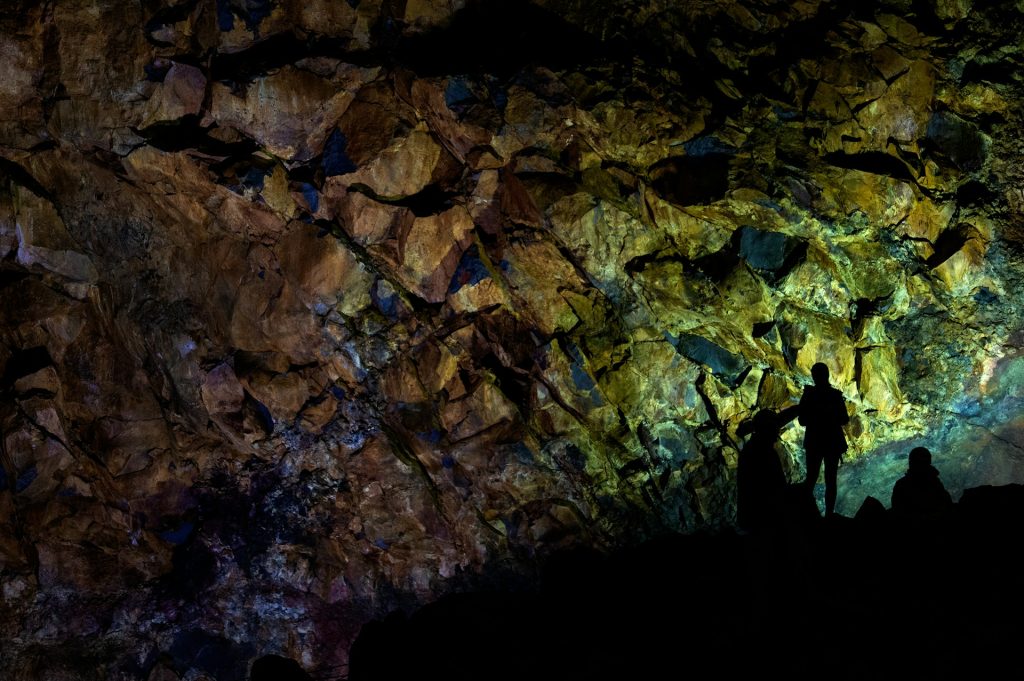
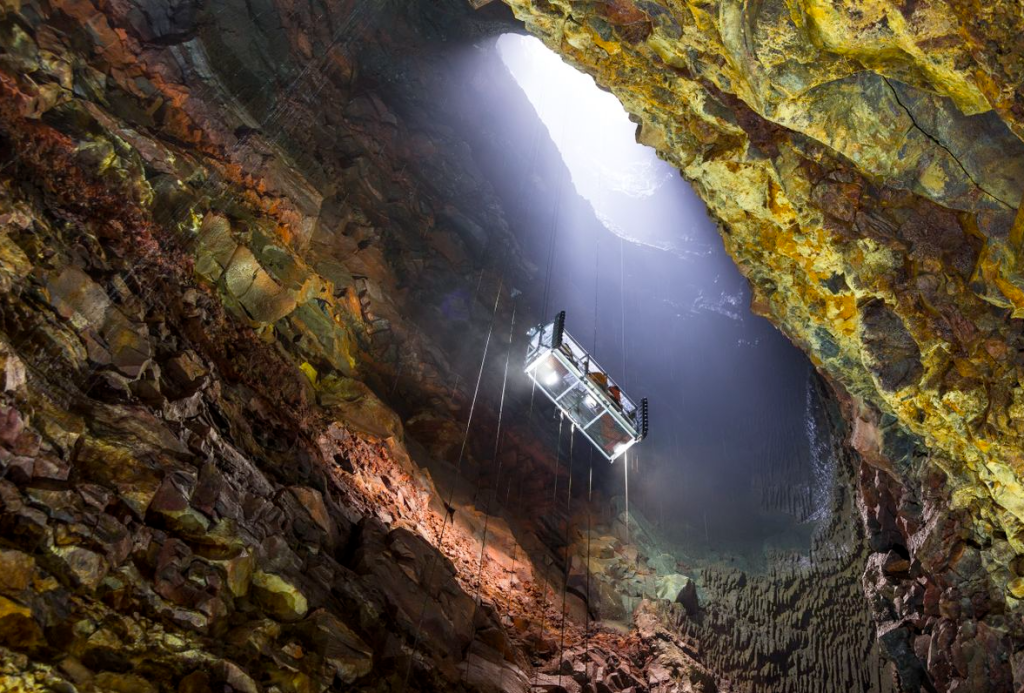
Þríhnúkagígur offers one of the most unique volcano experiences in the world. It’s the only place where you can descend into a real magma chamber.
You’ll take an elevator 120 meters underground, surrounded by colorful volcanic rock formations created thousands of years ago.
- Last eruption: about 4,000 years ago
- Access: Guided tour only
- Includes: hike + elevator descent
This is one of the most unforgettable things to do near Reykjavík.
2. Eyjafjallajökull – Iceland’s Most Famous Volcano
- Location: South Coast
- Drive time: About 2 hours from Reykjavík
- Best time: All year (viewpoints accessible year-round)
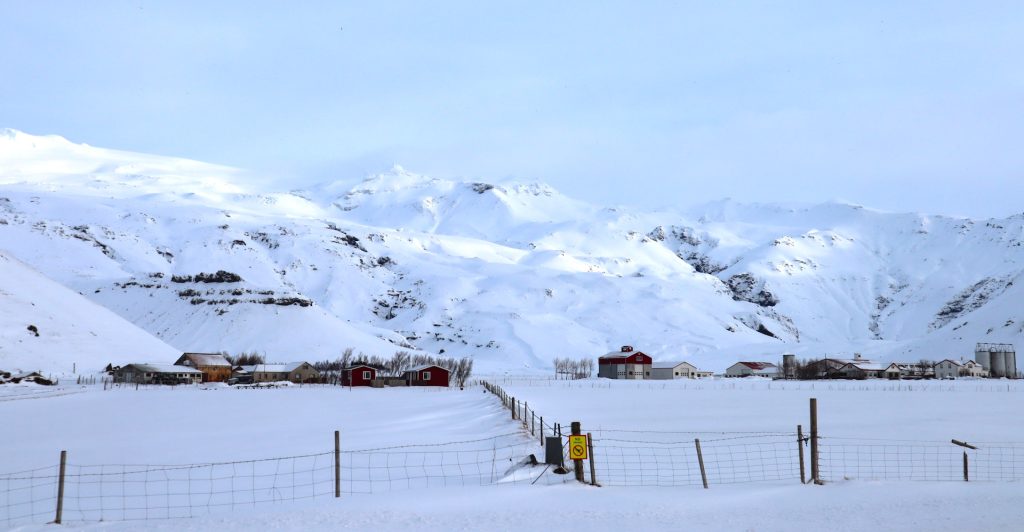
Eyjafjallajökull became world-famous after its 2010 eruption.
While you can’t climb it easily, you can see it from multiple viewpoints along the Ring Road, especially near Hvolsvöllur.
Combine it with nearby stops:
- Seljalandsfoss
- Reynisfjara
3. Katla Volcano – Ice Cave Under a Volcano
- Location: Near Vík
- Drive time: About 2.5 hours from Reykjavík
- Best time: All year
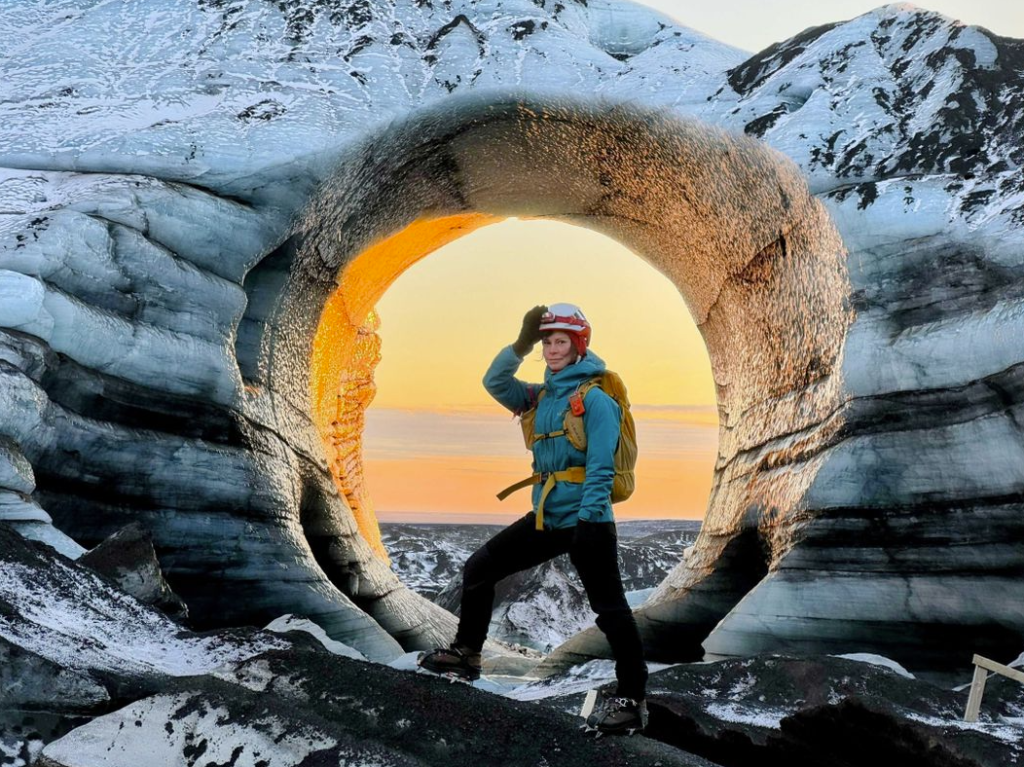
Katla is one of Iceland’s most powerful volcanoes, hidden beneath the Mýrdalsjökull glacier.
What makes it special is the Katla ice cave, which you can visit year-round.
- Access via guided Super Jeep tours
- Unique mix of blue ice and volcanic ash
- One of the few ice caves open in summer
This is one of the best volcano and glacier experience in Iceland.
4. Snæfellsjökull – The “Gateway to the Center of the Earth”
- Location: Snæfellsnes Peninsula
- Drive time: About 2.5 hours from Reykjavík
- Best time: Summer
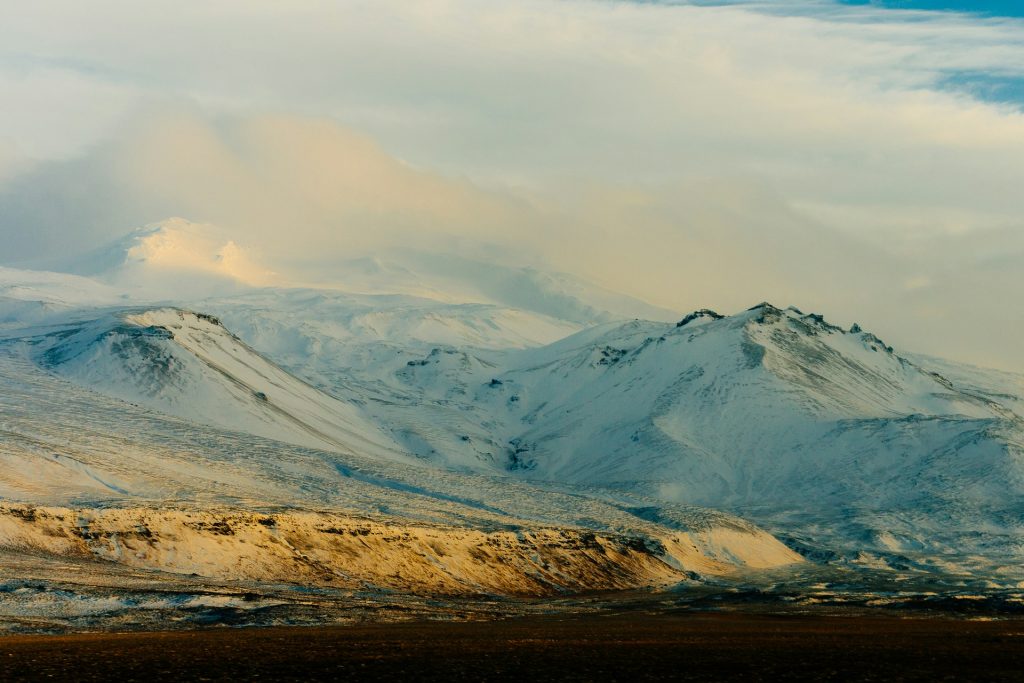
Snæfellsjökull is a glacier-covered volcano made famous by Journey to the Center of the Earth.
- Last eruption: About 1,800 years ago
- Located inside Snæfellsjökull National Park
- Visible from Reykjavík on clear days
You can explore the surrounding lava fields, coastline, and even join guided glacier hikes or snowmobile tours.
5. Krafla Volcano – Turquoise Crater Lake in North Iceland
- Location: Northern Iceland (near Mývatn)
- Drive time: About 6 hours from Reykjavík
- Best time: Summer
Krafla is one of the most active volcanic areas in Iceland.
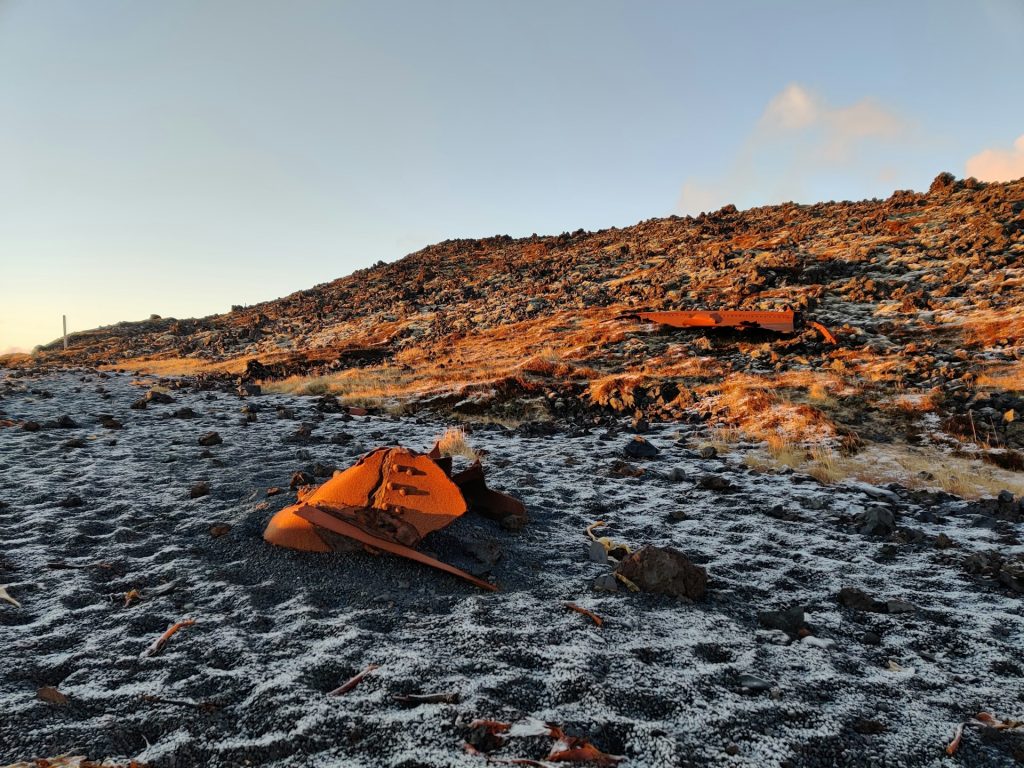
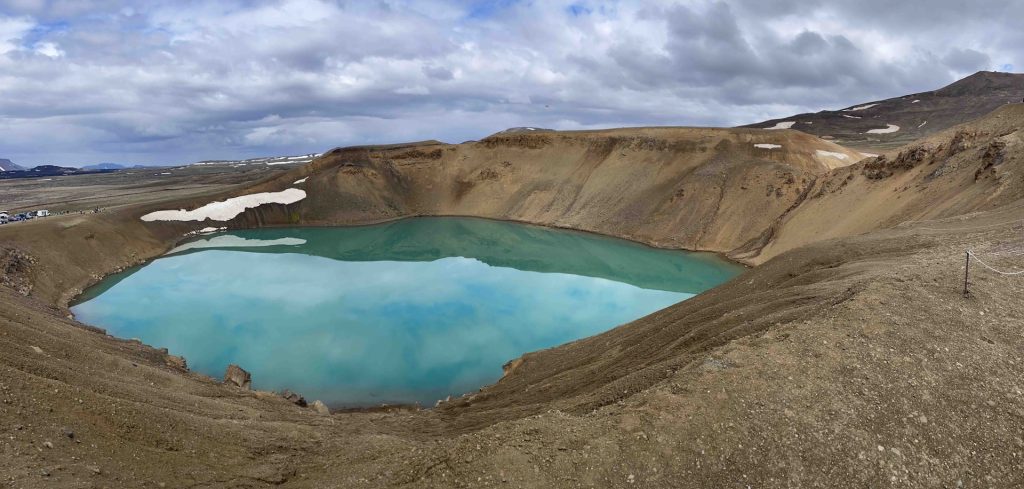
The highlight is the Viti crater lake, known for its bright blue color.
Nearby attractions include:
- Mývatn Nature Baths
- Hverir
It’s an easy stop just off the Ring Road and perfect for a North Iceland road trip.
Iceland Volcanoes FAQ
- How many volcanoes are there in Iceland?
Iceland has around 130 volcanoes, including both active and dormant systems. Many are still considered active, especially along the Reykjanes Peninsula.
- How often do volcanoes erupt in Iceland?
On average, a volcanic eruption occurs every 4 to 5 years. In recent years, eruptions have been more frequent on the Reykjanes Peninsula.
- Is it safe to visit volcanoes in Iceland?
Yes, visiting volcanoes in Iceland is generally safe if you follow official guidelines and avoid active eruption zones.
- Do you need a 4×4 to visit volcanoes in Iceland?
Not always. Many popular volcanoes are accessible with a 2WD car, especially in summer. However, remote areas and Highlands routes require a 4×4 vehicle.
- What is the best volcano to visit in Iceland?
Some of the best volcanoes to visit include Þríhnúkagígur for entering a magma chamber, Katla for ice caves, and Snæfellsjökull for scenic views.
- Can you see lava in Iceland?
You can only see flowing lava during active eruptions. These are unpredictable but have recently occurred on the Reykjanes Peninsula.
- Where can I check volcano activity in Iceland?
For real-time updates, check the Icelandic Meteorological Office and SafeTravel Iceland before traveling.
Final Thoughts
Iceland is one of the few places in the world where you can safely experience volcanic landscapes up close.
From walking inside Þríhnúkagígur to exploring ice caves beneath Katla, every stop offers something completely different.
If you want to see more than just the main attractions, renting a car in Iceland gives you the flexibility to visit multiple volcanoes in one trip, especially along the Ring Road and South Coast.
With Firefly Iceland, you can find cheap rental cars in Iceland that make exploring volcanoes, glaciers, and the Ring Road simple and flexible.