When is the best time to visit Iceland? The answer depends on what you want to see and do.
For long daylight hours, road trips, hiking and the Highlands, June to August are generally the best months to visit Iceland. For the Northern Lights, consider traveling between September and April. If you want fewer visitors and potentially lower travel costs, the spring and autumn shoulder seasons can be excellent alternatives.
There really isn’t one perfect month for everyone. Iceland changes dramatically throughout the year, so the best time to travel depends on whether you’re looking for the Midnight Sun, Northern Lights, snowy landscapes, puffins, hiking, a Ring Road adventure or a cheaper Iceland trip.
In this guide, we’ll break down Iceland month by month, including weather, daylight, things to do and what to consider when renting a car.
Quick Guide: When is the Best Time to Visit Iceland?
| What you want to experience | Best time to visit Iceland |
| Warmest weather | June-August |
| Midnight Sun | Late May-July |
| Northern Lights | September-April |
| Ring Road road trip | May-September |
| Icelandic Highlands | Usually late June/early July-September |
| Puffins | Approximately May-August |
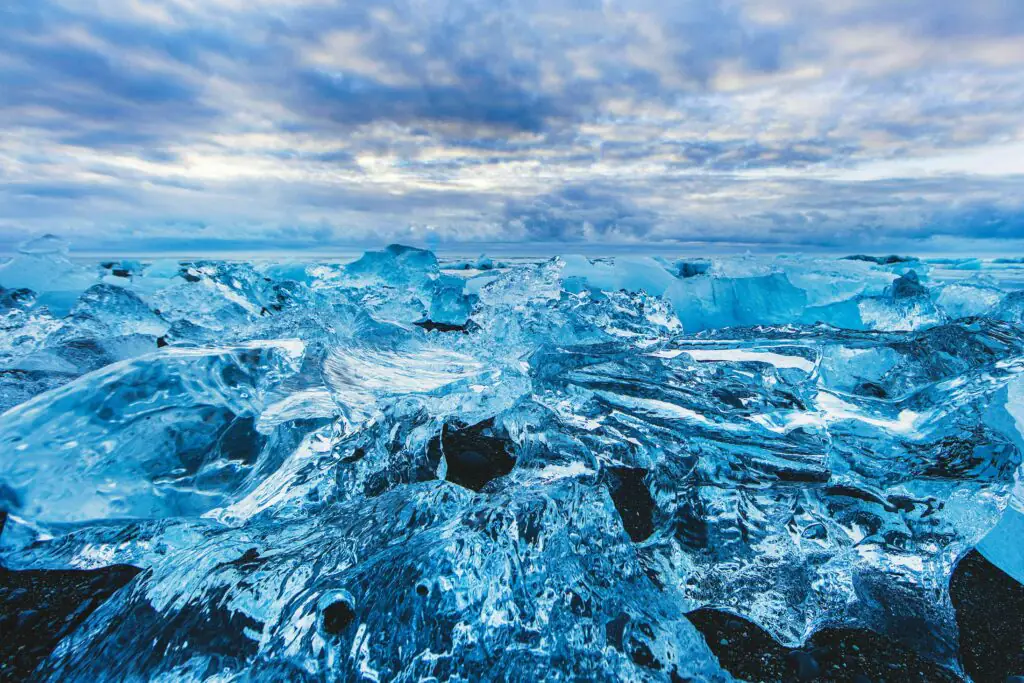
| Ice caves | Generally winter |
| Fewer tourists | Spring and autumn |
| Winter landscapes | November-March |
| Longest daylight hours | June |
| Road trip with maximum daylight | June-August |
Keep in mind that Icelandic weather can change quickly at any time of year. Conditions also vary significantly between Reykjavík, North Iceland, the Eastfjords, the Highlands and other parts of the country.
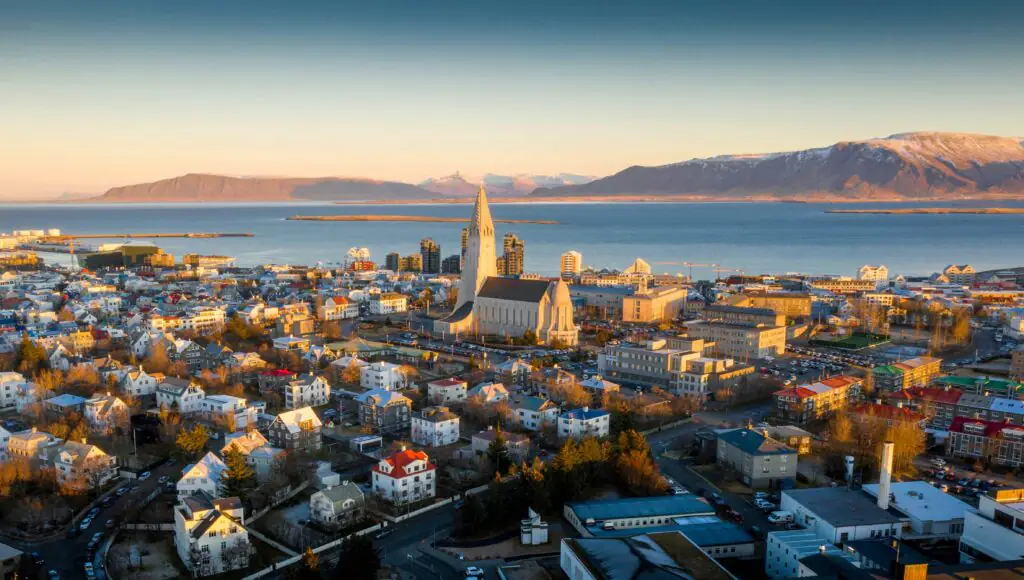
Best Time to Visit Iceland Overall: June to August
For first-time visitors who want long days and plenty of opportunities for outdoor activities, summer is generally the most popular time to visit Iceland.
From June through August, Iceland experiences its mildest temperatures and longest daylight hours. Around the summer solstice in June, it barely gets dark at all, giving travellers much more time to explore.
Summer is particularly good for:
- Driving Iceland’s Ring Road
- Hiking
- Camping
- Visiting waterfalls and black sand beaches
- Whale watching
- Puffin watching
- Exploring more remote areas
- Visiting the Icelandic Highlands when roads are open
- Experiencing the Midnight Sun
There is a trade-off: summer is peak travel season. Popular attractions can be busier, and accommodation, activities and rental cars can be more expensive than during quieter periods.
If you’re planning an Iceland summer road trip, booking your rental car and accommodation early is recommended.
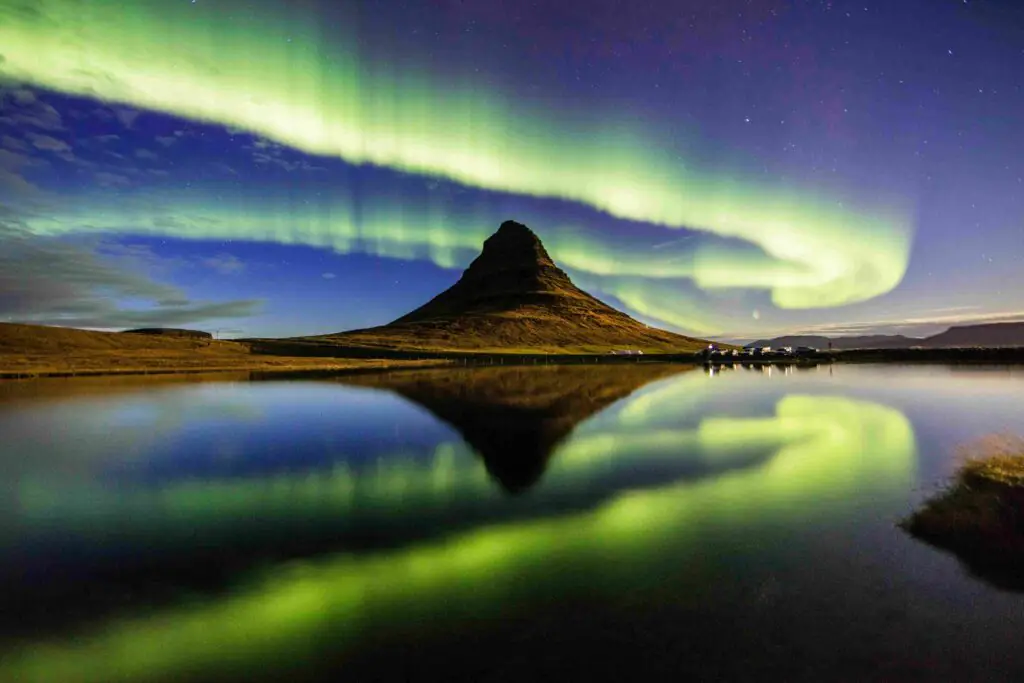
When is the Best Time to Visit Iceland for the Northern Lights?
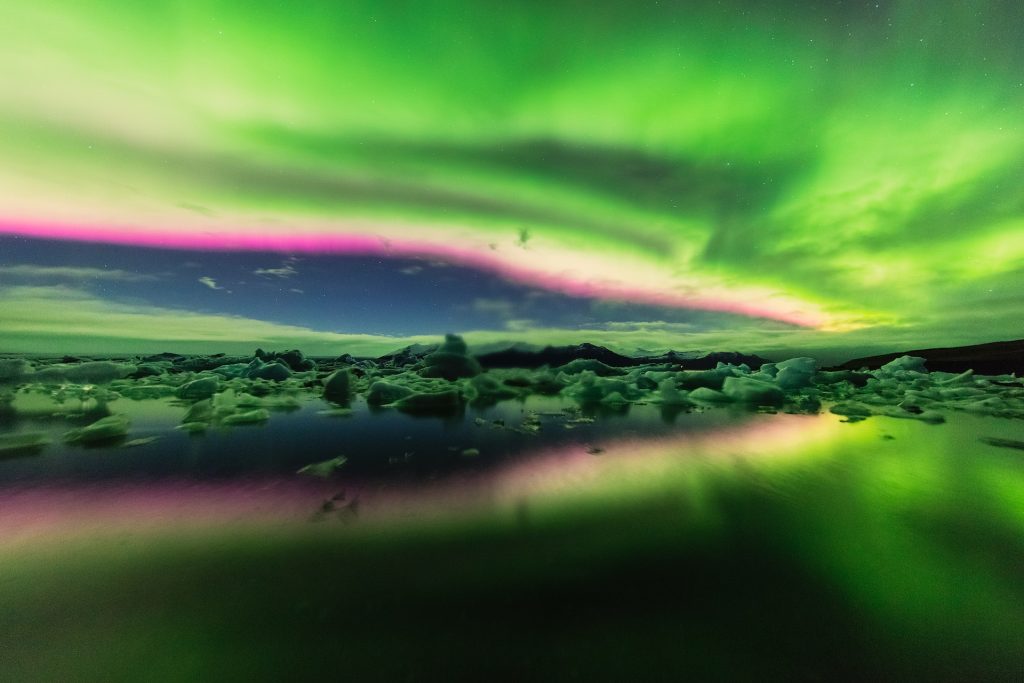
The best time to see the Northern Lights in Iceland is generally from September to April, when there are enough hours of darkness for the aurora to become visible.
Seeing the Northern Lights is never guaranteed. You’ll need a combination of solar activity, darkness and suitable cloud conditions.
December and January provide the longest nights, while September, October, March and early April can offer a useful balance between darkness and longer daytime sightseeing hours.
If you’re traveling independently, a rental car can give you the flexibility to get away from Reykjavík’s brighter city lights when the forecast looks promising.
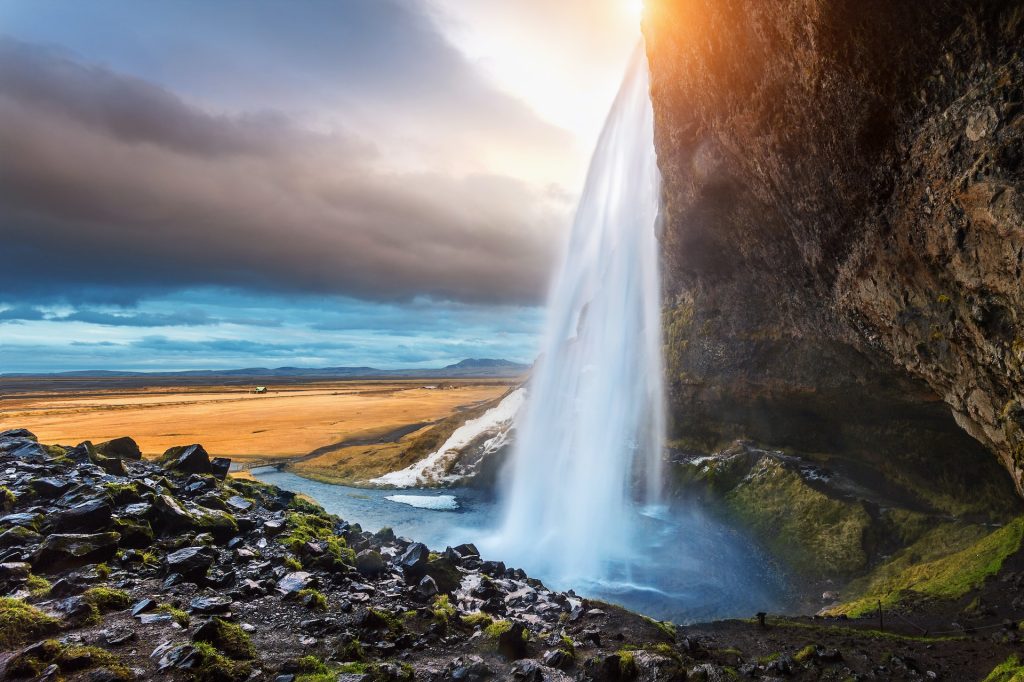
Iceland Month by Month
January in Iceland: Northern Lights and Winter Landscapes
January is one of Iceland’s darkest and coldest months, but that’s exactly what makes it appealing for travellers looking for a true winter trip.
Temperatures in Reykjavík typically remain around freezing, although conditions can be colder elsewhere. Daylight is limited, particularly at the beginning of the month, but increases noticeably as January progresses.
Why visit Iceland in January?
- Northern Lights
- Ice caves
- Snowy landscapes
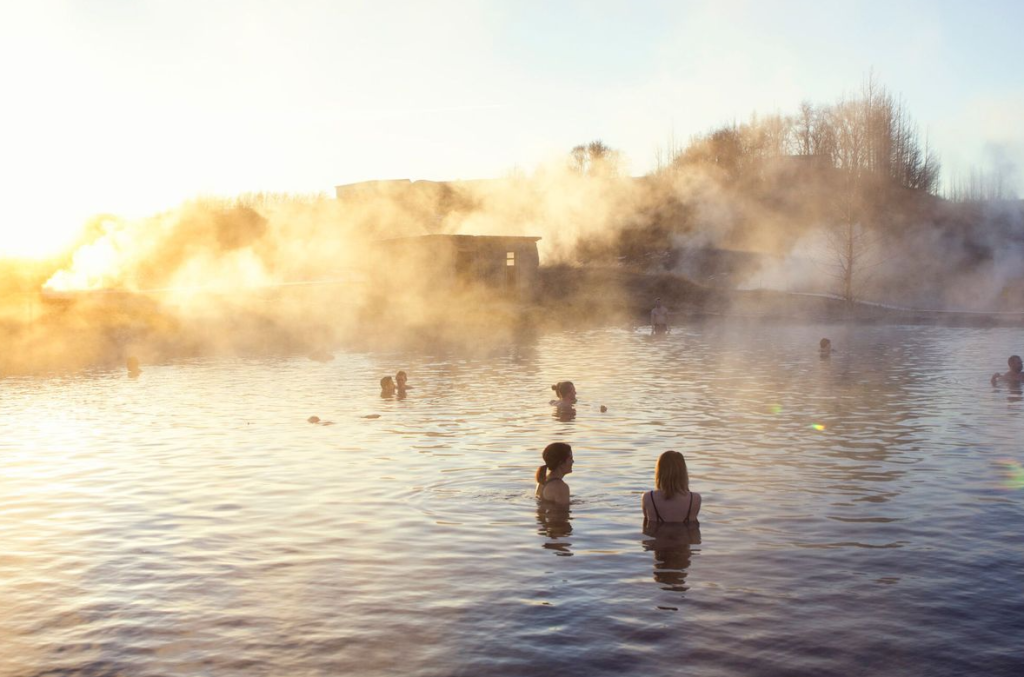
- Hot springs and geothermal pools
- Fewer daylight crowds at popular attractions
- Icelandic winter atmosphere
January is also when Icelanders celebrate Þorri, a traditional midwinter period associated with Icelandic food and culture.
Winter driving requires more planning than summer driving. Check the weather and road information before setting out each day and allow plenty of time for your journey.
Read our full guide to Iceland in January for more winter travel tips.
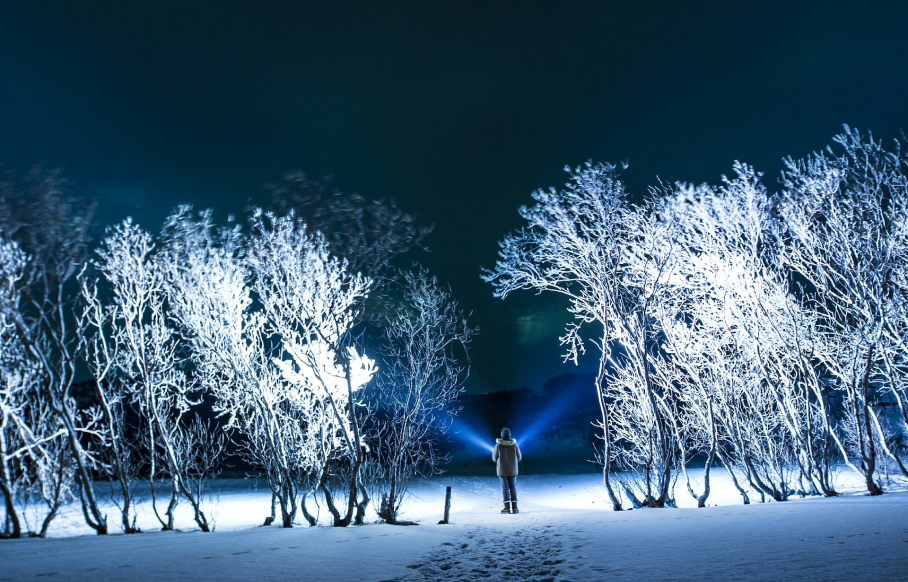
February in Iceland: Aurora and Longer Days
February still offers a classic Icelandic winter experience, but the days are becoming noticeably longer.
It’s an excellent month for travellers who want to combine Northern Lights hunting with winter activities.
Popular things to do in Iceland in February include:
- Searching for the Northern Lights
- Visiting ice caves
- Relaxing in geothermal lagoons and swimming pools
- Exploring the Golden Circle
- Visiting frozen or partially frozen waterfalls
- Experiencing Reykjavík’s winter culture
Reykjavík also hosts the Winter Lights Festival, celebrating the increasing daylight with events and illuminated installations around the city.
If you’re renting a car in February, keep your itinerary flexible and always check the latest conditions before traveling.
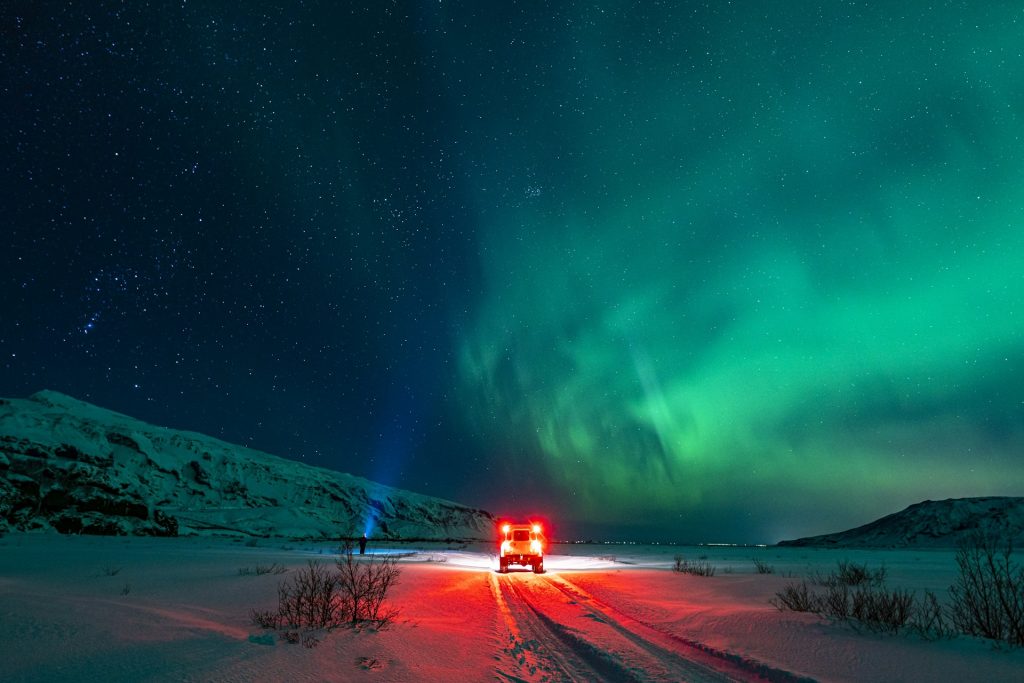
March in Iceland: More Daylight and Winter Adventures
March is an interesting transition month. Winter hasn’t disappeared, but the rapidly increasing daylight gives you considerably more time for sightseeing than during December or January.
March can be a good choice for travelers looking to experience Iceland in winter without the year’s shortest days.
Popular March activities include:
- Northern Lights hunting
- Glacier activities
- Horse riding
- Hot springs
- Golden Circle road trips
- South Coast sightseeing
Snow and ice are still possible, so don’t treat March as spring driving just because the days are longer.
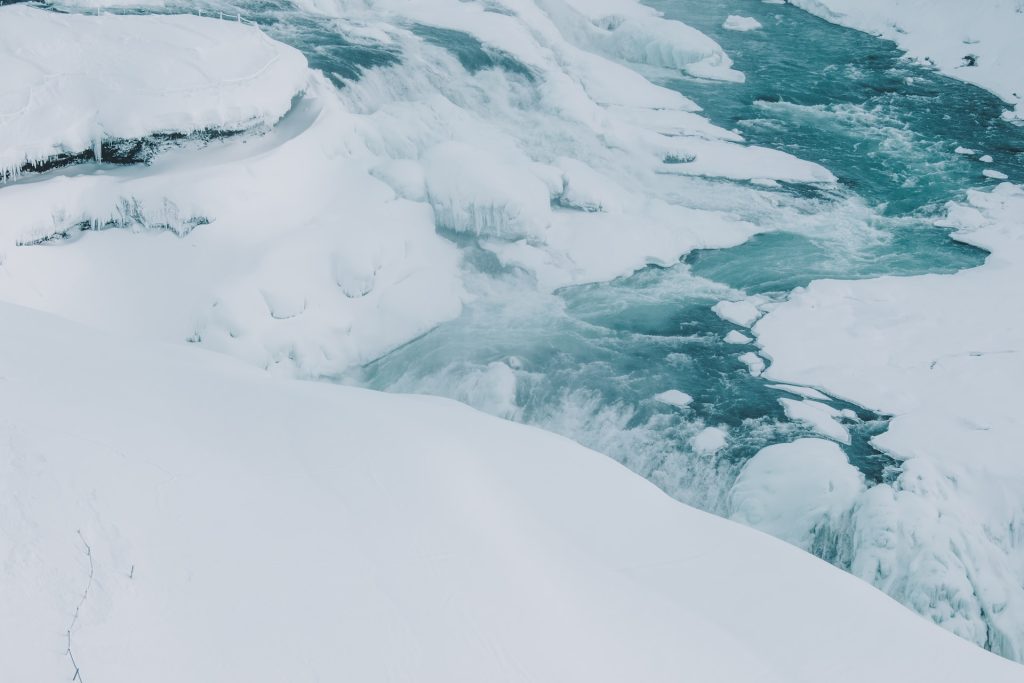
April in Iceland: Longer Days and Late-Season Aurora
April marks the transition from winter towards spring.
Daylight increases rapidly, giving you much more time to explore by car. Early April can still offer opportunities to see the Northern Lights, although the aurora season comes to an end as nights become too bright.
April is good for:
- Longer self-drive days
- Waterfalls
- The Golden Circle
- South Coast trips
- Whale watching
- Geothermal pools
- Fewer visitors than peak summer
Weather can still feel very wintery, particularly outside Reykjavík, so visitors should pack for a wide range of conditions.
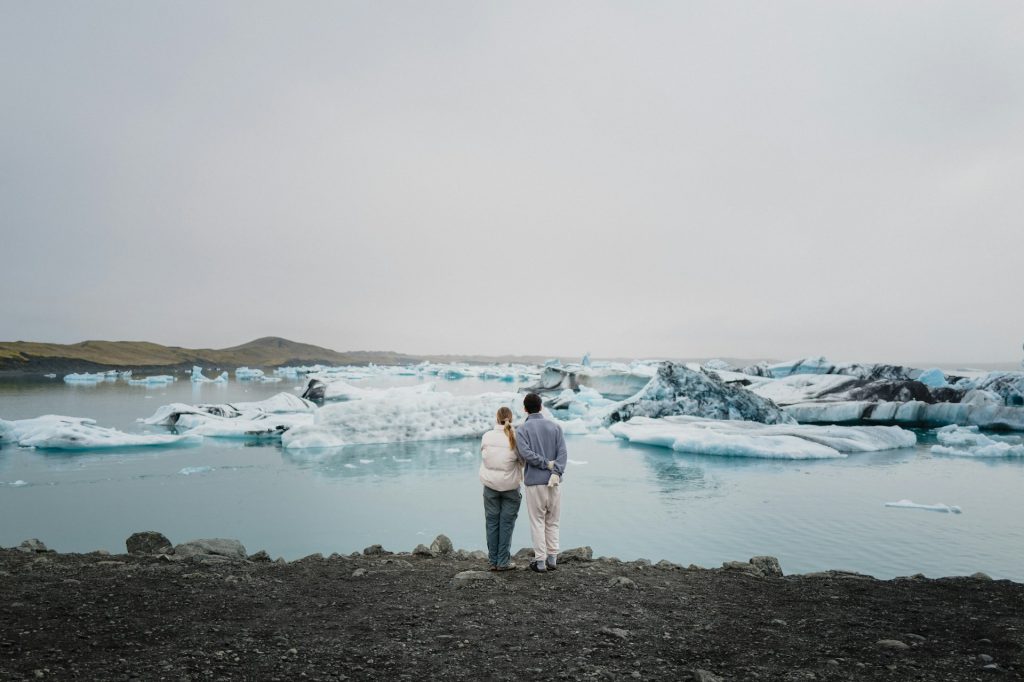
May in Iceland: Puffin, Long Days and Spring Road Trips
May is one of the most underrated months to visit Iceland.
Daylight hours become very long, migratory birds return and many parts of the country become increasingly accessible as Iceland moves towards summer.
Things to do in Iceland in May include:
- Puffin watching
- Whale watching
- Driving sections of the Ring Road
- Exploring waterfalls
- Visiting the Snæfellsnes Peninsula
- Hiking lower-elevation trails
- Enjoying Reykjavík’s outdoor areas
However, don’t assume that summer access means the Highlands are open. F-roads normally remain closed in May, and their opening dates depend on conditions each year.

June in Iceland: Midnight Sun and Road Trips
If maximum daylight is your priority, June is one of the best months to visit Iceland.
Around the summer solstice, Iceland experiences almost 24 hours of usable daylight. Even when the sun technically sets, the sky remains bright.
June is ideal for:
- Ring Road trips
- Hiking
- Camping
- Whale watching
- Puffin watching
- Waterfalls and nature attractions
- Long sightseeing days
- Experiencing the Midnight Sun
Some Highland roads may begin opening towards the end of June, but opening dates vary every year.
If you’re planning to drive on an F-road, remember that a suitable 4×4 is required.
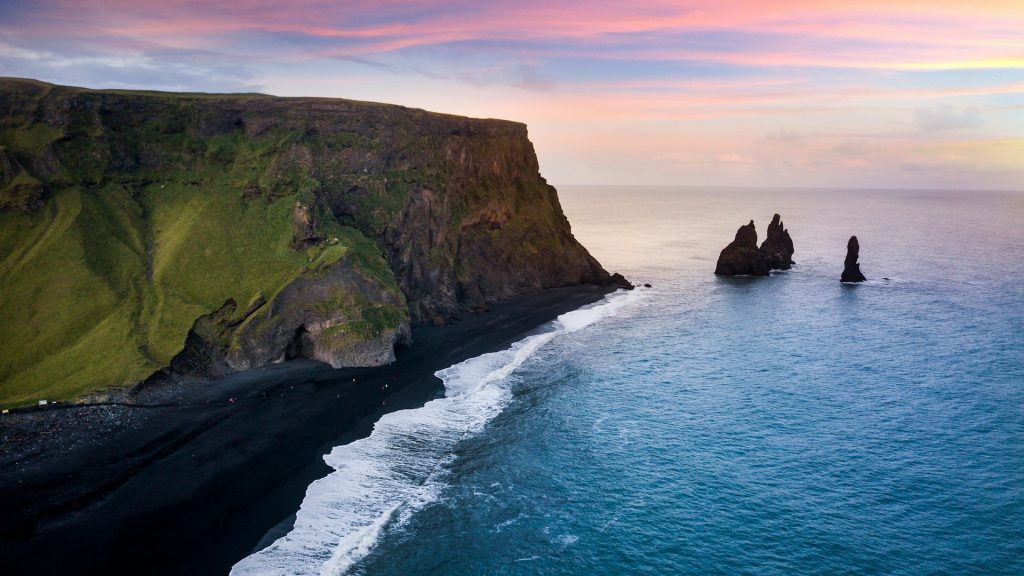
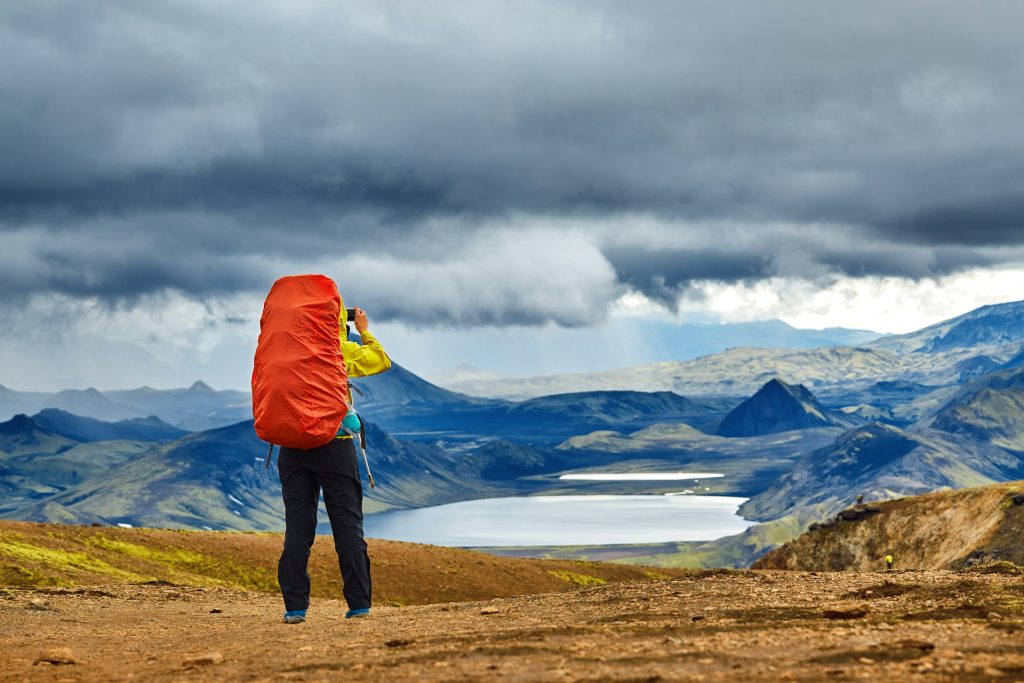
July in Iceland: Highlands, Hiking and Camping
July is typically one of Iceland’s warmest months and one of the best times for outdoor adventures.
It’s particularly popular with travellers who want to explore Iceland’s Highlands.
When Highland roads are officially open, destinations such as Landmannalaugar become accessible by suitable 4×4 vehicles.
July is excellent for:
- Highlands adventures
- Hiking
- Camping
- Ring Road trips
- Puffin watching
- Whale watching
- Long self-drive itineraries
- Exploring the Westfjords
Remember that F-roads require a suitable 4×4, and off-road driving is illegal in Iceland. Always stay on marked roads and tracks.
July is also one of the busiest months of the year, so book accommodation, activities and your rental car well in advance.
August in Iceland: Ring Road Trips and Late Summer
August offers many of the advantages of July while the nights gradually begin returning.
There are still long daylight hours, and many hiking trails, Highland routes and remote areas remain accessible.
August is a great month for:
- Driving the Ring Road
- Hiking
- Visiting the Highlands
- Exploring the Westfjords
- Whale watching
- Puffin watching earlier in the month
- Camping
- Road trips around Iceland
August is also a major month for Icelandic events, including Reykjavík Pride, Culture Night and Þjóðhátíð in the Westman Islands.
By late August, darkness begins returning enough that there can occasionally be opportunities to see the Northern Lights
September in Iceland: Northern Lights and Autumn Road Trips
September is one of the most interesting months for an Iceland road trip because it sits between summer and winter.
The days are getting shorter, the nights are becoming dark again and the Northern Lights season has begun.
At the same time, many popular road trip routes are still accessible, particularly earlier in the month.
Things to do in Iceland in September include:
- Northern Lights hunting
- Driving the Ring Road
- Horse riding
- Glacier hiking
- Visiting waterfalls
- Exploring geothermal areas
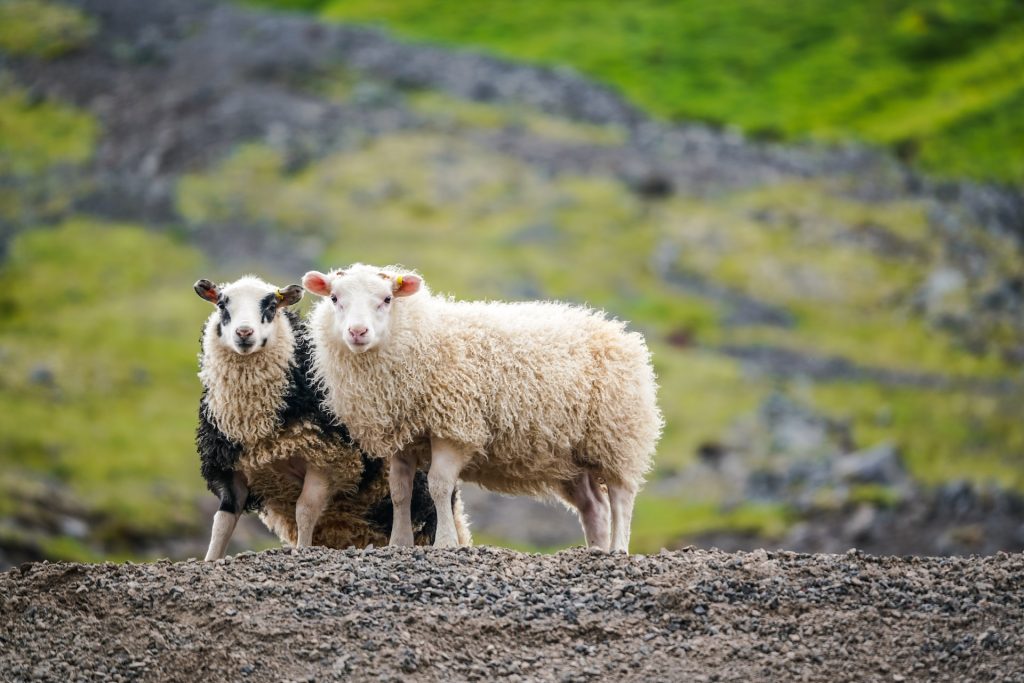
- Experiencing Réttir, the traditional autumn sheep round-up
Highland and F-road access becomes increasingly limited as autumn progresses, so always check whether your planned route is open before traveling.
October in Iceland: Autumn, Northern Lights and Fewer Visitors
October brings a noticeable change in Iceland.
Days become shorter, temperatures fall and the landscape transitions towards winter. You may see autumn colours at lower elevations while mountain peaks begin receiving more snow.
October can be an excellent month for travelers who want:
- Northern Lights
- Fewer visitors than summer
- Autumn scenery
- Hot springs
- Golden Circle trips
- South Coast sightseeing
- Glacier activities
However, October weather can vary considerably. Snow, strong winds and icy conditions are possible, particularly later in the month and in northern or higher-elevation areas.
Most Highland F-roads are closed by this point.
Read our complete guide to Iceland in October before planning your autumn road trip.
November in Iceland: Winter Experience and Northern Lights
By November, Iceland is firmly moving into winter.
Daylight becomes much shorter and snow and icy conditions become more common. However, the darker nights create excellent opportunities for Northern Lights hunting.
Popular November activities include:
- Northern Lights
- Ice caves
- Geothermal lagoons
- Hot springs and public pools
- Reykjavík sightseeing
- South Coast attractions
- Winter photography
The Iceland Airwaves music festival also traditionally takes place in November.
Christmas lights and seasonal decorations begin appearing around towns towards the end of the month, giving Reykjavík and other communities a cozy winter atmosphere.
December in Iceland: Christmas and the Darkest Days
December is one of Iceland’s most atmospheric months.
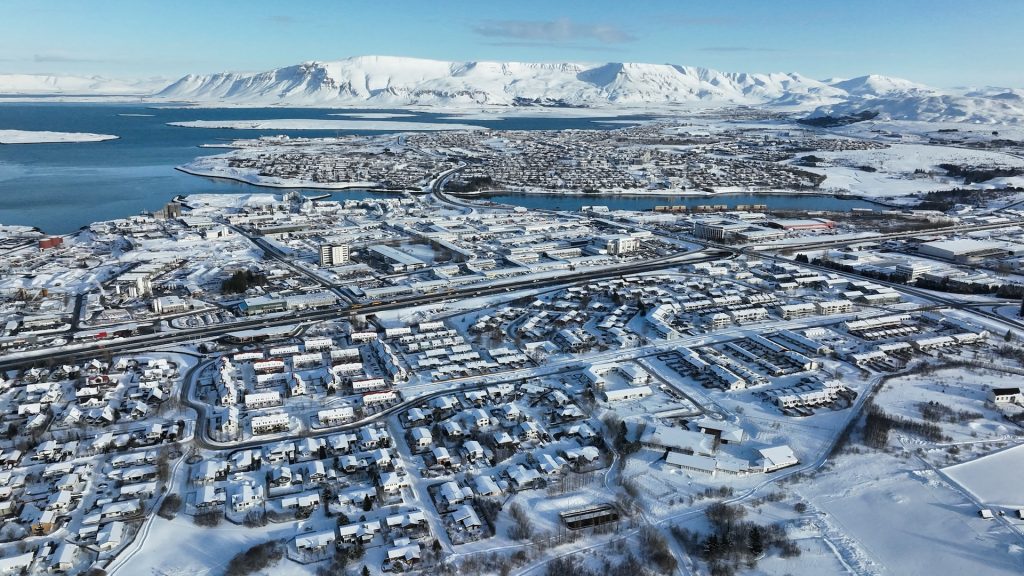
Around the winter solstice, daylight is limited to only a few hours, but Reykjavík comes alive with Christmas lights, decorations and festive traditions.
December is ideal for travellers interested in:
- Icelandic Christmas traditions
- Northern Lights
- Ice caves
- Snowy landscapes
- Geothermal pools
- Reykjavík city breaks
- New Year’s celebrations
Keep an eye out for Iceland’s 13 Yule Lads, who arrive one by one during the 13 nights before Christmas.
Winter weather can affect driving plans, so build flexibility into your itinerary and check conditions before setting off.
What is the Cheapest Time to Visit Iceland?
The cheapest time to visit Iceland is generally outside the peak summer travel season, particularly during parts of autumn, winter and spring.
Accommodation and rental car prices can often be lower than during June, July and August, although prices vary according to demand, holidays, availability and how far in advance you book.
If budget is important, consider travelling during months such as:
- October
- November
- January
- February
- March
- April
Rather than looking for one guaranteed “cheapest month,” compare flights, accommodation and rental cars across several dates.
Travelling during the shoulder season can offer a good balance between price, daylight and available activities.
What is the Best Time for an Iceland Road Trip?
For most travellers, May through September is the most straightforward period for a longer Iceland road trip, thanks to longer daylight hours and greater access around the country.
June, July and August provide the greatest flexibility for longer itineraries such as the Ring Road.
If you want to explore the Icelandic Highlands and F-roads, the window is much shorter. Highland roads generally begin opening in late June or early July and start closing again around September, depending on weather and conditions.
A 4×4 is mandatory on F-roads, and not every 4×4 rental vehicle is approved for every Highland route. Check your rental vehicle’s conditions before planning your journey.
Do You Need a 4×4 in Iceland?
You don’t automatically need a 4×4 for every Iceland trip.
For a summer trip focused on Reykjavík, the Golden Circle, South Coast and Ring Road, a standard vehicle may be suitable depending on your itinerary.
A 4×4 becomes particularly useful when you’re planning routes that require one or travelling during seasons when winter conditions are more likely.
For F-roads in the Icelandic Highlands, a suitable 4×4 is required.
Always choose your rental car based on your route, season, number of passengers and luggage rather than simply choosing the smallest or cheapest vehicle available.
Iceland Weather by Month: What Should You Expect?
Iceland’s weather is famously variable. Even in summer, you should be prepared for wind, rain and cooler temperatures.
In winter, snow, ice and strong winds can affect driving and travel plans. Weather can also differ dramatically between different regions of Iceland.
Before driving, check the latest information from the Icelandic Met Office and road.is.
No matter when you visit, bring waterproof outer layers, warm clothing and sturdy footwear.
FAQ: Best Time to Visit Iceland
- What is the best month to visit Iceland?
There isn’t one best month for everyone. July is excellent for hiking, road trips and the Highlands, while June offers extremely long daylight hours and the Midnight Sun. September and March can be attractive for travelers hoping to combine sightseeing with opportunities to see the Northern Lights.
- When is the best time to see the Northern Lights in Iceland?
The Northern Lights season generally runs from September to April, when Iceland has sufficiently dark nights. Visibility depends on solar activity, cloud cover and local conditions, so sightings are never guaranteed.
- When is the warmest time to visit Iceland?
July and August are generally among Iceland’s warmest months. However, Icelandic summer weather is still cool compared with many other destinations, and rain and wind are possible throughout the season.
- What is the cheapest time to travel to Iceland?
Traveling outside the peak summer months can often be cheaper. Parts of autumn, winter and spring may offer lower prices for accommodation and rental cars, although prices depend on availability and demand.
- What is the best time to drive around Iceland?
For most visitors, late spring through early autumn provides the longest daylight hours and widest access for road trips. June through August are particularly popular for driving the full Ring Road.
- When can you drive Iceland’s F-roads?
Most F-roads are only open during the summer. Opening dates vary according to snow and ground conditions, but many begin opening around late June or early July and close again around September. A suitable 4×4 vehicle is required on F-roads.
- Is Iceland worth visiting in winter?
Yes. Winter is one of the best times to experience Iceland’s Northern Lights, ice caves, snowy landscapes and Christmas atmosphere. However, visitors should expect shorter daylight hours and more challenging driving conditions.
- Is Iceland better in summer or winter?
It depends on what you want to experience. Summer is better suited to long road trips, hiking, camping, the Highlands and the Midnight Sun. Winter is better suited to Northern Lights, ice caves and snowy landscapes.
- What is the best time to visit Iceland with fewer tourists?
Spring and autumn generally have fewer visitors than the June-to-August peak season. May, September and October can be particularly interesting for travellers who want to avoid the busiest summer period while still having plenty to see and do.
- Can you see the Northern Lights and Midnight Sun on the same trip?
Not really. The Midnight Sun occurs around the brightest part of summer, when Iceland doesn’t become dark enough to see the aurora. For Northern Lights, visit during the darker months between approximately September and April.
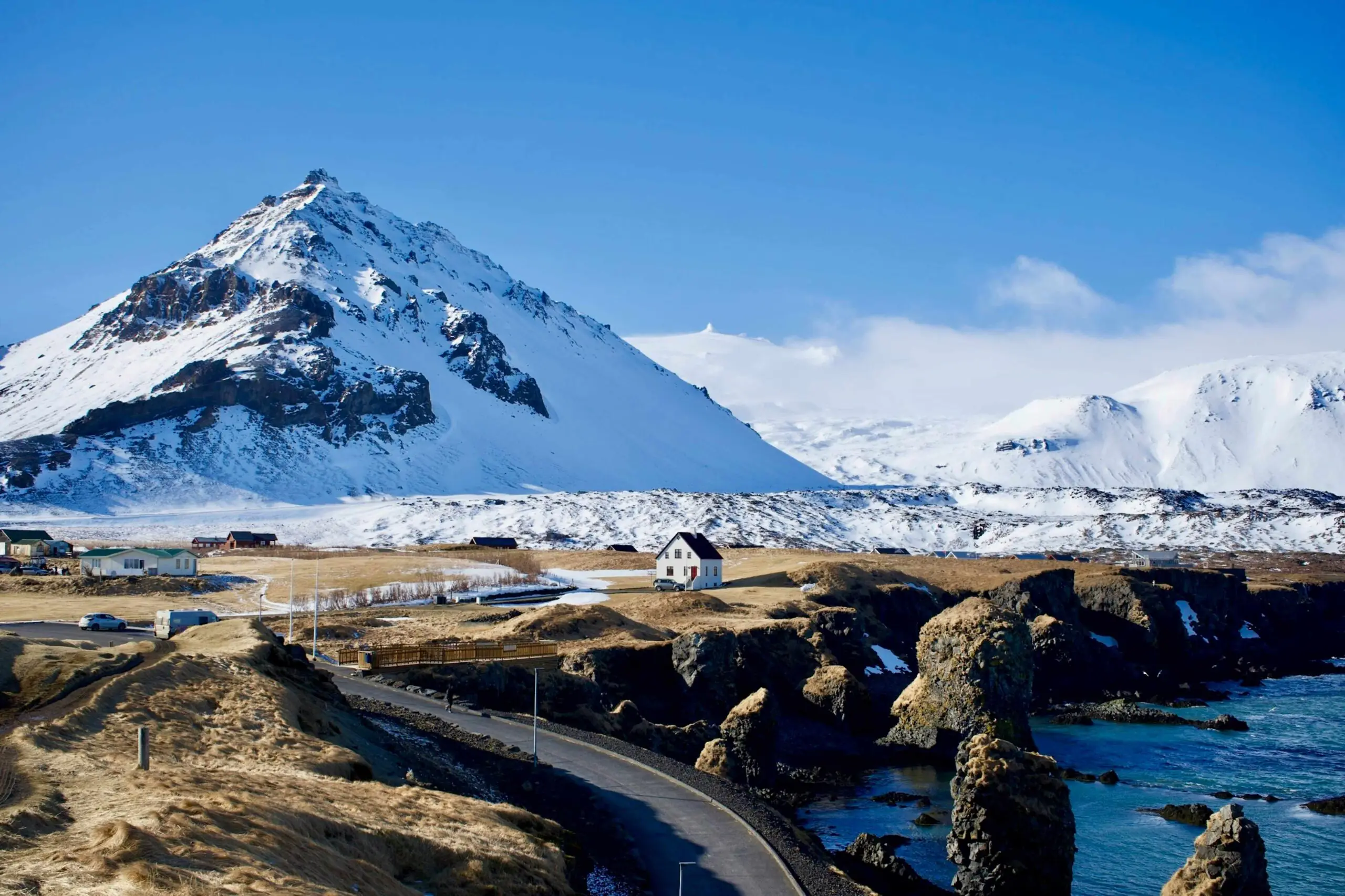
Conclusion: So, When Is the Best Time to Visit Iceland?
The best time to visit Iceland depends on the kind of trip you want.
Visit between June and August for long daylight hours, hiking, road trips and the best access to Iceland’s Highlands. Travel between September and April if seeing the Northern Lights is high on your list. For fewer visitors and potentially lower travel costs, consider the spring or autumn shoulder seasons.
Whatever month you choose, exploring Iceland by car gives you the freedom to visit waterfalls, black sand beaches, geothermal areas, small towns and scenic viewpoints along the way.
Planning an Iceland road trip on a budget? Book your rental car directly with Firefly Iceland and choose a vehicle that suits your season, route and travel plans.
Then all that’s left to decide is which month you’ll arrive.🚗🇮🇸