Iceland is one of the most fascinating travel destinations in the world. Known as the Land of Fire and Ice, the country is famous for its glaciers, volcanoes, waterfalls, geothermal hot springs, and dramatic coastal landscapes.
Despite its small population, Iceland offers some of the most unique natural wonders in Europe. From the midnight sun in summer to the northern lights in winter, the island constantly surprises travelers.
If you are planning to travel to Iceland, learning a few interesting facts about the country can help you better understand its landscapes, culture, and traditions.
Below are some of the most interesting facts about Iceland that make the country one of the best places in the world for a self-drive road trip
1. Iceland Is Home to Europe’s Largest Glacier
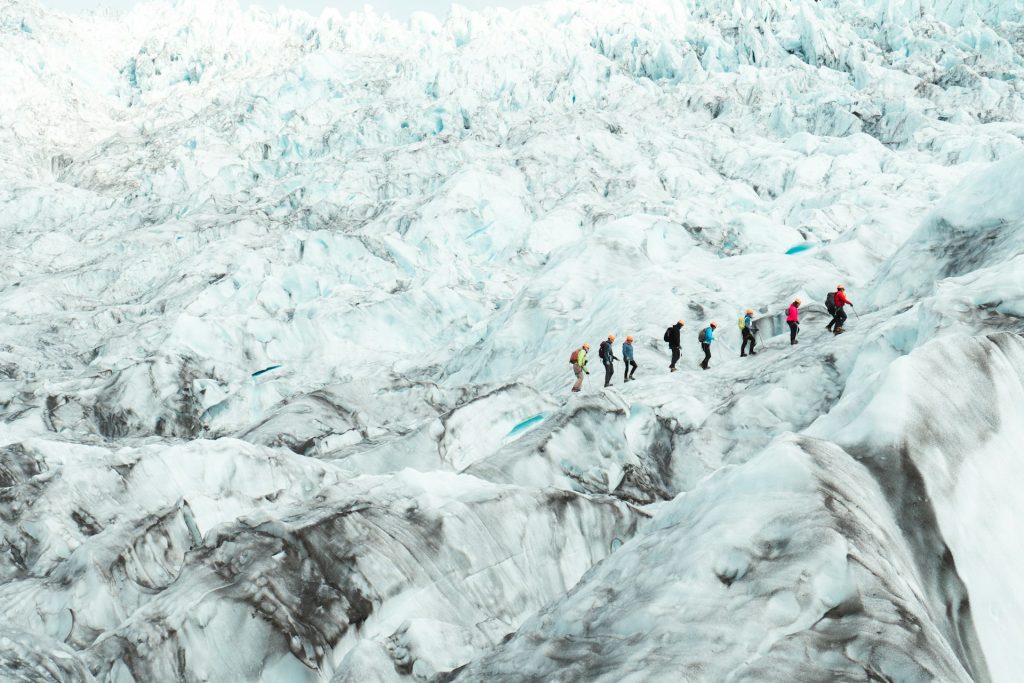
Vatnajökull is the largest glacier in Europe, covering more than 8% of Iceland’s landmass. The glacier spans over 3,000 square miles (7,800 km²) in southeast Iceland.
The glacier and surrounding landscapes form Vatnajökull National Park, one of the most spectacular protected areas in Europe.
Visitors can explore the glacier in several ways:
- Ice cave tours in winter
- Glacier hiking
- Snowmobile tours
- Scenic drives around the glacier lagoons
Because the park covers such a large area, the easiest way to explore it is by renting a car in Iceland and driving along the Ring Road.
2.Iceland is a Country Without a Standing Army
Iceland is one of the few countries on the world that does not maintain a standing army.
Instead, the country relies on international cooperation and the Icelandic Coast Guard for security.
Iceland is still a member of NATO and maintains a defense agreement with the United States, but its small population and remote location make a traditional military unnecessary.
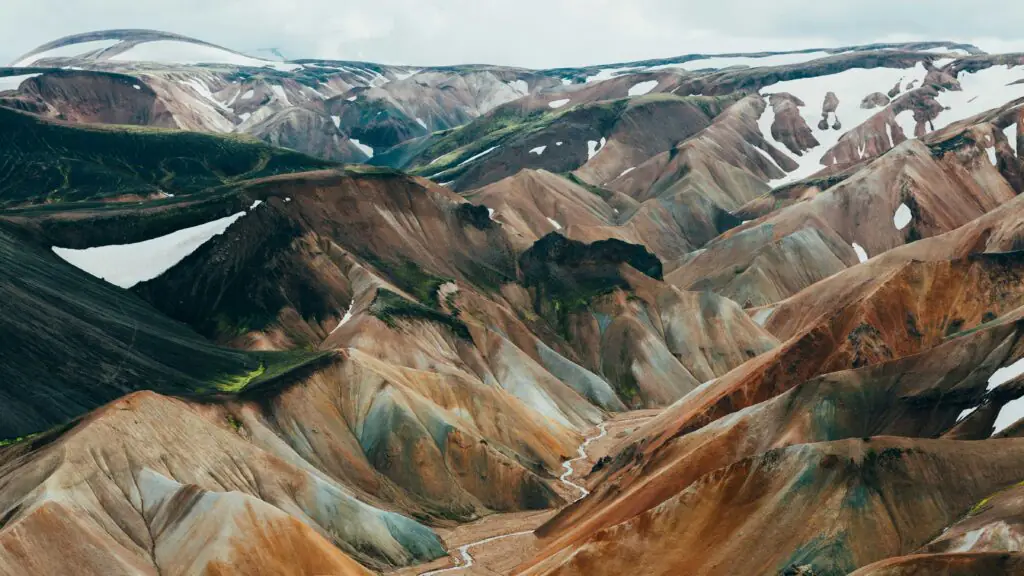
3. Iceland Experiences the Midnight Sun in Summer
One of the most magical natural phenomena in Iceland is the Midnight Sun.
During the summer months, especially from late May to early August, the sun barely sets and the sky remains bright even around midnight.
This means visitors can explore Iceland landscape almost 24 hours a day.
Many travelers take advantage of the long daylight hours to enjoy Iceland road trips, visiting waterfalls, glaciers, and scenic viewpoints late into the evening.
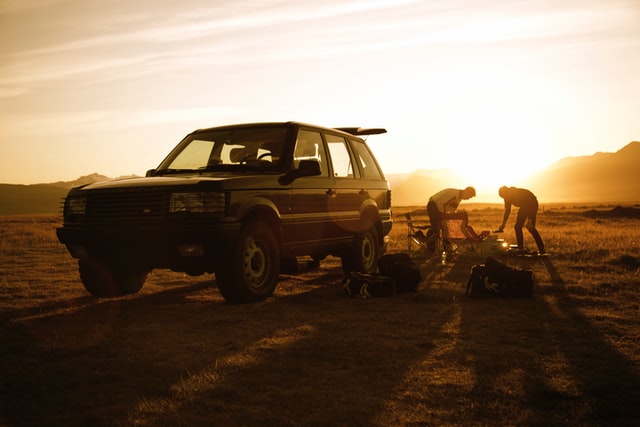
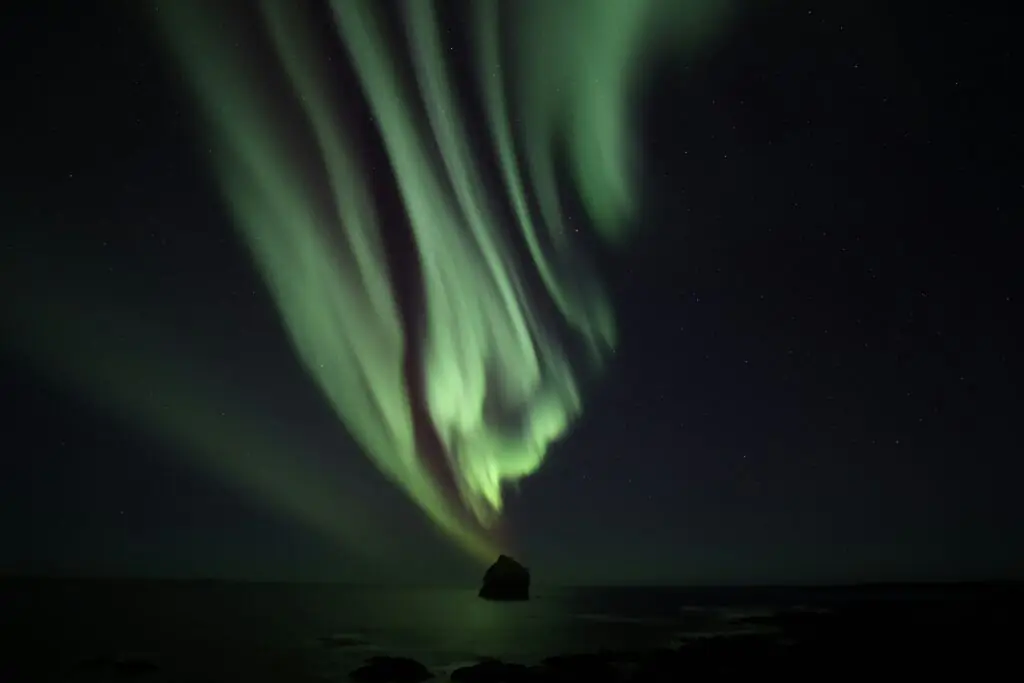
4. Iceland is One of the Best Places to See the Northern Lights
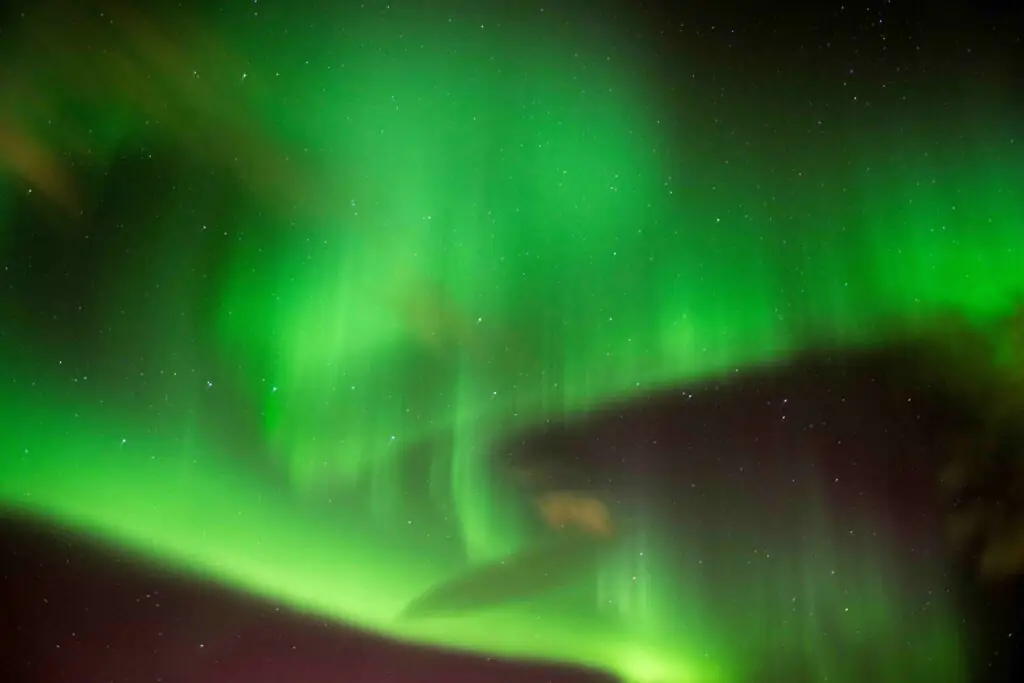
Iceland is widely considered one of the best places in the world to see the northern lights (Aurora Borealis).
The aurora appears when solar particles collide with Earth’s magnetic field, creating glowing waves of green, purple, and red light across the sky.
The best time to see the northern lights in Iceland is between: September and April.
For the best chance:
- Look for clear skies
- Avoid city lights
- Check the aurora forecast on Vedur.is
- Travel away from light pollution
Many visitors drive outside Reykjavík during their Iceland self-drive trip to find darker skies.
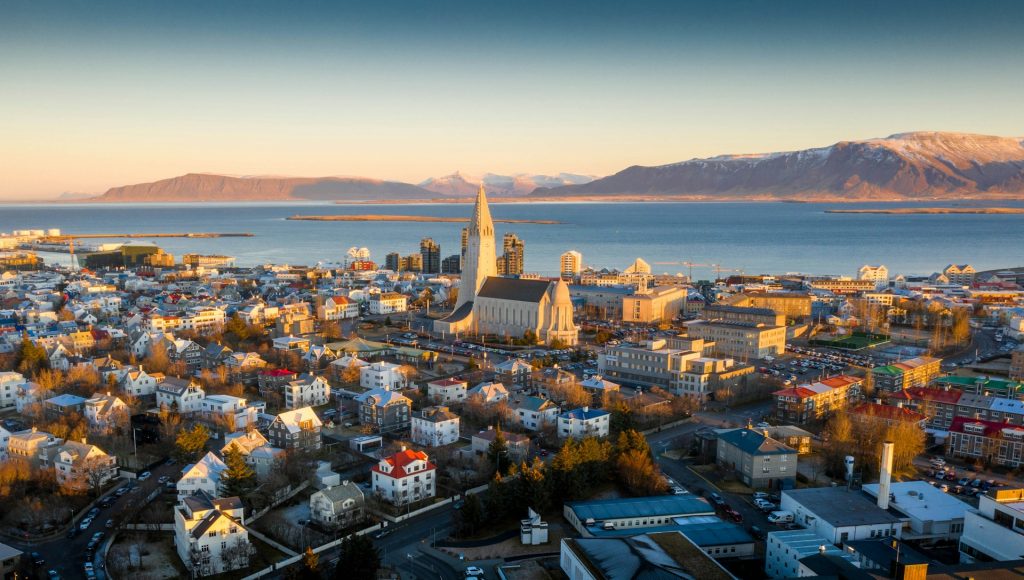
5. Reykjavík is the World’s Northernmost Capital City
Reykjavík is the capital of Iceland and the northernmost capital city in the world.
The name Reykjavík means “Smokey Bay”, referring to the geothermal steam rising from the ground when the Viking first settled in the area.
Today, Reykjavík is a vibrant city known for:
- Hallgrímskirkja Church
- Harpa Concert Hall
- Museums and art galleries
- Restaurants and nightlife
Most visitors start their Iceland road trip from Reykjavík before exploring the rest of the country.
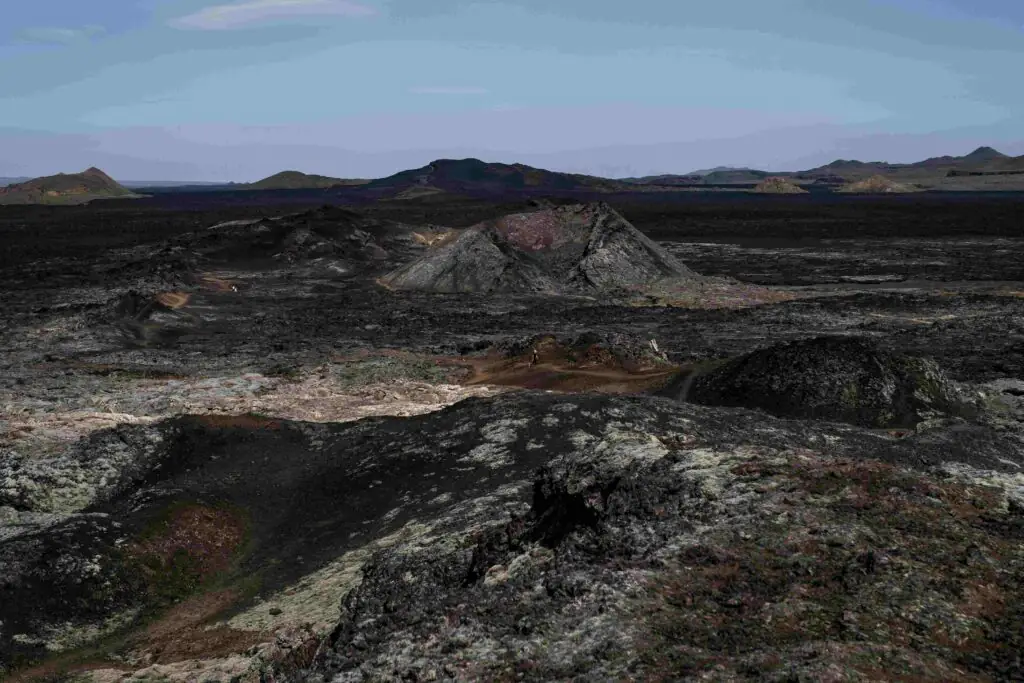
6. Iceland Has Over 200 Lava Fields
Volcanic activity has shaped Iceland’s landscape for thousands of years.
Today there are more than 200 lava fields across the country, formed by past eruptions.
One of the largest is Eldhraun, located along Iceland’s South Coast. This enormous lava field was created during the Laki eruption in the 18th century and covers about 220 square miles.
Driving through these moss-covered lava fields is a unique experience during an Iceland road trip.
7. The Blue Lagoon is One of Iceland’s Most Famous Attractions
The Blue Lagoon is one of the most famous geothermal spas in the world and one of Iceland’s most visited attractions.
Located on the Reykjanes Peninsula near Keflavík International Airport, the lagoon is known for its milky blue water surrounded by volcanic lava fields.
Although many visitors think it is natural, the Blue Lagoon is actually man-made. The warm water comes from the nearby Svartsengi geothermal power plant and contains silica and minerals believed to benefit the skin.
While the Blue Lagoon is the most famous geothermal spa, Iceland has hundreds of other hot springs scattered across the country.
Many of them are located in remote areas, which is why renting a car in Iceland is often the best way to reach them.
8. Iceland Has Three National Parks
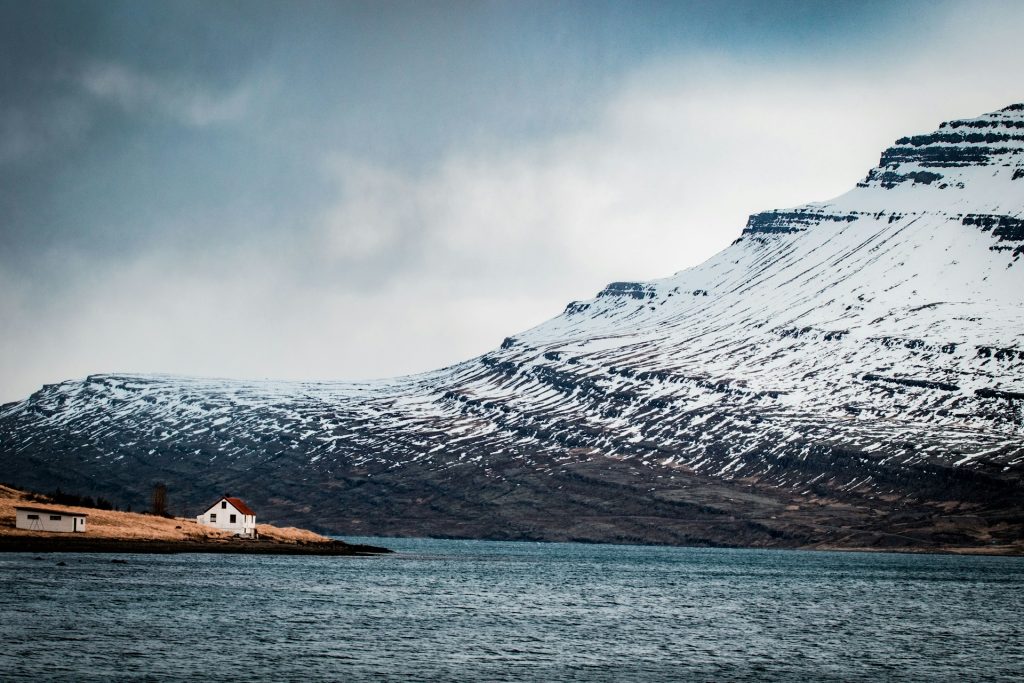
Iceland has three national parks that protect some of the country’s most remarkable landscapes.
Vatnajökull National Park
Home to Europe’s largest glacier and famous locations like Jökulsárlón Glacier Lagoon.
Þingvellir National Park
A historic site where Iceland’s parliament was founded in 930 AD.
Snæfellsjökull National Park
Located on the Snæfellsnes Peninsula and known for its glacier-covered volcano.

9. The Golden Circle is Iceland’s Most Popular Travel Route
The Golden Circle is the most famous sightseeing route in Iceland.
The route forms a loop from Reykjavík and includes three major attractions:
- Þingvellir National Park
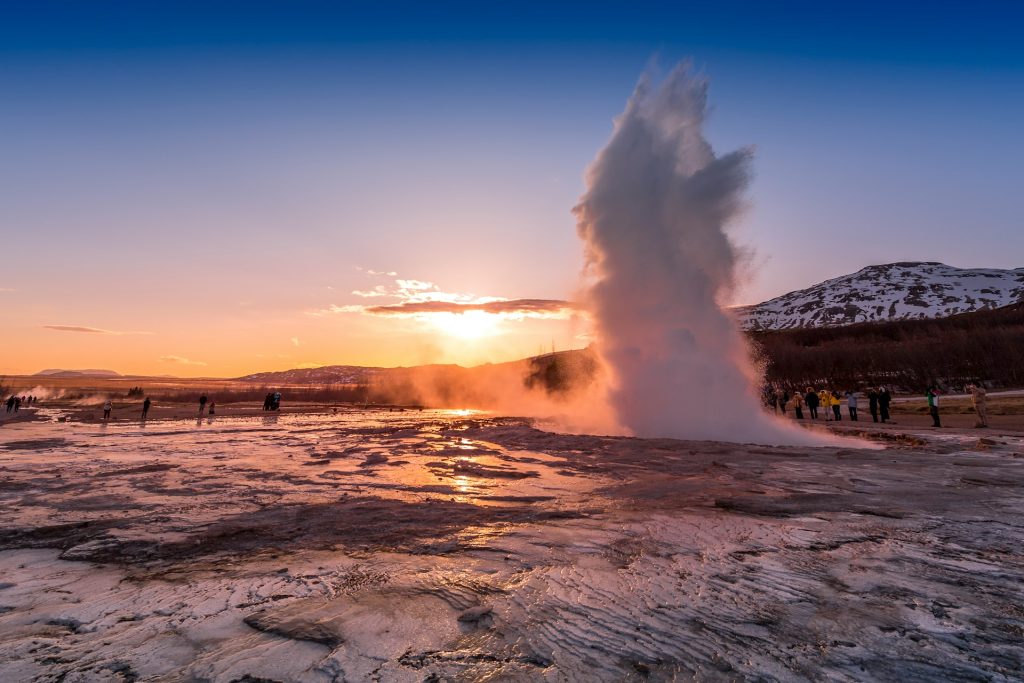
- Geysir geothermal area
- Gullfoss waterfall
This route is one of the most popular day trips from Reykjavík and is ideal for travelers renting a car in Iceland.
10. Icelandic Horses Are Unique
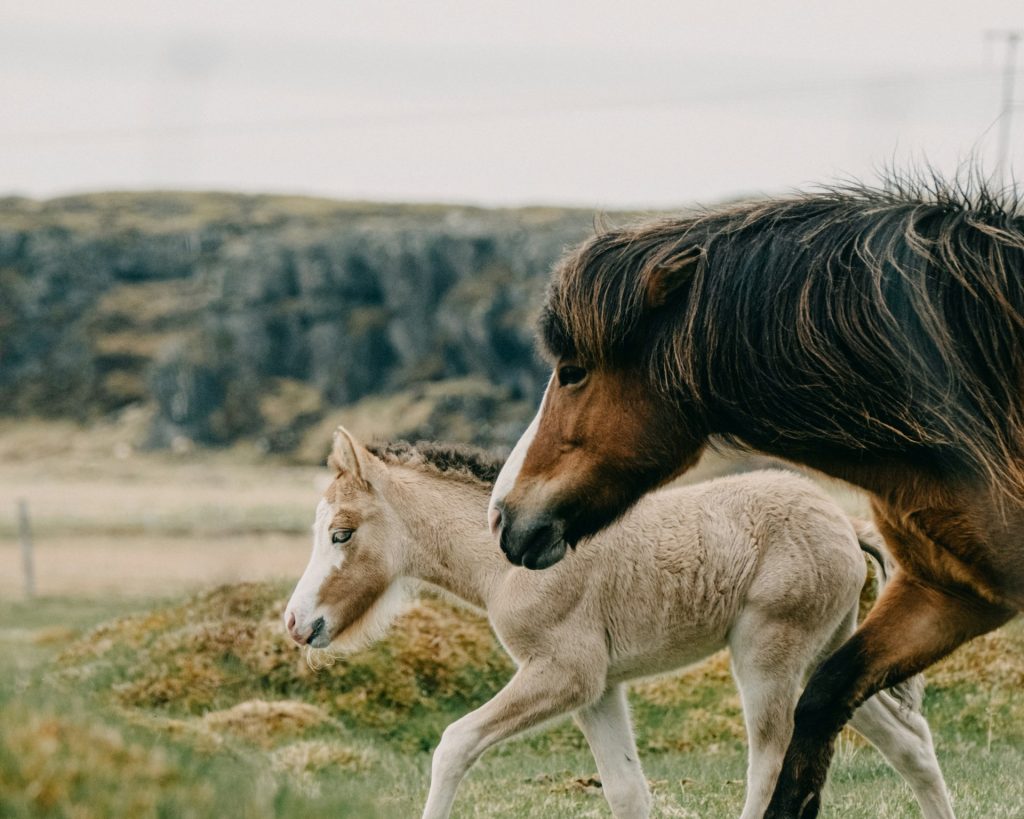
Icelandic horses are a unique ´breed brought to the island by Viking settlers more than 1,000 years ago.
They are known for their strength, calm temperament, and a special gait called the tölt, which provides a very smooth ride.
11. Iceland Has Hundreds of Hot Springs
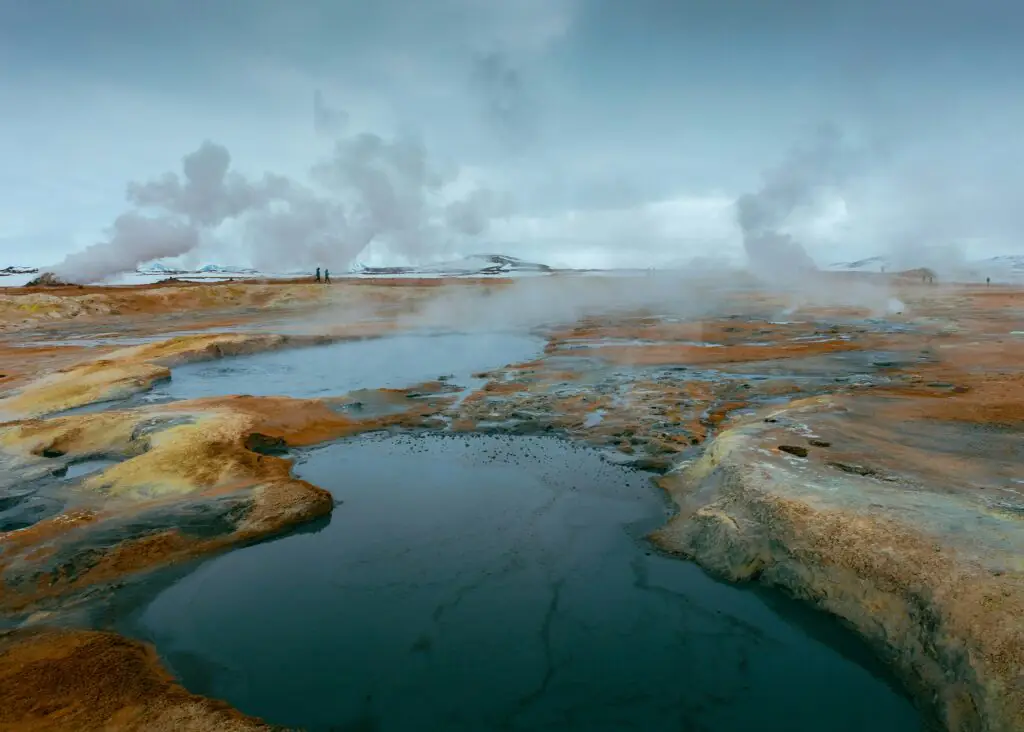
Geothermal activity is found across Iceland.
Almost every town has a heated public swimming pool, and many remote areas feature natural geothermal hot springs.
Popular geothermal bathing locations include:
- Blue Lagoon
- Sky Lagoon
- Secret Lagoon
- Reykjadalur Hot River
12. Icelandic Folklore Includes Hidden People and Elves
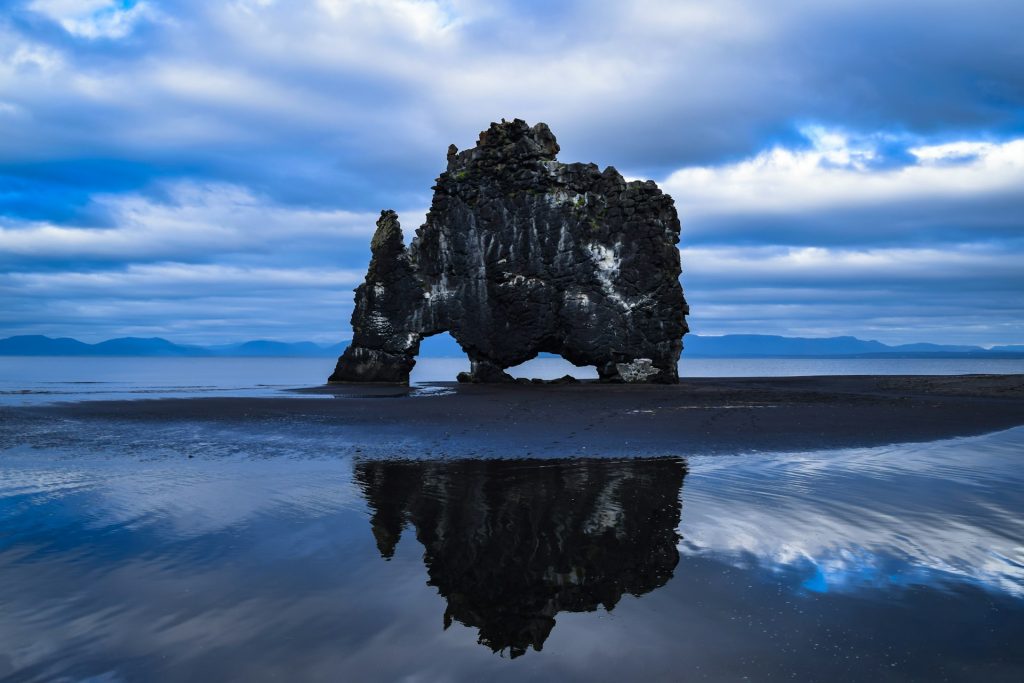
Icelandic folklore includes stories about elves and hidden people (Huldufólk).
These mythical beings are believed to live inside rocks, lava fields, and hills.
While not everyone believes in them, these traditions remain an important part of Icelandic culture.
13. Iceland is a Paradise for Birdwatching
Iceland hosts millions of birds every summer.
Some of the most famous species include:
- Puffins
- Arctic terns
- Gyrfalcons
- Golden plovers
- Whooper swans
The Látrabjarg cliffs in the Westfjords are one of the best birdwatching locations in Europe.

14. Icelandic is One of the Oldest Languages in Europe
The Icelandic language has remained largely unchanged since the Old Norse language spoken by Vikings.
Because of this, modern Icelanders can still read ancients texts like the Icelandic sagas written hundreds of years ago.
- Hello (English) – Halló (Icelandic)
- Goodbye (English) – Bless (Icelandic)
- Thank you (English) – Takk (Icelandic)
- Yes (English) – Já (Icelandic)
- No (English) – Nei (Icelandic)

15. Iceland is One of the Least Populated Countries in Europe
Iceland has a population of just under 400,000 people, making it one of the least densely populated countries in Europe.
Most residents live in or near the Reykjavík capital region, while large parts of the island remain untouched wilderness.
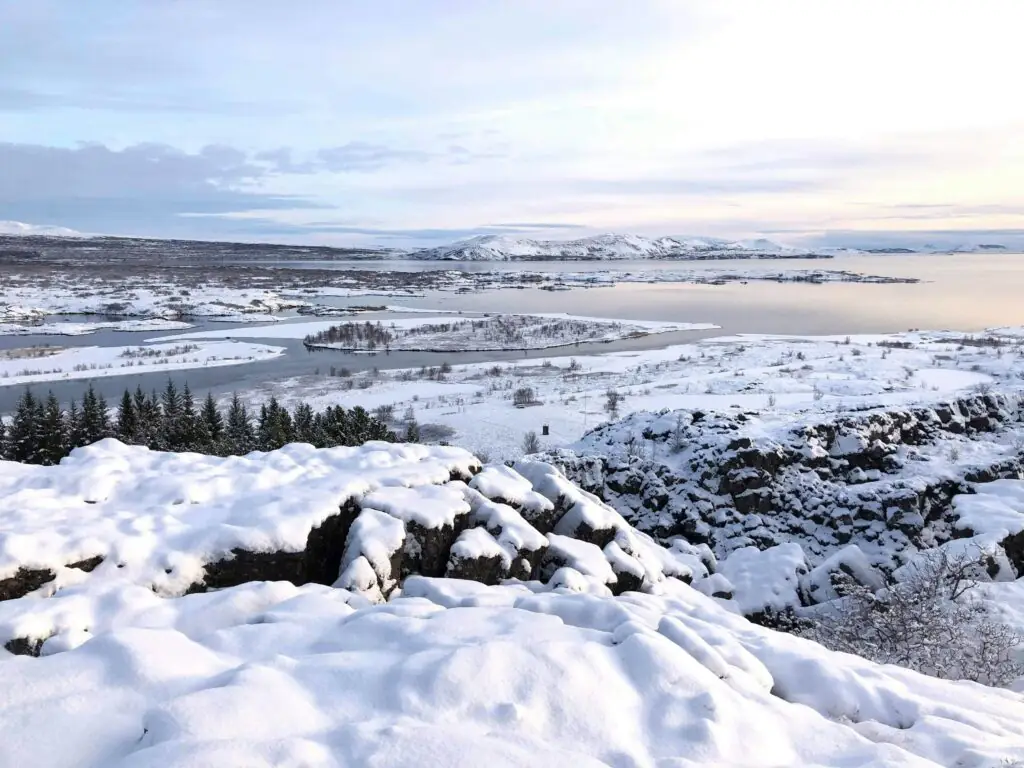
16. Þingvellir National Park is a UNESCO World Heritage Site
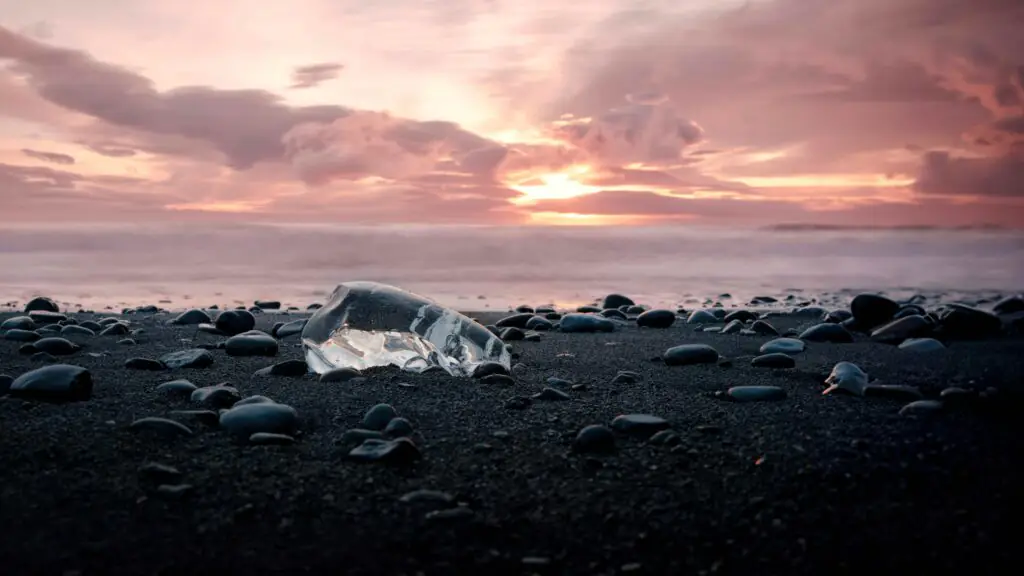
Þingvellir National Park is both historically and geologically important.
Is it the birthplace of Iceland’s parliament, Althingi, founded in the year 930 AD.
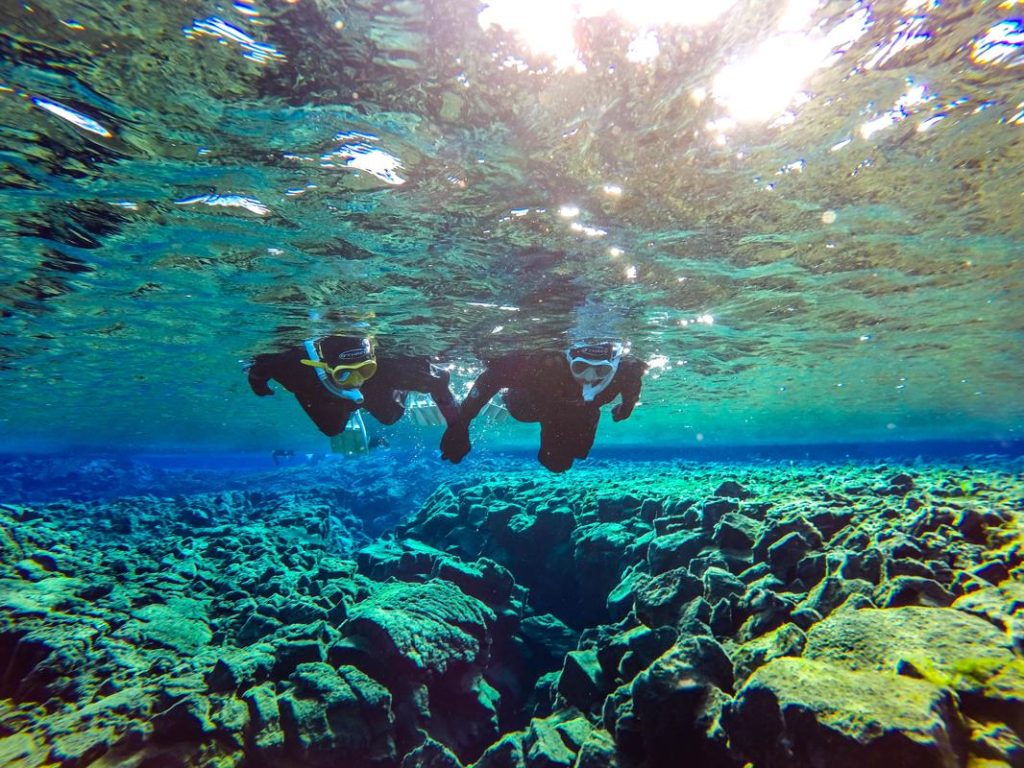
The park is also where visitors can walk between the North American and Eurasian tectonic plates and even snorkeling between them at the Silfra Fissure.
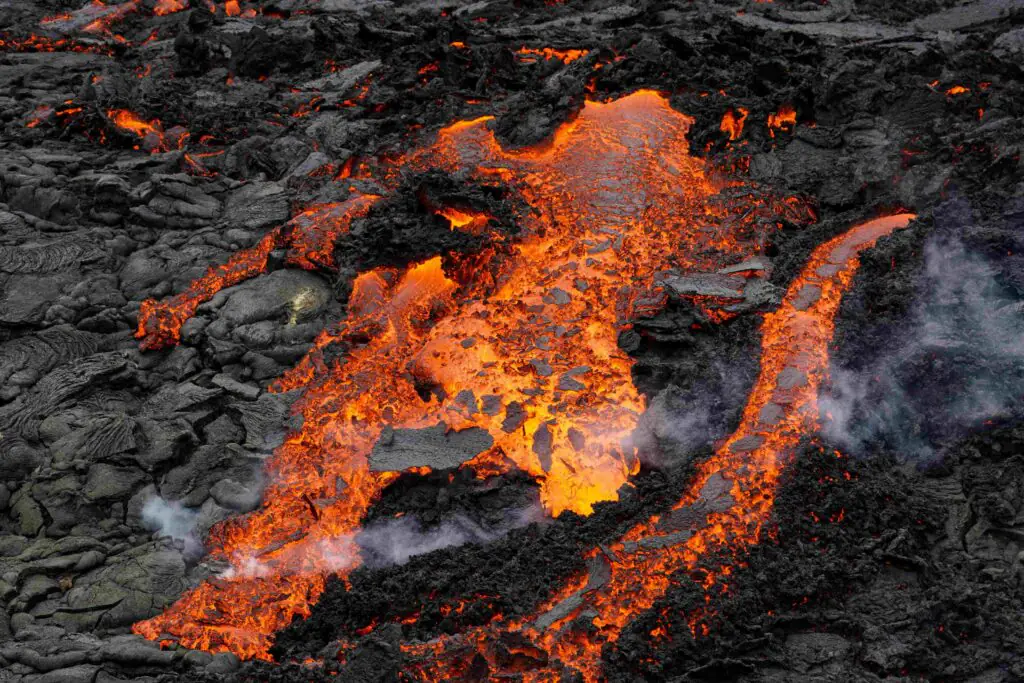
17. Iceland Has More Than 30 Active Volcanoes
Iceland sits on the Mid-Atlantic Ridge, while makes the country one of the most volcanically active places on Earth.
Some of the most famous volcanoes include:
- Hekla
- Katla
- Eyjafjallajökull
Recent eruptions on the Reykjanes Peninsula show that Iceland’s volcanic system are still active today.
18. Iceland is Known as a Nation of Writers
Iceland has one of the strongest itinerary traditions in the world.
It is often said that 1 in 10 Icelanders will write a book in their lifetime.
The country also has one of the highest literacy rates globally.
19. Icelandic Last Names Are Based on Parents’ First Names
Iceland uses a patronymic naming system
Instead of traditional family surnames, a child’s last name is based on the first name of their parent.
For example:
If the father is named Gunnar:
- Son: Gunnarsson
- Daughter: Gunnarsdóttir
This means that people with the same last name in Iceland are not necessarily related.
Explore Iceland With Your Own Rental Car
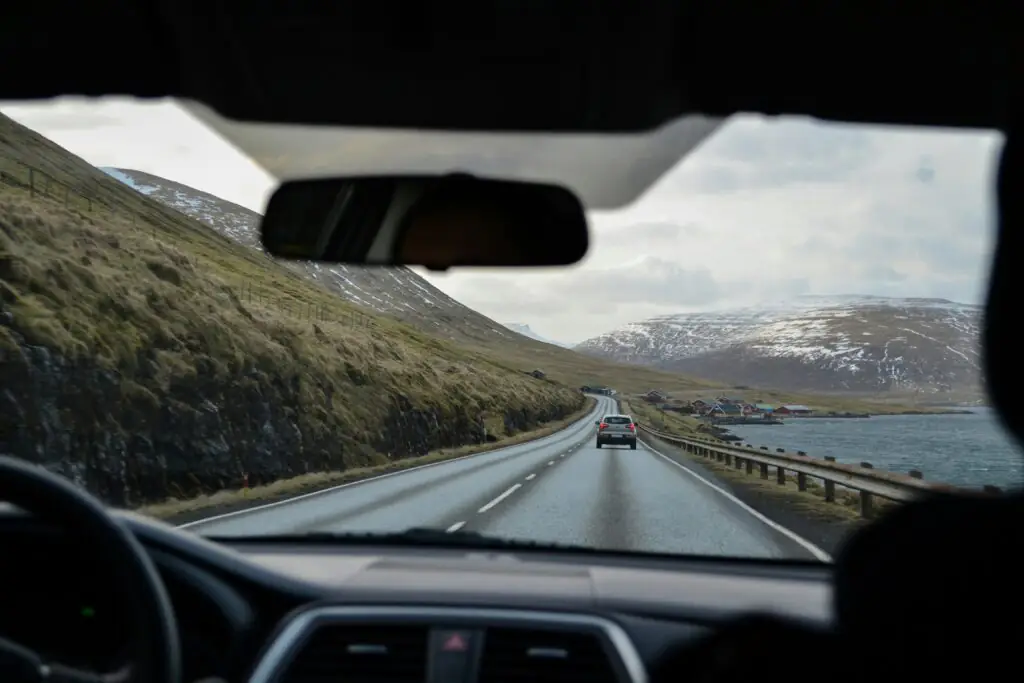
Iceland is a country best explored at your own pace.
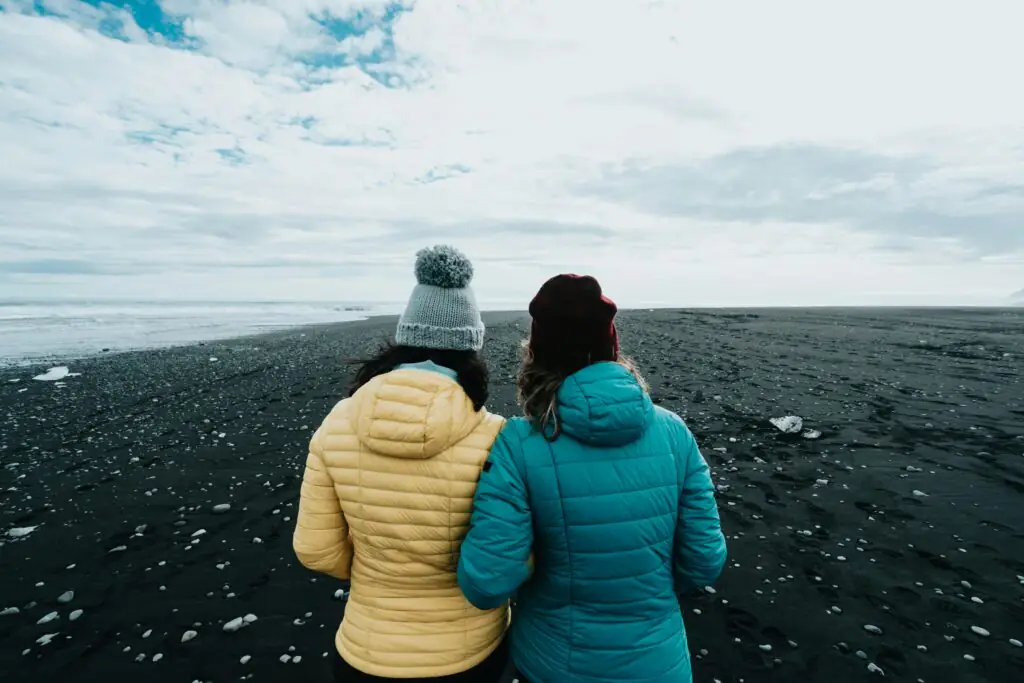
From glacier lagoons and black sand beaches to volcanoes, waterfalls, and geothermal hot springs, many of the most beautiful locations are spread across the island.
With a cheap rental car in Iceland from Firefly, you can:
- Drive the famous Ring Road
- Explore the Golden Circle
- Discover hidden hot springs
- Visit remote landscapes across the country
Rent a cheap car in Iceland today and start planning your road trip adventure
FAQ: Interesting Facts About Iceland
- What is Iceland best known for?
Iceland is famous for its glaciers, volcanoes, waterfalls, geothermal hot springs, and natural phenomena like the northern lights and midnight sun.
- When is the best time to visit Iceland?
Summer offers long daylight hours and easier driving conditions, while winter is best for northern lights viewing and ice cave tours.
- Do you need a car in Iceland?
Yes. Renting a car is the best way to explore Iceland, especially if you want to visit the South Coast, Golden Circle, Snæfellsnes Peninsula, or the Ring Road.
- What is the cheapest car rental in Iceland?
Firefly Iceland often offers some of the cheapest car rental options in Iceland, especially for travelers looking for affordable vehicles.
- How many days do you need in Iceland?
Most travelers spend 5 to 10 days in Iceland, which allows enough time to explore the main attractions and drive parts of the Ring Road.
Conclution
Iceland is a country full of contrasts, where glaciers sit beside volcanoes, lava fields stretch across the landscape, and natural wonders appear around almost every corner. From the midnight sun in summer to the northern lights in winter, the island offers experiences that are difficult to find anywhere else in the world.
These interesting facts about Iceland highlight just how unique the country truly is. Whether you are interested in geology, wildlife, Viking history, or simply exploring dramatic landscapes, Iceland offers endless opportunities for discovery.
Many of the country’s most impressive sights are spread across different regions, which is why a self-drive trip is one of the best ways to travel around Iceland. With a cheap rental car from Firefly Iceland, you can explore waterfalls, glaciers, hot springs, and scenic coastal routes at your own pace.