Iceland is one of Europe’s premier birdwatching destinations, attracting bird enthusiasts, wildlife photographers, and nature lovers from around the world. Despite its relatively small population of people, the country hosts more than 370 recorded bird species, with approximately 85 species nesting regularly each year.
Thanks to Iceland’s dramatic cliffs, volcanic landscapes, isolated islands, wetlands, lava fields, and pristine coastlines, millions of migratory birds return every spring to breed. From the world-famous Atlantic puffin to majestic white-tailed eagles, Arctic terns, and Iceland’s national bird, the gyrfalcon, birdwatching in Iceland offers unforgettable experiences throughout the country.
The best part? Most of Iceland’s top birdwatching destinations are easily accessible by road, making a rental car the perfect way to explore at your own pace
Why Iceland is One of the World’s Best Birdwatching Destinations
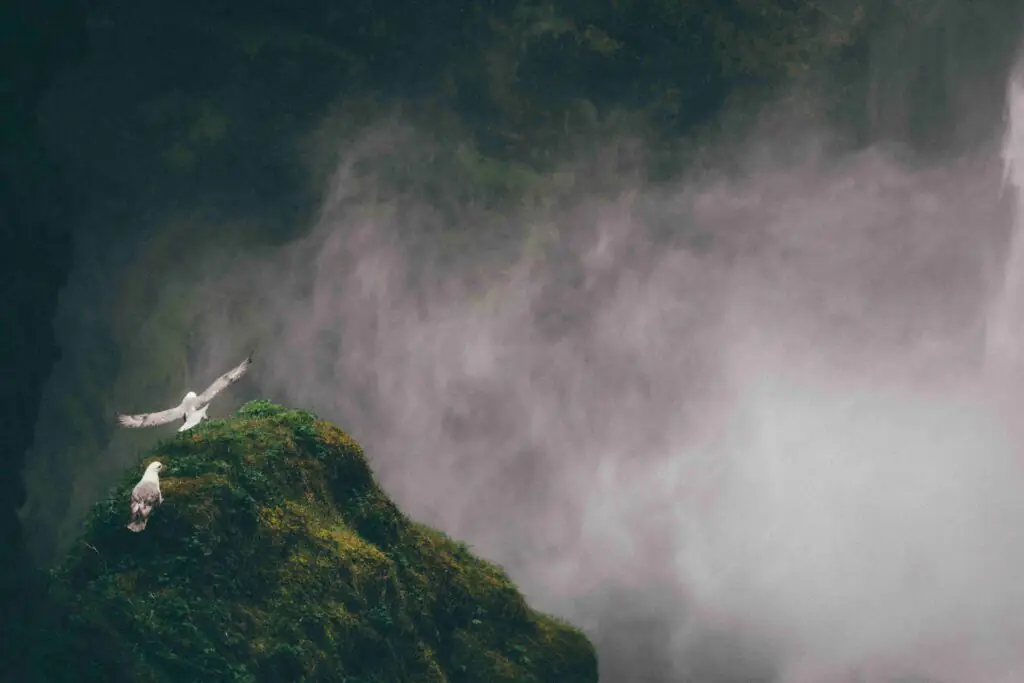
Birdwatching in Iceland is unique of the country’s untouched landscapes and remote location in the North Atlantic. Large areas remain free from urban development, allowing seabirds and migratory birds to nest with minimal disturbance.
Visitors can experience:
- Huge puffin colonies
- Europe’s largest seabird cliffs
- Rare birds of prey
- Thousands of nesting Arctic terns
- Wetlands filled with ducks and swans
- Coastal cliffs packed with seabirds
Many of Iceland’s best birdwatching spots are located along the Ring Road, making them easy to include on any self-drive itinerary.
Iceland’s Most Iconic Birds
Atlantic Puffin – Iceland’s Most Famous Bird
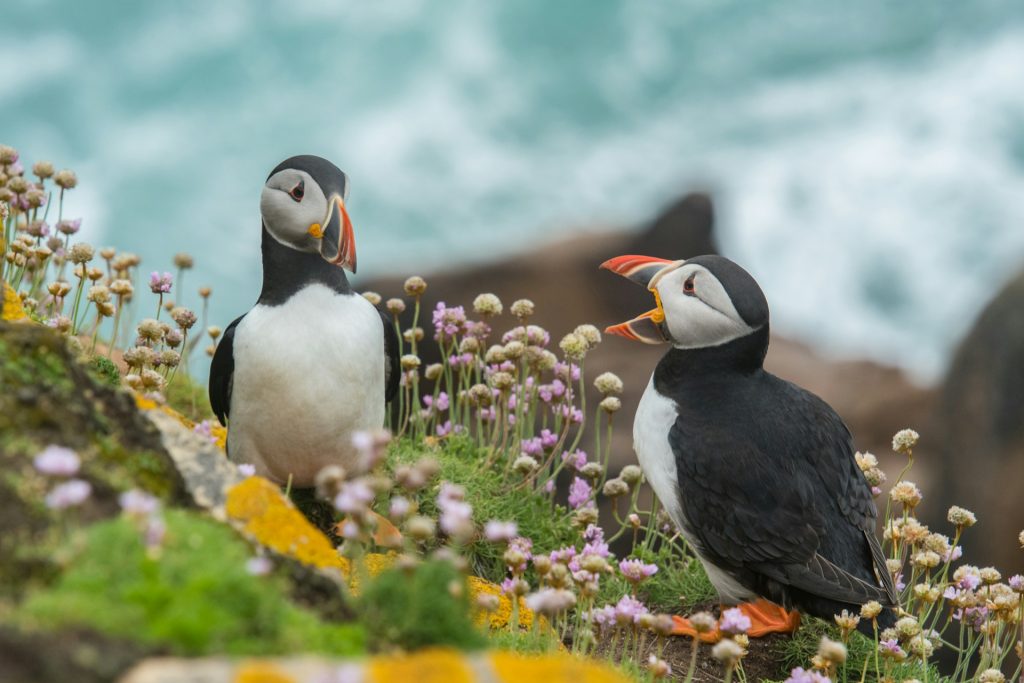
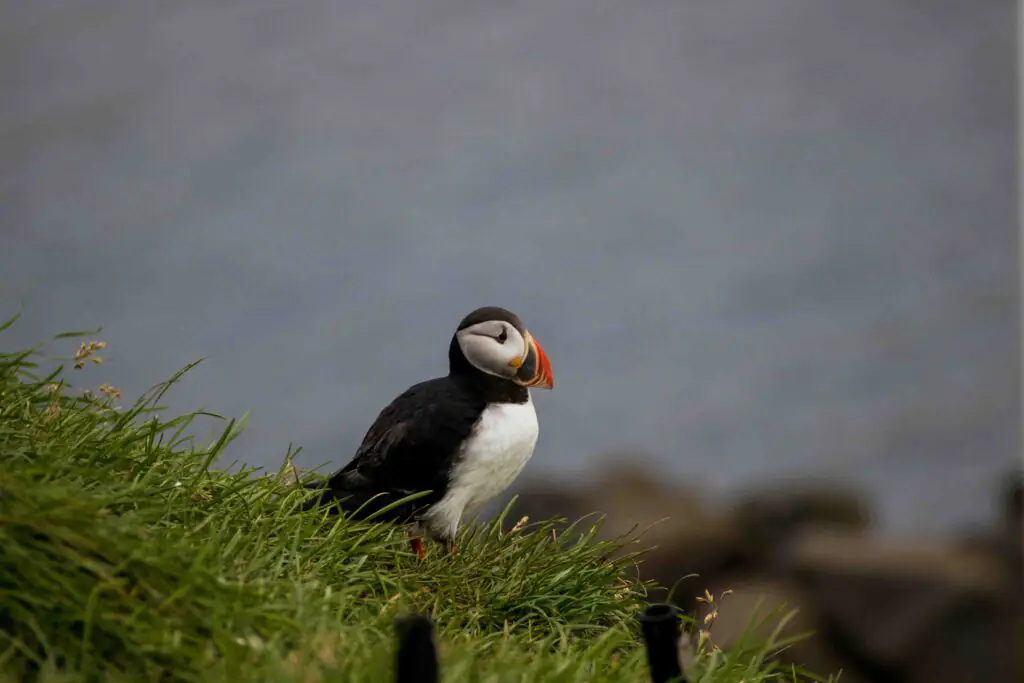
The Atlantic puffin is undoubtedly Iceland’s most recognisable bird and one of the country’s biggest wildlife attractions.
Every year, around 8 to 10 million puffins arrive in Iceland between late April and early May after spending the winter at sea. Iceland is home to roughly 60% of the world’s Atlantic puffin population, making it one of the best places anywhere to see these colorful seabirds.
Puffins spend the summer nesting in grassy cliffs where they raise a single chick before returning to the open ocean around late August and early September.
Best places to see puffins in Iceland
- Látrabjarg Cliffs
- Dyrhólaey
- Vestmanneyjar (Westman Islands)
- Breiðafjörður
- Borgarfjörður Eystri (East Iceland)
- Ingólfshöfði Nature Reserve
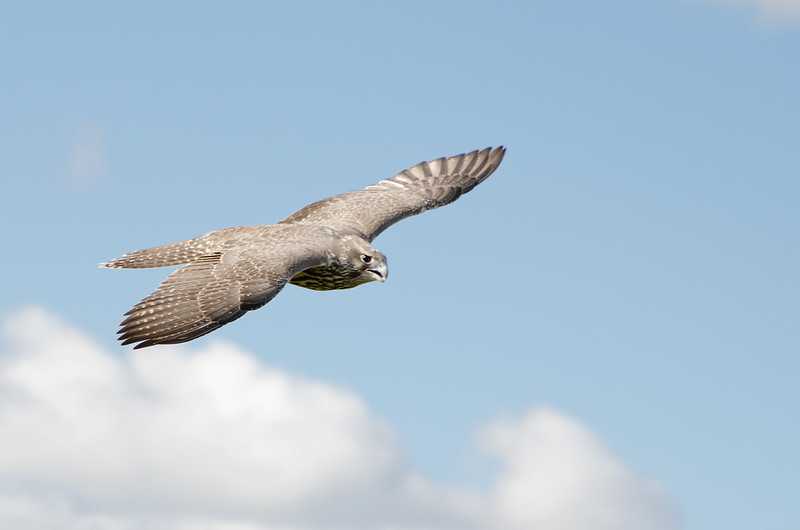
The Gyrfalcon – Iceland’s National Bird
The gyrfalcon is Iceland’s national bird and the largest falcon species on Earth. These impressive predators can be seen throughout Iceland, although sightings are never guaranteed.
Popular areas include:
- Lake Mývatn
- Snæfellsnes Peninsula
- Þingvellir National Park
- North Iceland
The Ravens – Iceland’s Legendary Birds
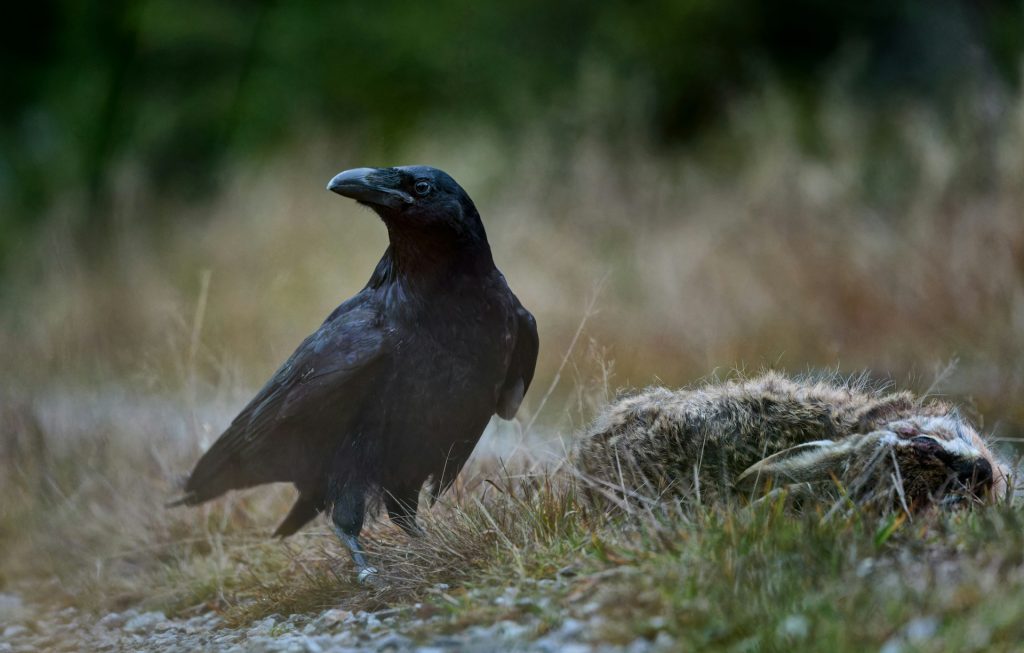
Few birds are as closely connected to Icelandic history as the raven.
Known from Norse mythology as Huginn and Muninn, Odin’s legendary companions, ravens symbolize wisdom, intelligence, and memory.
Unlike many migratory birds, ravens live in Iceland year-round and can be seen almost everywhere, from Reykjavík to remote volcanic cliffs.
Other Birds You May See in Iceland
While puffins often steal the spotlight, Iceland is home to dozens of fascinating bird species, including:
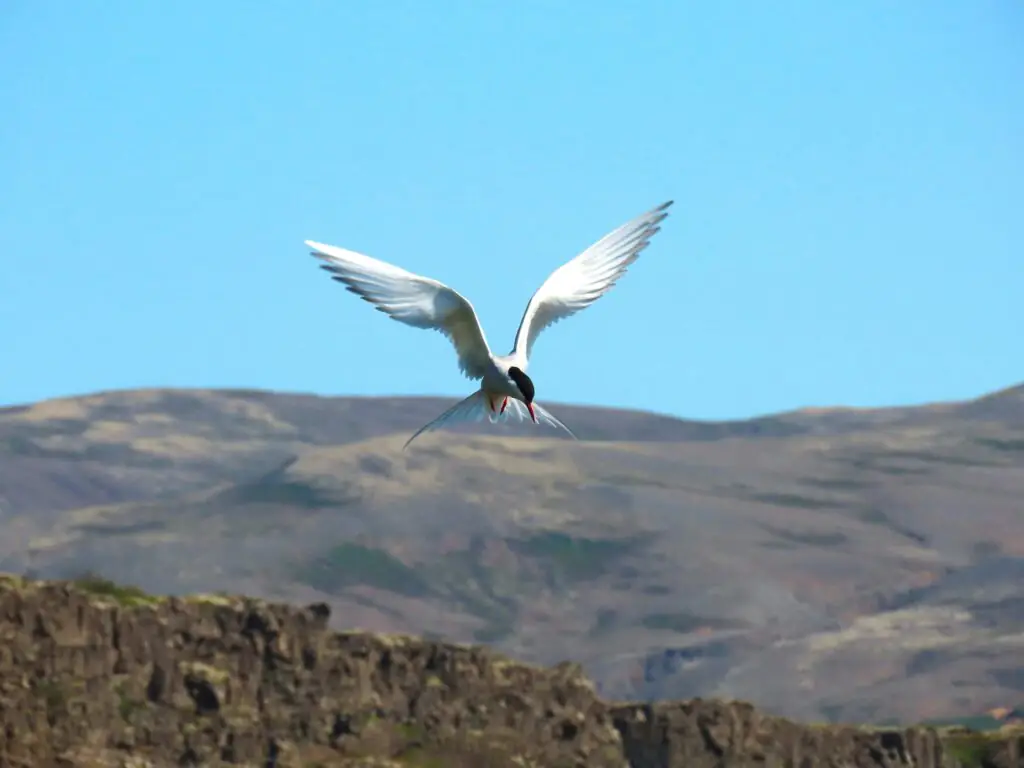
- Arctic Tern
- Whooper Swan
- White-tailed Eagle
- Common Eider
- Golden Plover
- Rock Ptarmigan
- Harlequin Duck
- Common Guillemot
- Razorbill
- Fulmar
- Black-legged Kittiwake
- Red-necked Phalarope
- Snow Bunting
- Snowy Owl (rare)
Lake Mývatn alone is home to one of Europe’s richest duck populations.
Best Birdwatching Locations in Iceland
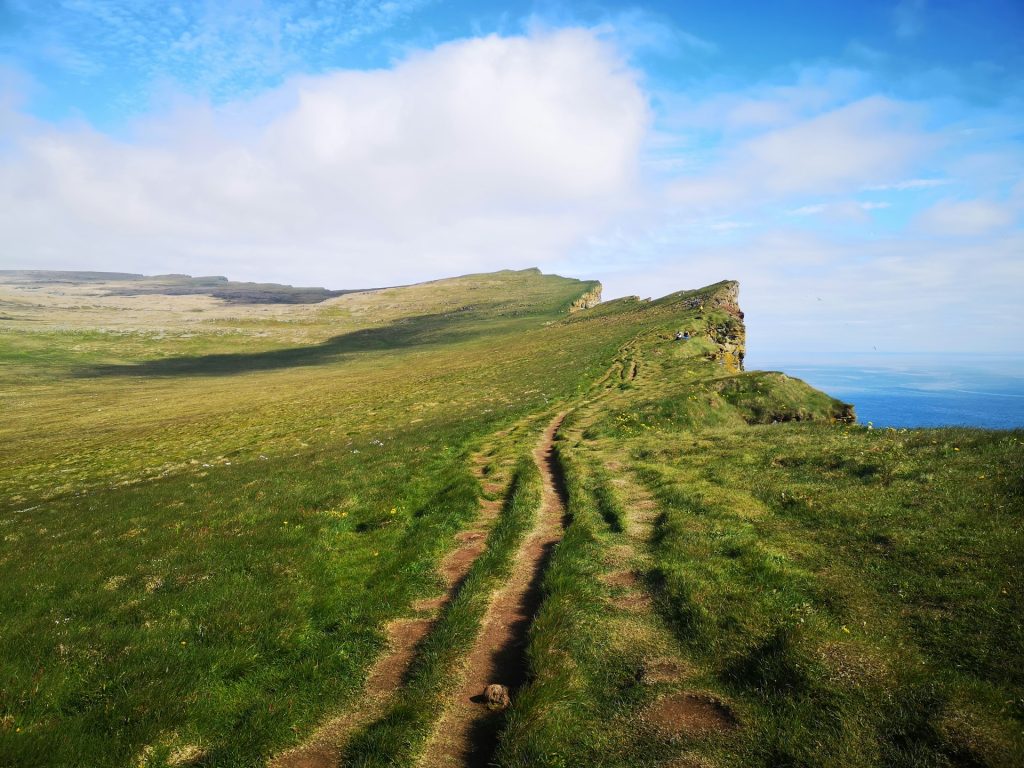
Látrabjarg Cliffs
Europe’s largest bird cliffs stretch for approximately 14 kilometers along the edge of the Westfjords.
Every summer, millions of birds nest here, including:
- Puffins
- Guillemots
- Razorbills
- Fulmars
- Kittwakes
The cliffs rise almost 440 meters (1,450 feet) above the Atlantic Ocean, offering spectacular views.
Lake Mývatn
Lake Mývatn is one of Europe’s freshwater bird habitats.
Bird species commonly seen include:
- Harlequin Ducks
- Whooper Swans
- Gyrfalcons
- Arctic Terns
- Tufted Ducks
- Barrow’s Goldeneye
- Long-tailed Ducks
The surrounding volcanic scenery makes this one of Iceland’s most rewarding wildlife destinations.
Dyrhólaey
Located along Iceland’s South Coast, Dyrhólaey offers some of the easiest puffin viewing in the country during summer.
Besides puffins, visitors often spot:
- Fulmars
- Arctic Terns
- Guillemots
The dramatic sea arch and black sand beaches make it one of Iceland’s most photographed locations.
The Snæfellsnes Peninsula
Often called “Iceland in Miniature,” Snæfellsnes combines lava fields, cliffs, beaches, glaciers, and fishing villages into one incredible region.
Birdwatchers regularly spot:
- Puffins
- White-tailed Eagles
- Ravens
- Gyrfalcons
- Arctic Terns
- Golden Plovers
- Razorbills
- Fulmars
The peninsula is also much easier to access than the Westfjords, making it ideal for shorter trips.
Vestmanneyjar (Westman Islands)
The Westman Islands are home to world’s largest Atlantic puffin colony.
Visitors can reach the islands by ferry from Landeyjahöfn, where summer boat tours offer fantastic opportunities to photograph puffins from the sea.
Self-Drive Birdwatching in Iceland
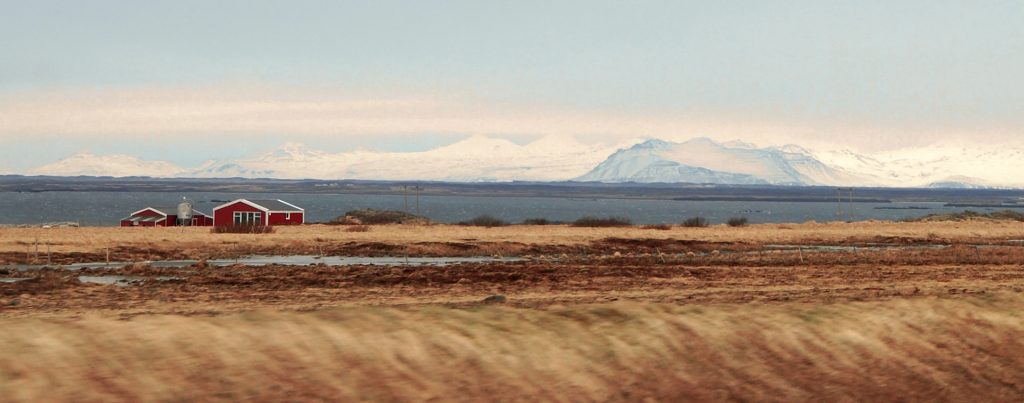
One of the biggest advantages of renting a car in Iceland is the freedom to explore multiple birdwatching locations in one trip.
A self-drive itinerary allow you to:
- Visit bird colonies early in the morning
- Stay longer when wildlife is active
- Stop whenever you spot birds
- Reach remote nature reserves
- Combine birdwatching with waterfalls, glaciers, volcanoes, and black sand beaches
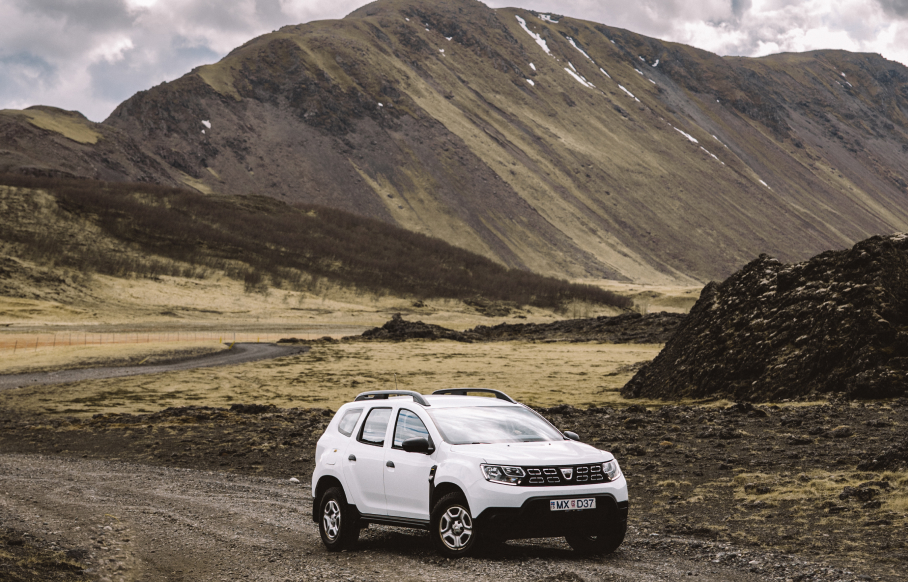
Most destinations can be reached with a standard 2WD during summer, while a cheap 4×4 rental is recommended for rougher gravel roads or longer adventures in the Westfjords.
Best Time for Birdwatching in Iceland
| Season | Birdwatching Highlights |
| April | Migratory birds begin arriving |
| May | Puffins arrive and nesting season begins |
| June | Peak breeding season and Midnight Sun |
| July | Best overall month for birdwatching |
| August | Puffin chicks leave nests late in the month |
| September | Most migratory birds depart |
| Winter | Ravens, ptarmigans, gyrfalcons and whooper swans remain |
The best months for birdwatching in Iceland are May through August.
Practical Tips for Birdwatching in Iceland: Best Times and Seasons for Birdwatching
The best time of year for bird watching in Iceland is summer, when almost all of the country’s bird species are present. By late May, all of the summering birds have arrived and won’t start to migrate away until September.
Those who rent a car for birdwatching will be well rewarded as it provides the ability to follow bird migrations across the different regions of Iceland. Some bird species head to their wintering sites in South Iceland in the colder months!
Birdwatching Packing List
Bring the following essentials:
- Binoculars
- Field guides
- Gloves
- Warm hat
- Sunglasses
- Waterproof jacket
- Wool socks
- Thick coat
- Sweater
- Thermal underlayer
- Waterproof boots
- A good waterproof backpack is also useful
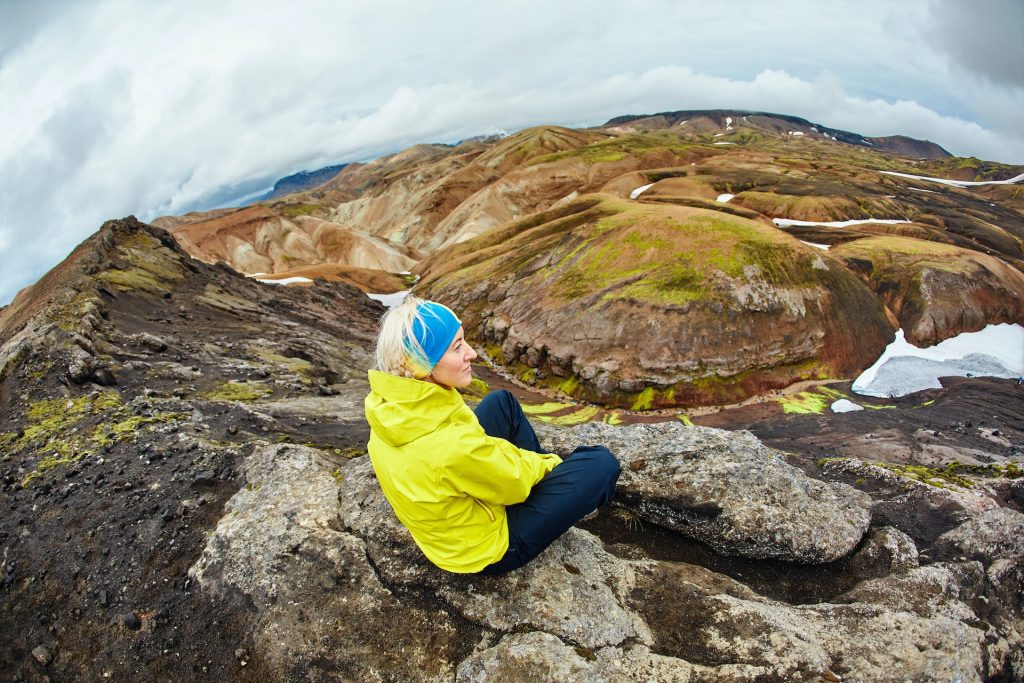
Even during summer, Iceland’s weather can change quickly.
Birdwatching Safety Tips
Always remember to protect yourself and Iceland’s wildlife.
- Stay well back from cliff edges.
- Never disturb nesting birds.
- Keep at least 25 meters (75 feet) away from colonies whenever possible.
- Stay on marked walking paths.
- Watch for aggressive Arctic terns during nesting season.
- Be cautious of strong coastal winds.
- Never turn your back on the ocean near cliffs and beaches.
- Check road and weather conditions before traveling.
Responsible wildlife viewing helps preserve Iceland’s unique bidlife for future generations.
Why Rent a Car for Birdwatching in Iceland?
A rental car gives you complete flexibility to explore Iceland’s incredible wildlife at your own pace.
With Firefly Iceland, you’ll enjoy:
- Cheap car rental in Iceland
- Cheap 4×4 rental options
- Flexible travel itinerary
- Reliable vehicles for Icelandic roads
Whether you’re searching for puffins in the Westfjords, ducks at Lake Mývatn, or eagles around Snæfellsnes, having your own vehicle allows you to experience far more than guided day tours alone.
Frequently Asked Questions
- When is the best time to see puffins in Iceland?
Puffins usually arrive in late April and remain until late August or early September. June and July are generally the best months for viewing large colonies.
- Is Iceland good for birdwatching?
Absolutely, Iceland is considered one of Europe’s top birdwatching destinations thanks to its seabird colonies, migratory birds, wetlands, and dramatic coastal habitats.
- Do I need a 4×4 for birdwatching in Iceland?
Not always. Many birdwatching sites are accessible with a standard 2WD during summer. However, a 4×4 is recommended for destinations involving rough gravel roads, such as parts of the Westfjords or remote areas.
- What birds stay in Iceland year-round?
Ravens, rock ptarmigans, gyrfalcons, white-tailed eagles, and whooper swans among the birds that can often be seen throughout the year.
- Can I combine birdwatching with other Iceland attractions?
Yes. Many birdwatching hotspots are close to waterfalls, glaciers, black sand beaches, geothermal areas, volcanoes, and national parks, making them easy to include in a Ring Road itinerary.
- Is birdwatching suitable for families?
Yes. Many birdwatching locations have short walking trails and excellent viewing areas, making them suitable for visitors of all ages. Children especially enjoy seeing puffins up close during summer.
Conclusion
Birdwatching in Iceland is one of the country’s most rewarding wildlife experiences. Whether you’re hoping to photograph colourful Atlantic puffins, spot the majestic gyrfalcon soaring overhead, or simply enjoy the sounds of thousands of seabirds nesting along dramatic coastal cliffs, Iceland offers unforgettable opportunities for every nature lover.
With your own rental car, you can travel beyond the typical tourist stops and discover birdwatching locations across the South Coast, Snæfellsnes Peninsula, Lake Mývatn, the Westfjords, and many other remote corners of the country. The flexibility of a self-drive trip means you can follow the best weather, spend more time at your favorite locations, and enjoy Iceland’s incredible landscapes at your own pace.