Iceland is famous for its glaciers, volcanoes, waterfalls, and dramatic landscapes, but it is also home to some of the most fascinating wildlife in Europe. From colorful puffins nesting along towering sea cliffs to whales breaching in the North Atlantic and Arctic foxes roaming remote wilderness areas, wildlife encounters are a highlight of any trip to Iceland.
While the country’s harsh environment may seem challenging for animals, Iceland’s unique ecosystems support a surprising variety of species. Visitors can spot whales, seals, reindeer, seabirds, Icelandic horses, and many other animals throughout the year.
Whether you’re planning a summer road trip around the Ring Road or a winter adventure in search of reindeer and orcas, this guide covers the best wildlife in Iceland, where to find it, and the best time of year to see each species.

What Wildlife Can You See in Iceland?
Although Iceland is located close to the Arctic Circle, it offers incredible wildlife viewing opportunities. Some animals are native to Iceland, while others were introduced by settlers centuries ago. The island’s coastal waters are particularly rich in marine life, making Iceland one of Europe’s best destinations for whale watching and seabird spotting.
Here are some of the most popular animals you can see in Iceland.
| Animal | Best Location | Best Season |
| Arctic Fox | Hornstrandir, Westfjords | Summer |
| Puffins | Dyrhólaey, Látrabjarg, Vestmanneyjar | May-August |
| Whales | Húsavík, Snæfellsnes | April-October |
| Seals | Ytri Tunga, Hvammstangi | Year-round |
| Reindeer | Eastfjords | Winter |
| Icelandic Horses | Throughout Iceland | Year-round |
| Artic Terns | Coastal Iceland | Summer |
| Orcas | Snæfellsnes Peninsula | Winter |
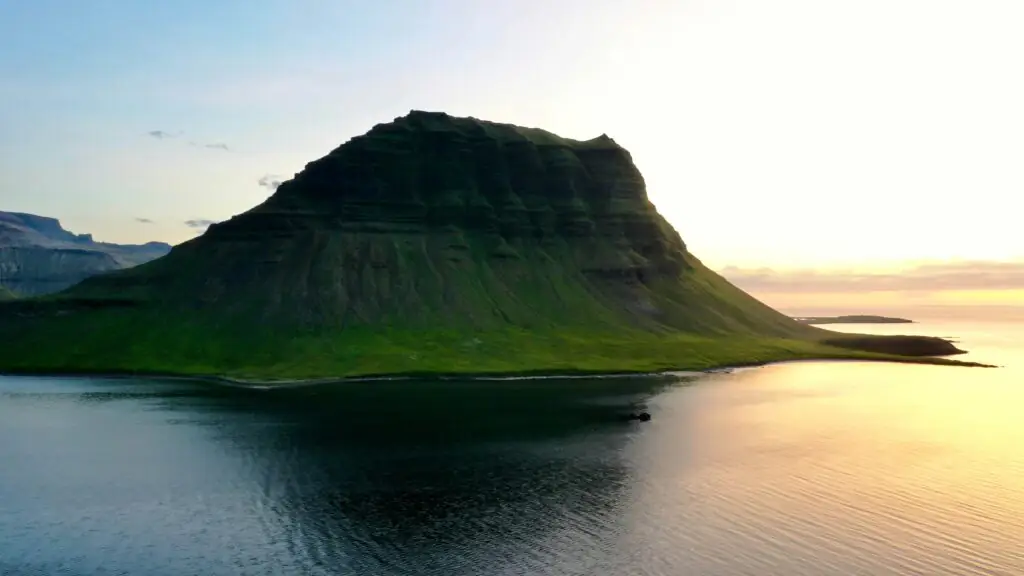
Land Mammals of Iceland
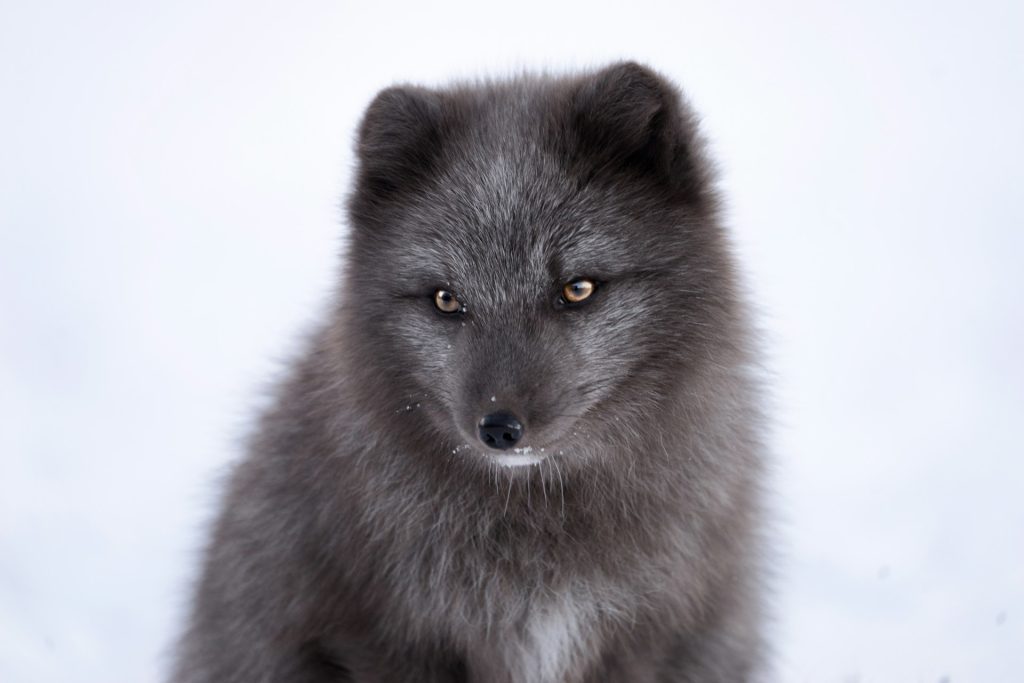
The Arctic Fox: Iceland’s Only Native Land Mamma!
The Arctic fox is the only native land mammal in Iceland. These remarkable animals arrived naturally during the last Ice Age, crossing frozen sea ice from Greenland. Today, they can be found throughout the country, although sightings are most common in remote regions.
The best place to see Arctic foxes in Iceland is the Hornstrandir Nature Reserve in the Westfjords. Because there are no permanent residents in the reserve, foxes are often less fearful of humans than elsewhere in the country.
The Westfjords are also one of Iceland’s most rugged regions. If you plan to explore the area extensively, especially outside the main roads, a 4×4 vehicle is recommended.
The Icelandic Horse
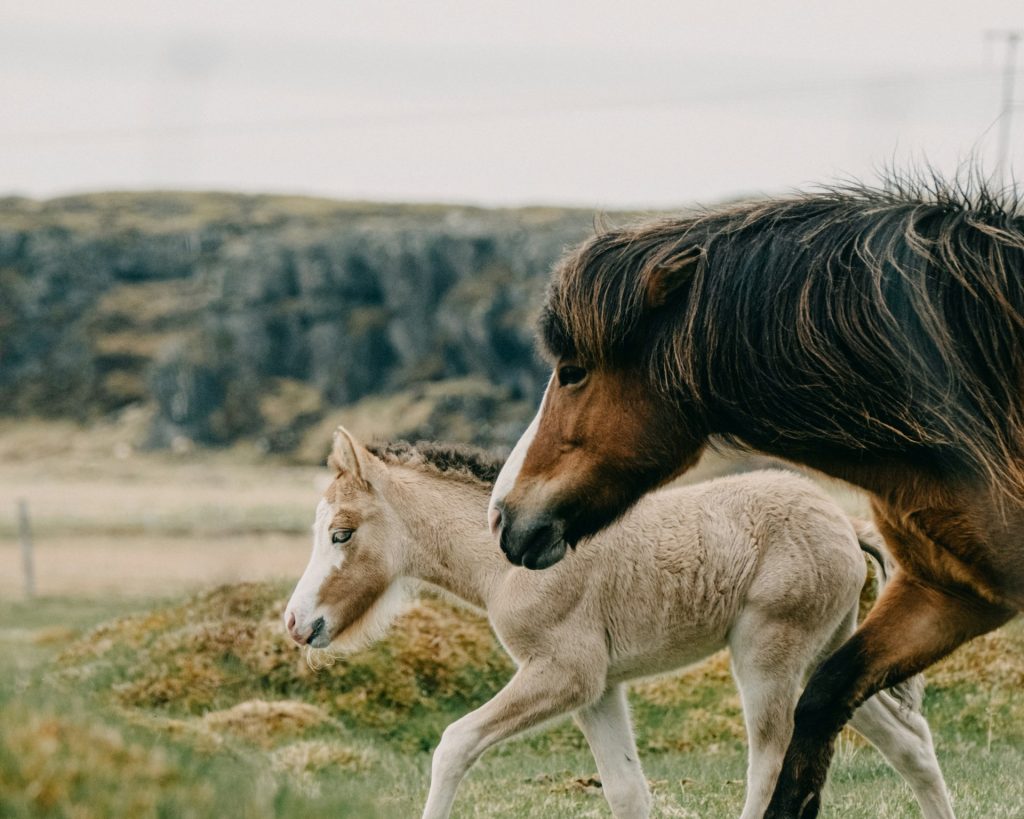
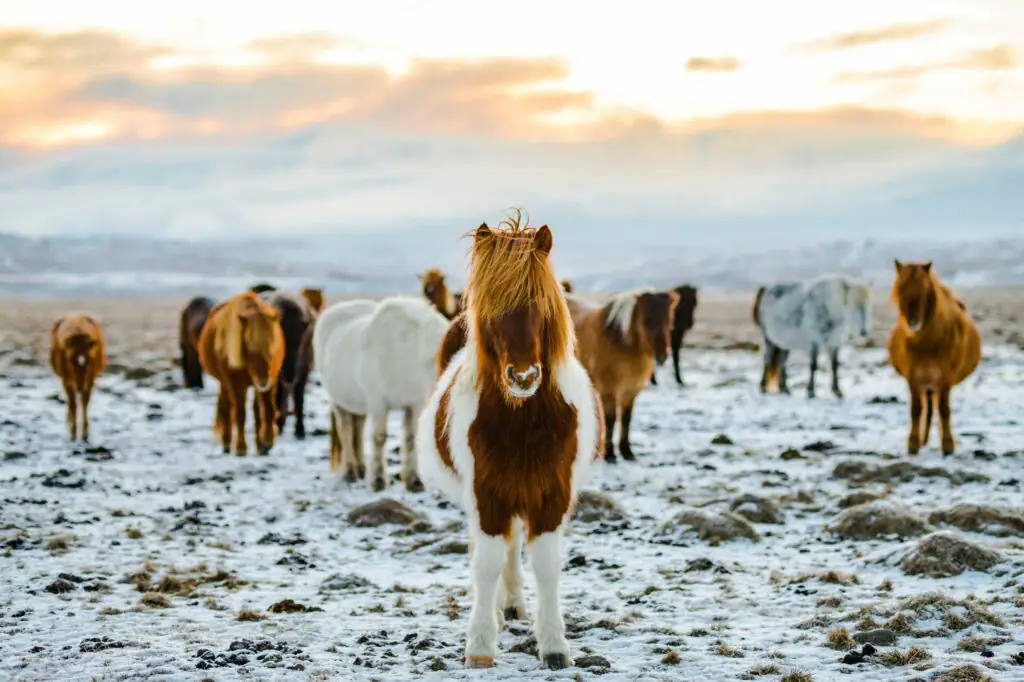
One of the most recognizable animals in Iceland is the Icelandic horse. Brought to the island by Viking settlers more than 1,000 years ago, the breed has remained genetically isolated ever since.
Icelandic horses are smaller than many other horse breeds but are known for their strength, friendly temperament, and unique gaits called the tölt and skeið.
You’ll see Icelandic horses throughout the countryside, particularly along the Ring Road, where they often graze in open fields with stunning mountain backdrops.
Icelandic Sheep
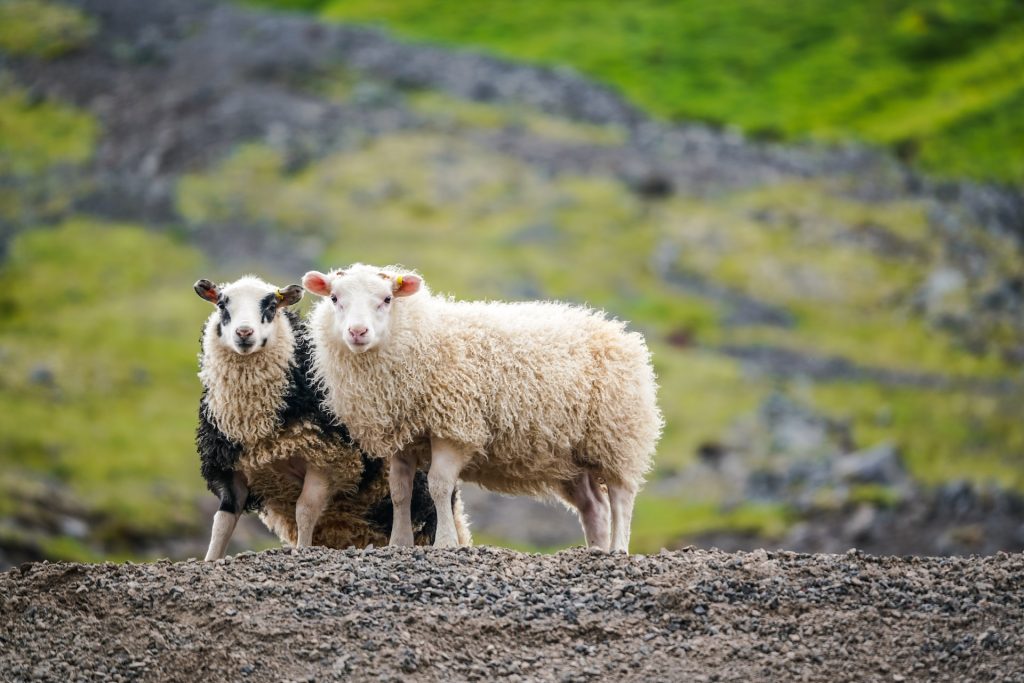
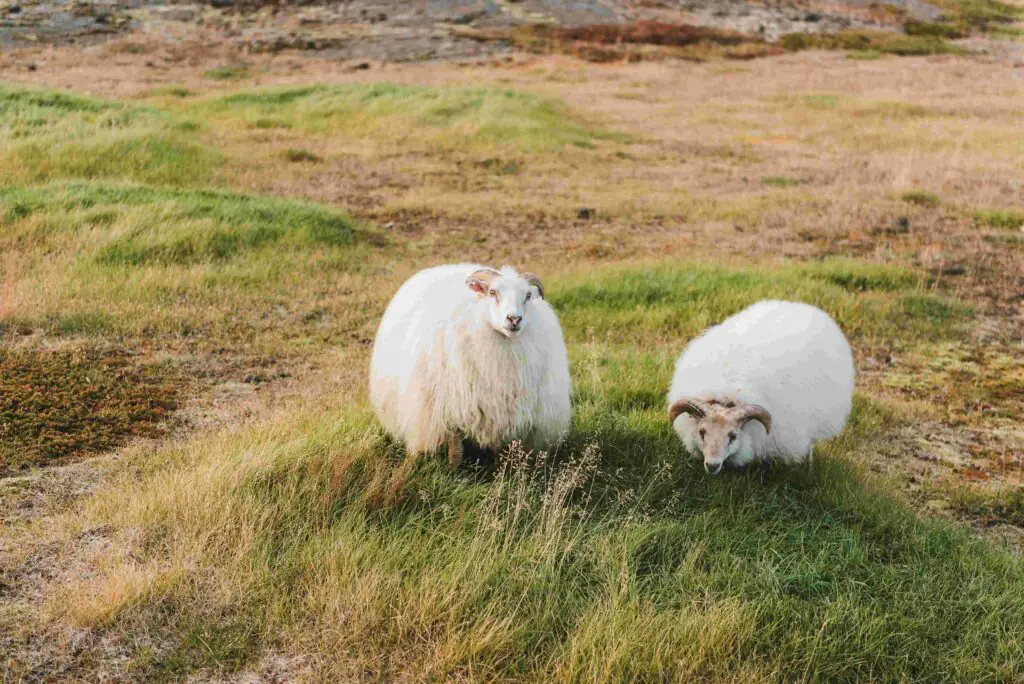
There are more sheep than people in Iceland, making them one of the easiest animals to spot during your trip.
Every summer, thousands of sheep roam freely across Iceland’s mountains and valleys before being rounded up in autumn. Icelandic sheep have adapted well to the country’s climate and are known for their thick dual-layer wool coat.
Reindeer in Iceland
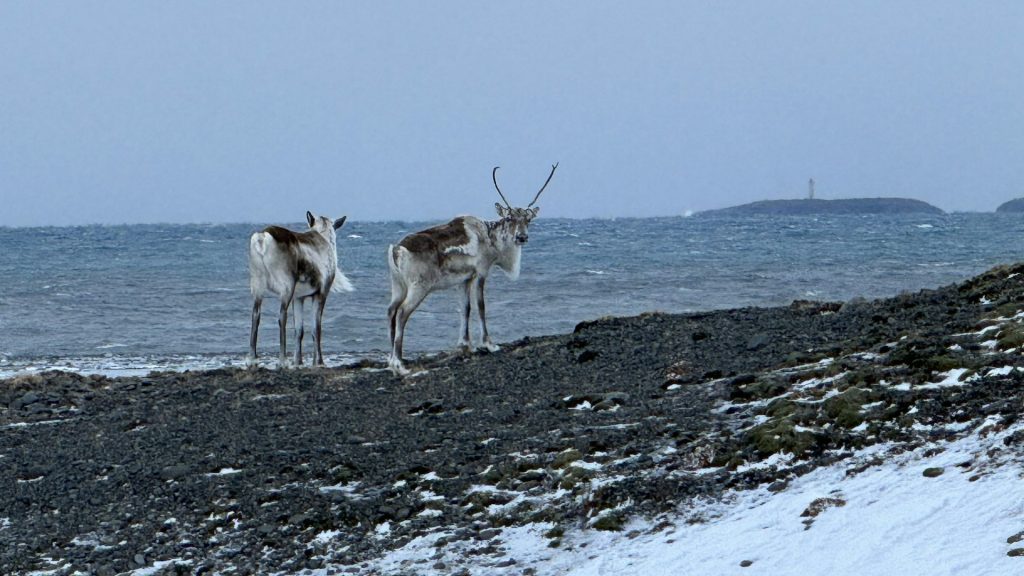
Many visitors are surprised to learn that Iceland has wild reindeer. Originally introduced from Norway in the 18th century, reindeer now live exclusively in East Iceland.
The best time to see reindeer is during winter when they descend from higher elevations in search of food. Drivers exploring the Eastfjords may occasionally spot herds grazing near roads or settlements.
Marine Mammals of Iceland
Whale Watching in Iceland
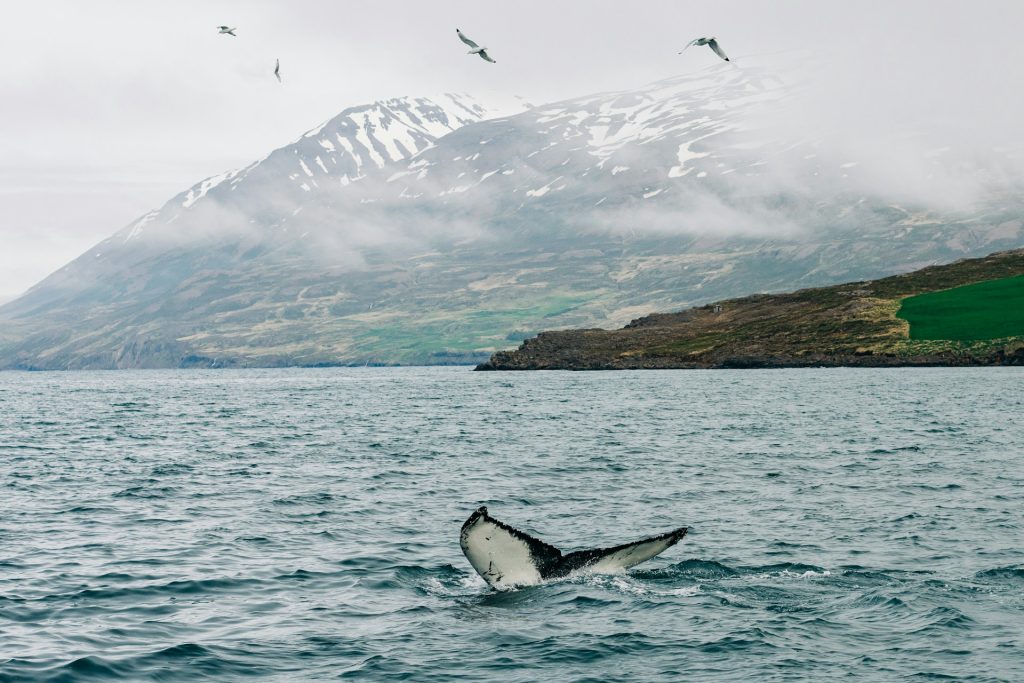
Whale watching is one of the most popular activities in Iceland. More than 20 species of whales have been recorded in Icelandic waters, making the country one of the best whale watching destinations in Europe.
Common species include:
- Humpback whales
- Minke whales
- White-beaked dolphins
- Harbor porpoises
More elusive such as blue whales, sperm whales, and killer whales can also be spotted under the right conditions.
Best Places for Whale Watching in Iceland
Húsavík
Known as Iceland’s whale watching capital, Húsavík offers some of the highest whale sighting rates in the country.
Snæfellsnes Peninsula
The Snæfellsnes Peninsula is particularly famous for winter sightings of killer whales, also known as orcas.
The whale watching season typically runs from April through October, with June, July, and August offering the best conditions.

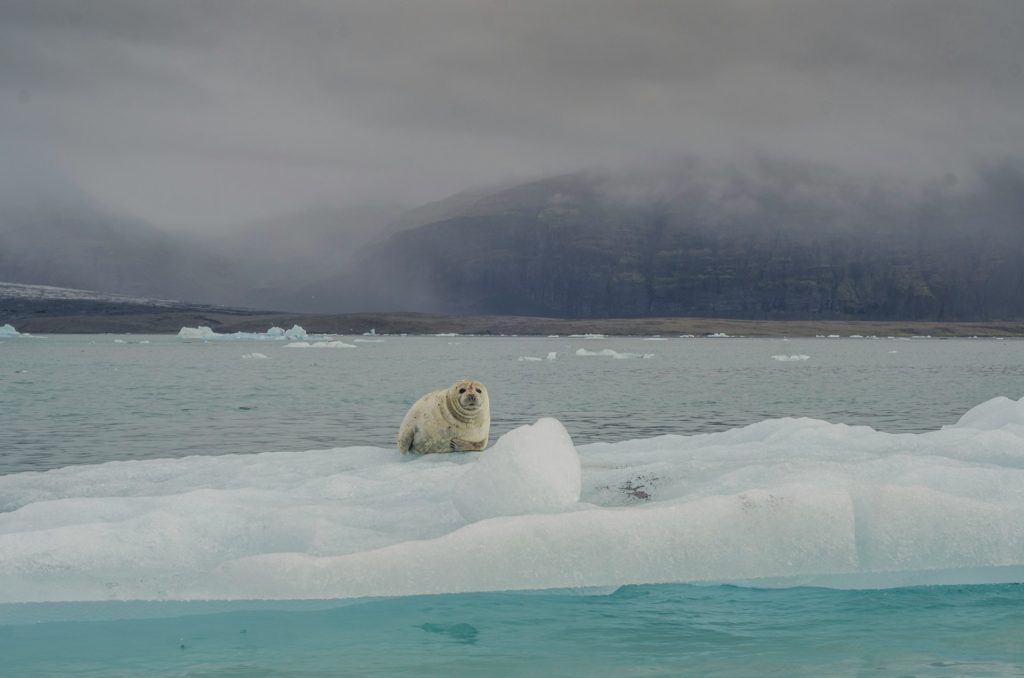
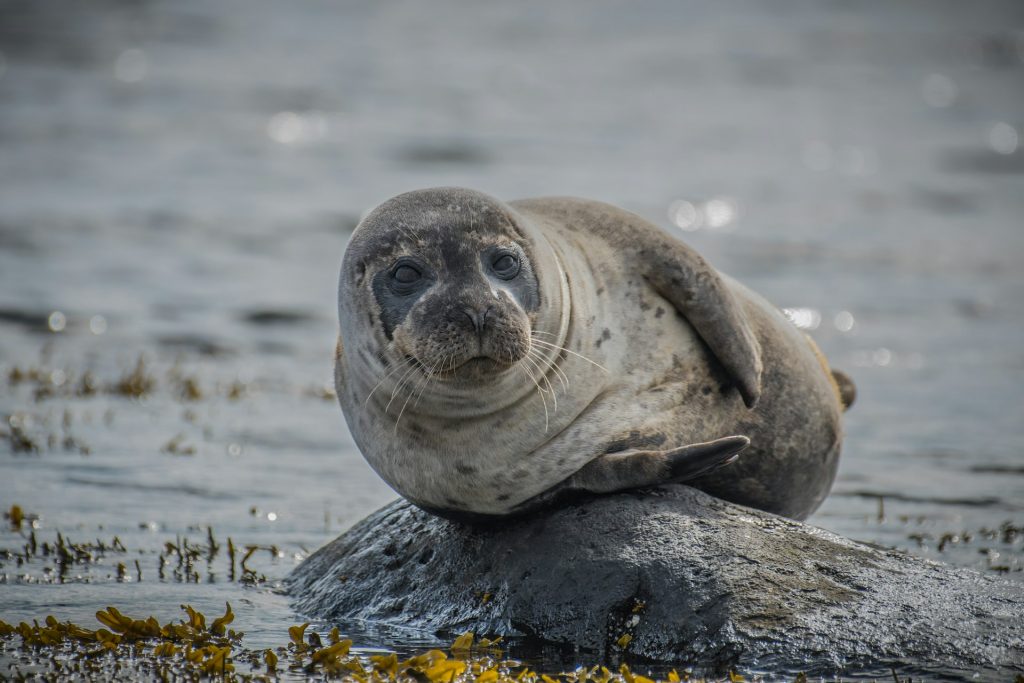
Seals in Iceland
Iceland is home to two seal soecies:
- Harbor seals
- Grey seals
One of the best places to see seals in Iceland is Ytri Tunga Beach on the Snæfellsnes Peninsula. Unlke most Icelandic beaches, Ytri Tunga features golden sand and regularly attracts large groups of seals.
Another excellent location is Hvammstangi in North Iceland, home to the Icelandic Seal Center and several seal viewing areas.
Birds of Iceland
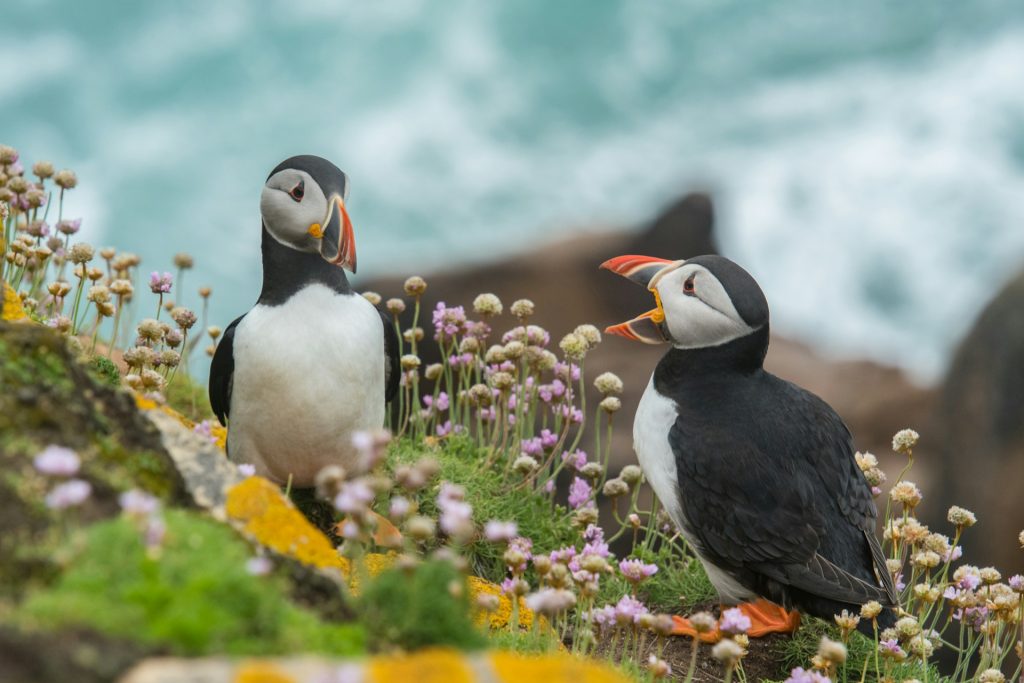
Puffins in Iceland
The Atlantic puffins is undoubtedly Iceland’s most famous bird. Every summer, millions of puffins arrive to breed on Iceland’s coastal cliffs and offshore islands.
Their colorful breaks and comical appearance make them a favorite among photographers and wildlife enthusiasts.
Best Places to See Puffins in Iceland
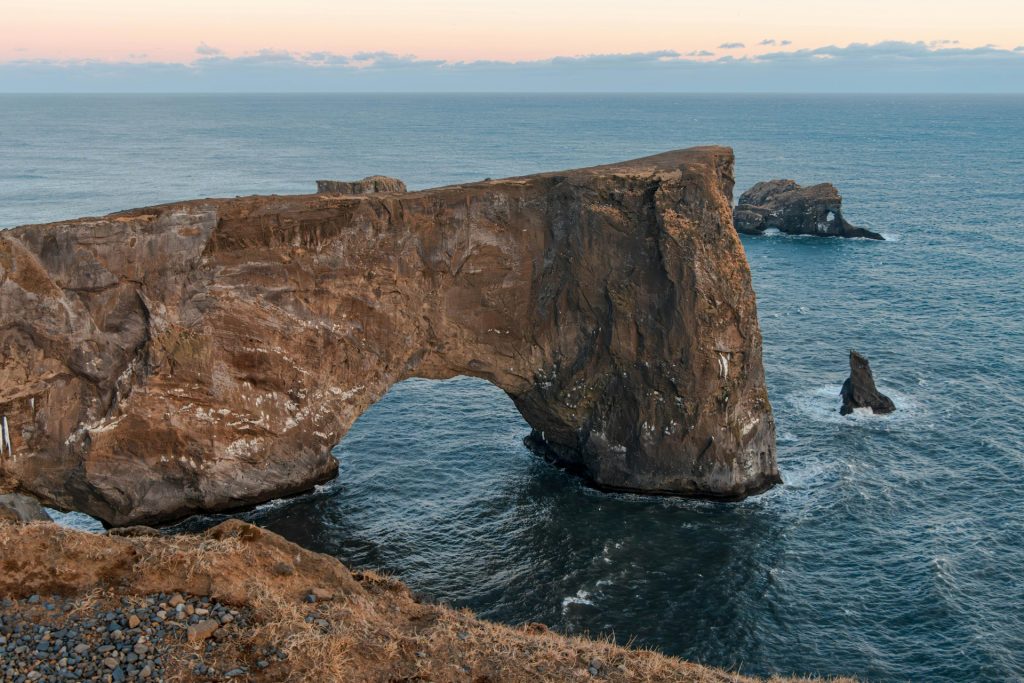
Dyrhólaey
Located on Iceland’s South Coast, Dyrhólaey is one of the easiest puffin viewing locations to access.
Látrabjarg Cliffs
Situated in the Westfjords, Látrabjarg is one of Europe’s largest bird cliffs and hosts huge numbers of puffins during summer.
Vestmanneyjar (Westman Islands)
The Westman Islands are considered one of Iceland’s most important puffin breeding grounds and offer excellent viewing opportunities.
The best time to see puffins in Iceland is from May through August.
Other Bird Species in Iceland
Although puffins attract most of the attention, Iceland is home to many other bird species, including:
- Arctic terns
- Golden plovers
- Rock ptarmigans
- Snowy owls
- Gyrfalcons
- White-tailed eagles
Birdwatchers visiting the Westfjords and Eastfjords often enjoy some of the country’s best birding opportunities.
Wildlife Regions of Iceland
Westfjords
The Westfjords are among the best wildlife destinations in Iceland, offering opportunities to see Arctic foxes, puffins, seals, and countless seabirds.
North Iceland
North Iceland is famous for whale watching around Húsavík and seal colonies along the northern coastline.
East Iceland
The Eastfjords are the only place in Iceland where wild reindeer live.
South Iceland
South Iceland offers easy access to puffin colonies, seals, and diverse birdlife along the coast.
Best Time to See Wildlife in Iceland
Summer is generally considered the best season for wildlife viewing in Iceland. Puffins, whales, seabirds, horses, and sheep are all highly visible during the warmer months.
Winter also offers unique opportunities. Visitors may spot reindeer in East Iceland and orcas around the Snæfellsnes Peninsula.
Affordable Rental Car Recommendations for Wildlife Spottin
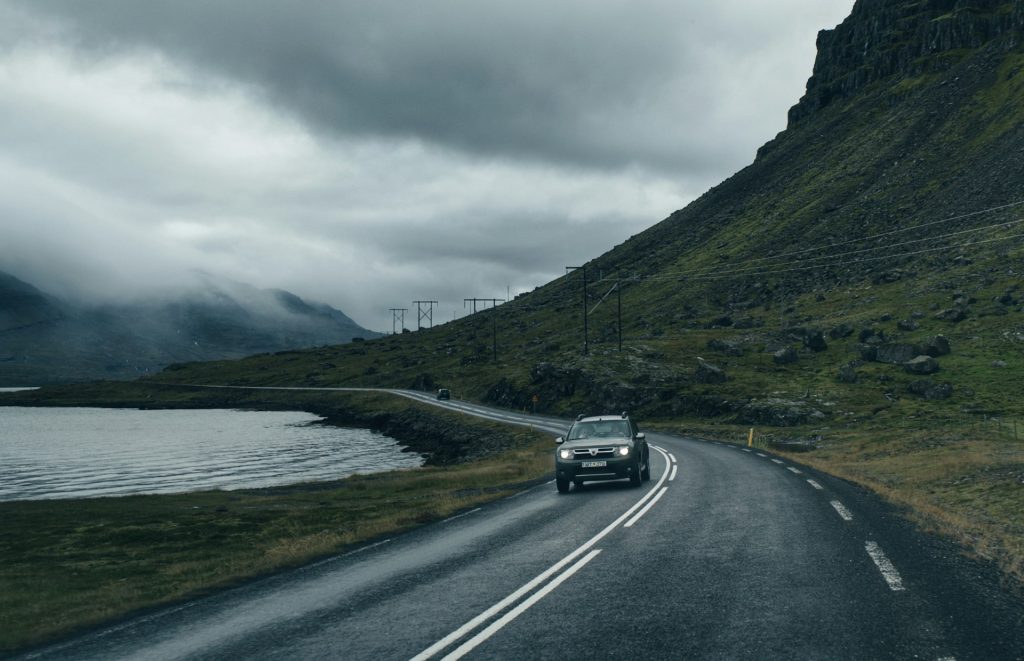
Having your own vehicle is one of the best ways to explore Iceland’s wildlife. It allows you to stop whenever you spot animals, visit remote viewing areas, and travel at your own pace.
During summer, a 2WD vehicle is suitable for many wildlife destinations along the Ring Road. For winter travel or remote regions such as the Westfjords, a 4×4 vehicle is recommended for additional traction and stability.
Firefly Iceland offers cheap rental cars for both summer and winter adventures, helping travelers experience Iceland’s incredible wildlife without stretching their budget.
Wildlife Safety and Preservation
When observing wildlife in Iceland:
- Never approach wild animals.
- Keep a safe distance.
- Stay on marked paths.
- Avoid disturbing nesting birds.
- Use binoculars instead of getting closer.
- Respect local conservation rules.
Protecting Iceland’s wildlife helps preserve these incredible experience for future visitors.
Frequently Asked Questions About Wildlife in Iceland
- What animals are native to Iceland?
The arctic fox is the only native land mammal in Iceland.
- Can you see polar bears in Iceland?
Polar bears are not native to Iceland. Rare sightings occasionally occur when bears drift from Greenland on sea ice.
- Where can I see puffins in Iceland?
Dyrhóley, Látrabjarg, and the Westman Islands are among the best puffin viewing locations.
- What is the best time to see whales in Iceland?
April through October is the whale watching season, with summer offering the highest chances of sightings.
- Are there reindeer in Iceland?
Yes. Wild reindeer live in East Iceland and are most commonly seen during winter.
- Do I need a 4×4 to see wildlife in Iceland?
Many wildlife locations are accessible with a 2WD vehicle during summer. A 4×4 is recommended for winter travel and remote areas.
- Is Iceland good for wildlife photography?
Absolutely. Iceland is one of Europe’s top wildlife photography destinations thanks to its whales, puffins, Arctic foxes, seals, and dramatic natural landscapes.
Conclusion
Wildlife is one of the most rewarding aspects of visiting Iceland. Whether you’re watching humpback whales off the coast of Húsavík, photographing puffins at Dyrhólaey, spotting seals along the Snæfellsnes Peninsula, or searching for Arctic foxes in the Westfjords, there are unforgettable wildlife experiences waiting throughout the country.
With the freedom of a rental car, you can explore Iceland’s best wildlife destinations at your own pace and discover the incredible animals that call the Land of Fire and Ice home.