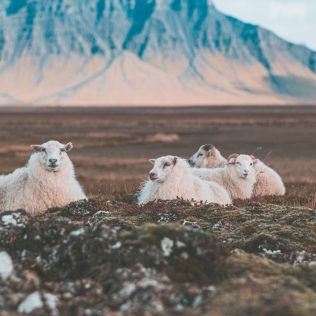
There can be more sheep than human in Iceland
Depending on the season, there are between 500,000 and 800.000 Icelandic sheep in the country. Even at their lowest population, sheep outnumber people nearly 2 to 1. If you are planning a self-drive trip in Iceland, you will almost certainly see them along the Ring Road and in rural areas.
These hardly animals are deeply connected to Iceland’s culture, cuisine, wool traditions, and countryside landscapes. Here is everything you need to know about Icelandic sheep, including when and where to see them on your Iceland road trip.
What Do Icelandic Sheep Look Like?
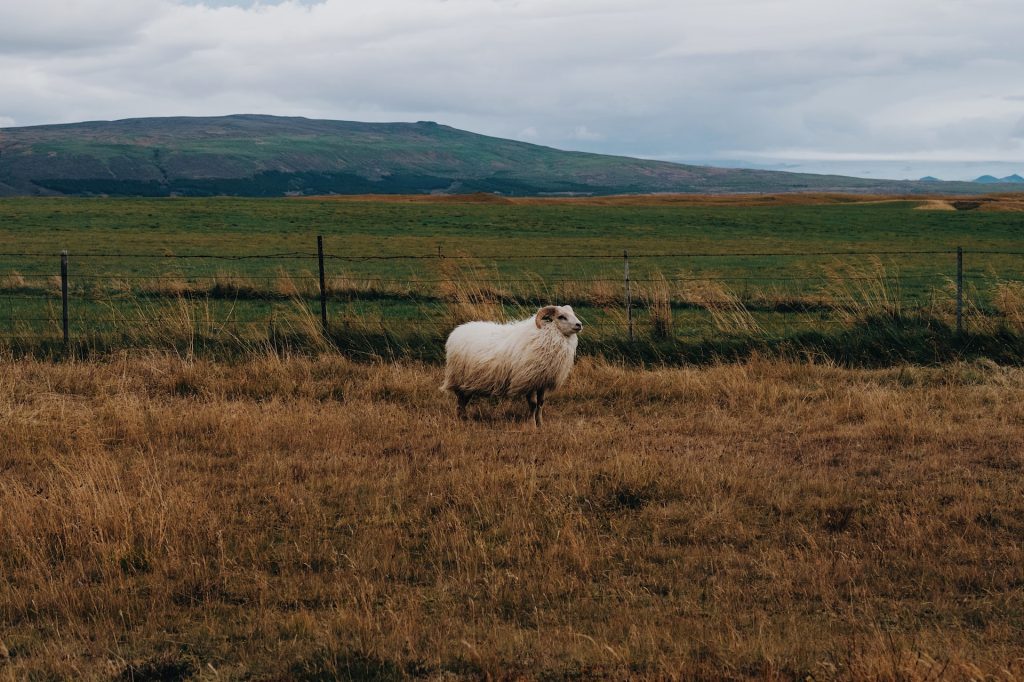
Icelandic sheep are one of the purest sheep breeds in the world. They were brought to Iceland by Viking settlers between the 9th and 10th centuries and have been genetically isolated ever since.
Because no other sheep breeds are allowed in Iceland, they have remained largely unchanged for over 1,000 years.
Key characteristics:
- Medium-sized mountain breed
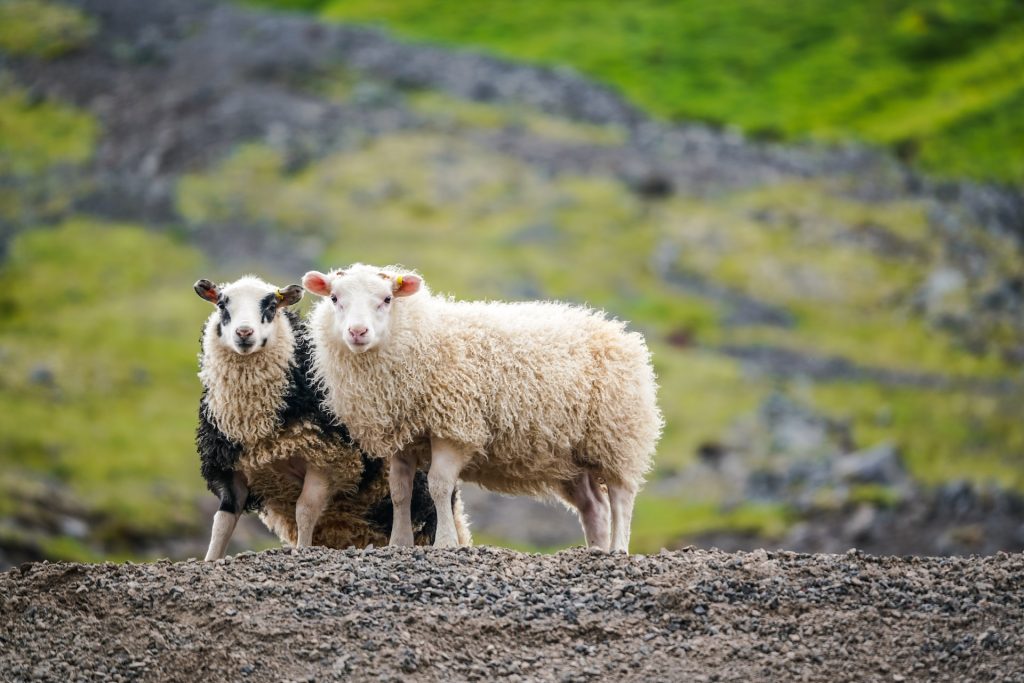
- Thick dual-layer fleece
- Colors range from white, black, brown, and grey
- Both rams and ewes can have horns
- Some sheep are polled, meaning hornless
Their wool is dual-coated:
- The outer layer is long and water resistant
- The inner layer is soft and insulating
This natural protection helps them survive Iceland’s harsh weather, strong winds, and cold winters.
What Are Icelandic Sheep Famous For?
Icelandic sheep are famous for three main things: wool, meat, and tradition.
1. Icelandic Wool and Lopapeysa Sweaters
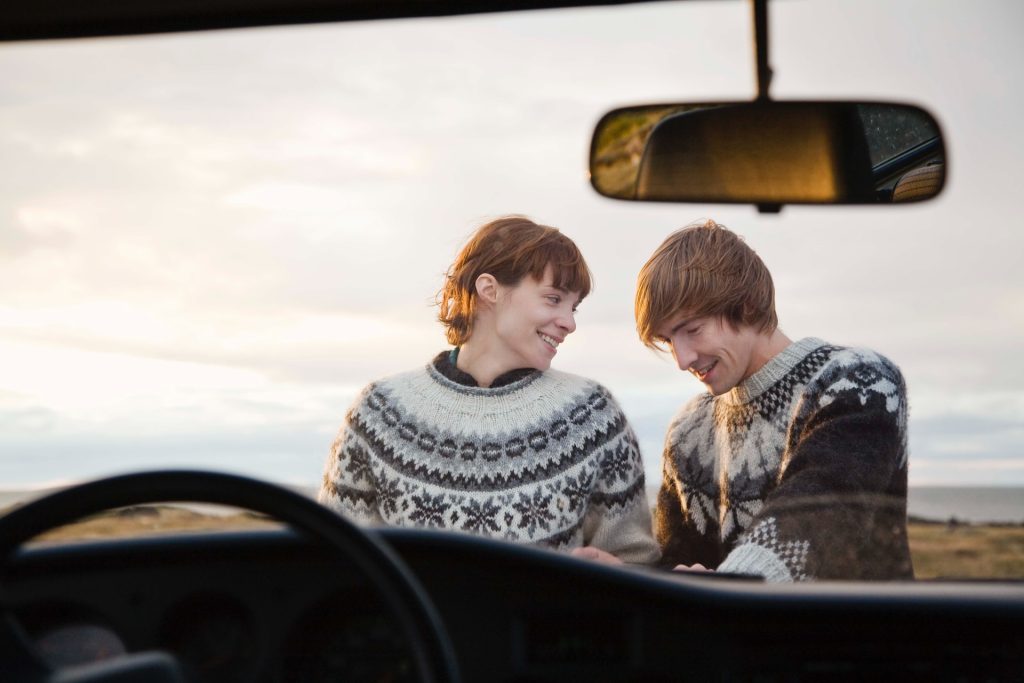
Icelandic wool is used to make the iconic lopapeysa sweater. These traditional Icelandic sweaters feature circular yoke patterns and are designed to handle cold, wet conditions.
The word lopapeysa refers to:
- Lopi, the unique unspun Icelandic wool
- Peysa, meaning sweater
These sweaters are warm, breathable, and naturally water resistant. You will see them in souvenir shops across Reykjavík and worn by locals throughout the country.
Other popular Icelandic wool products include:
- Wool socks
- Mittens
- Hats
- Blankets
For travelers, these make practical and authentic Iceland souvenirs.
2. Icelandic Lamb and Traditional Dishes
Most Icelandic sheep are raised for meat. Because they roam freely during summer and graze on wild herbs and grasses, Icelandic lamb is considered high quality and flavorful.
Popular traditional Icelandic dishes include:
- Kjötsúpa, Icelandic lamb soup
- Svið, boiled sheep’s head
- Smoked lamb
If you are road tripping around Iceland, you will find lamb soup at gas stations, local restaurants, and countryside cafés.
3. Sheep Milk in Iceland
Historically, sheep were used for milk production in Iceland. Before cows become more common, sheep’s milk was used to produce:
- Skyr
- Butter
- Cheese
Today, sheep milk production is rare, but some farms still produce limited batches. One example is Sauðagull in East Iceland, which visitors can tour during summer.
When is the Best Time to See Sheep in Iceland?
Summer: The Best Season
The best time to see sheep in Iceland is from late May through September.
During summer:
- Sheep roam freely across the countryside
- You will see them near roads and in open fields
- They graze in mountains and valleys
If you are driving the Ring Road or exploring rural regions like the Westfjords or East Iceland, sheep sightings are extremely common.
September: Réttir Sheep Roundup
If you want a uniquely Icelandic experience, visit during the Réttir
Réttir is the annual sheep roundup held in September. Farmers gather sheep from the highlands and sort them in traditional stone enclosures.
The event includes:
- Horseback roundups
- Community gatherings
- Celebratory dances called Réttarball
This is one of the most authentic cultural traditions in Iceland and offers incredible photo opportunities.
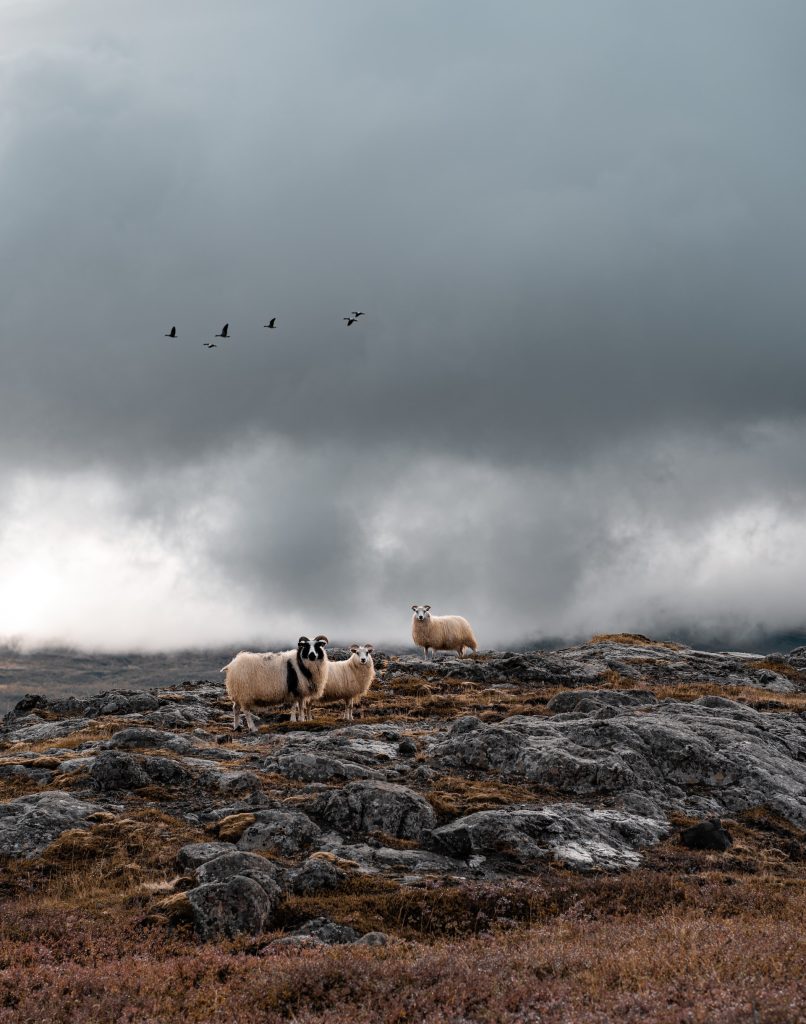
Where Can You See Sheep in Iceland?
You can see Icelandic sheep almost everywhere outside major towns.
Best areas include:
- The Ring Road countryside
- Snæfellsnes Peninsula
- Westfjords
- South Coast rural farms
- East Iceland mountain roads
If you are visiting in winter, most sheep are kept in barns, so sightings are less common.
The easiest way to see sheep in Iceland is by renting a car and exploring at your own pace.
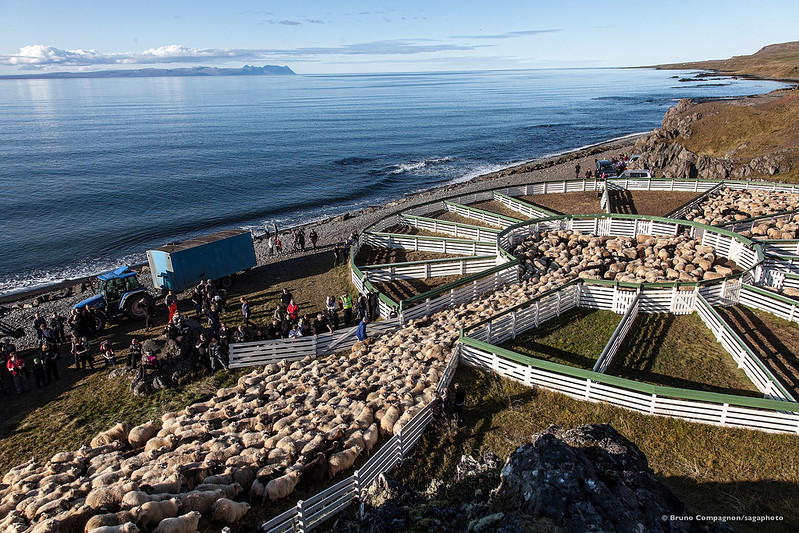
photo via Flickr user/ compagnonbruno
Safe Travel Tips for Seeing Icelandic Sheep
If you are planning a self-drive road trip in Iceland, sheep safety is important.
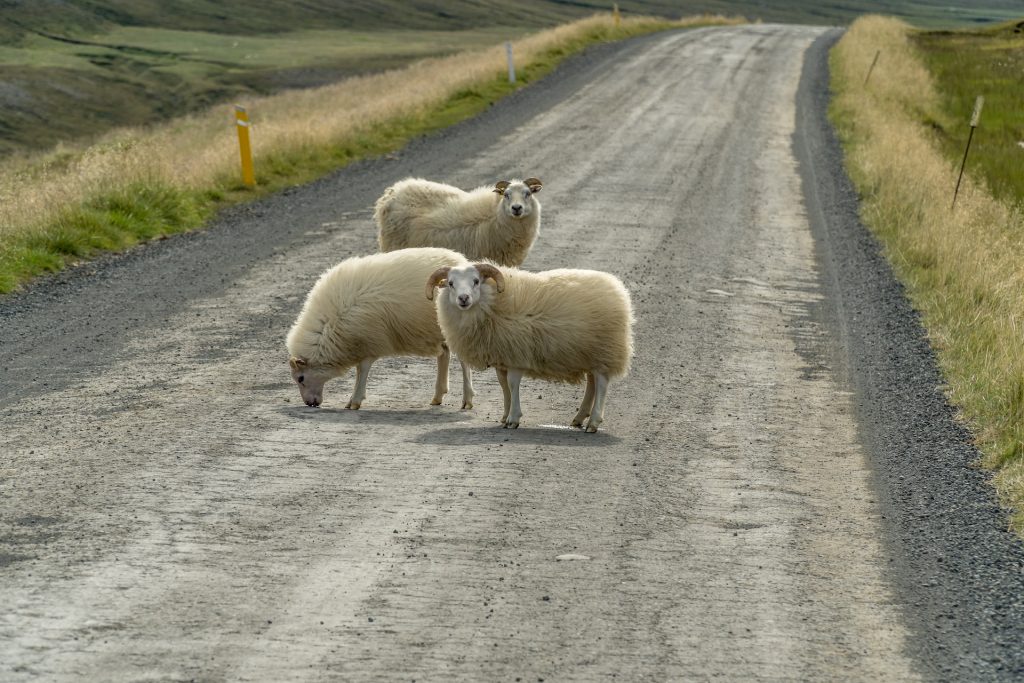
1. Watch for Sheep on the Road
Sheep often:
- Rest near the roadside
- Suddenly cross the road
- Travel in small groups
Drive slowly in rural areas, especially in summer.
2. Keep Your Distance
Do not approach or chase sheep for photos. Getting too close can stress the animals and interfere with farmers’ livestock.
3. Do Not Pet Them
Even though they look soft and friendly, Icelandic sheep are not domesticated pets. Avoid touching them, especially if traveling with children.
Why Renting a Car is the Best Way to See Icelandic Sheep
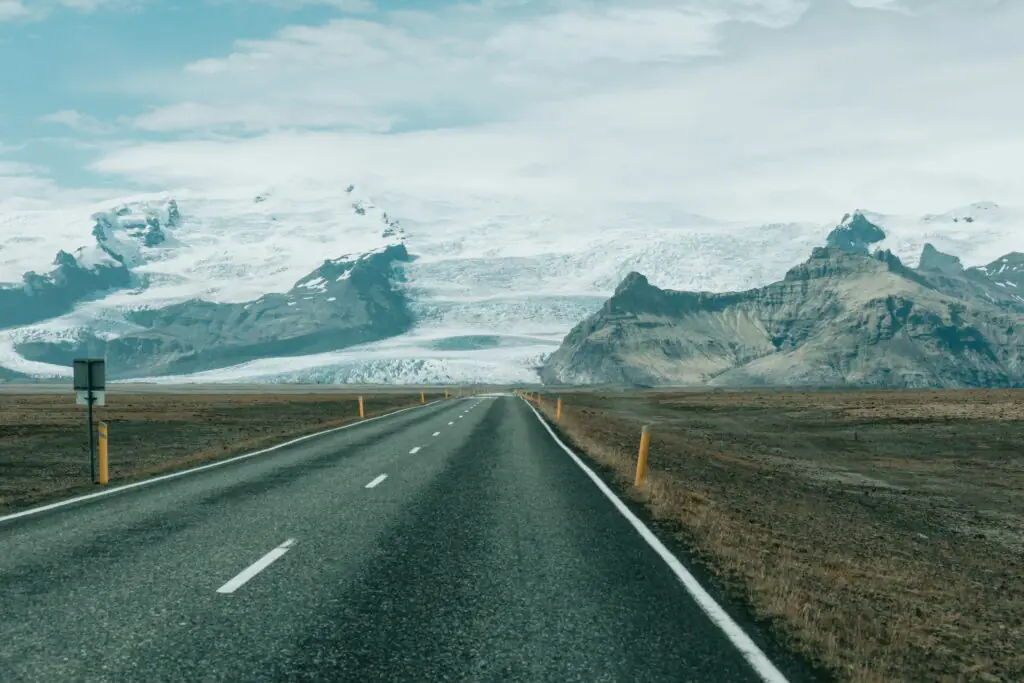
Sheep are rarely found in central Reykjavík. To see them in open landscapes, you need to explore beyond the capital.
With a cheap car rental in Iceland from Firefly Iceland, you can:
- Drive the Ring Road
- Stop safely for countryside photos
- Visit rural regions at your own pace
- Explore hidden valleys and scenic farm roads
Public transport will not take you to the remote areas where sheep roam freely.
FAQ About Icelandic Sheep
- Why are there more sheep than people in Iceland?
Iceland has a small human population of around 390,000 people, but sheep farming has been a core part of Icelandic agriculture for over 1,000 years. Seasonal lambing increases sheep numbers significantly each summer.
- Are Icelandic sheep aggressive?
No. Icelandic sheep are generally calm and avoid humans. However, they may run unpredictably, especially near roads.
- Can tourists touch or pet sheep in Iceland?
No. Tourists should not pet sheep unless visiting an authorized farm that allows interaction. Sheep are livestock, not pets.
- What month are sheep released in Iceland?
Sheep are typically released into the countryside in late spring, around May, and remain free-range until September.
- What is Réttir in Iceland?
Réttir is the annual sheep roundup in September, where farmers gather sheep from mountain grazing areas and sort them by owner. It is both a farming tradition and a cultural celebration.
- Is Iceland lamb different from regular lamb?
Yes. Icelandic lamb is free-range and grass-fed. The flavor is often described as cleaner and slightly herbal due to the sheep’s natural diet.
- Where is the best place to photograph sheep in Iceland?
Rural areas along the Ring Road, the Westfjords, Snæfellsnes Peninsula, and East Iceland offer the best photography opportunities.

Final Thoughts
Seeing Icelandic sheep is one of the most authentic experiences you can have in Iceland. Whether they are grazing against a dramatic mountain backdrop or casually crossing a country road, they are part of what makes Iceland’s landscapes feel wild and alive.
If you want the freedom to explore Iceland’s countryside and see sheep in their natural habitat, renting a car is essential.