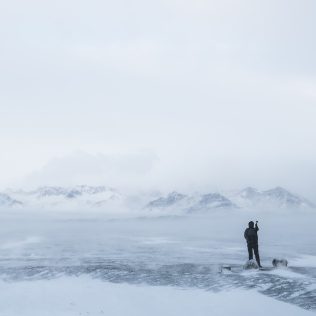
Renting a car and exploring Iceland independently has grown significantly in popularity over recent years. The freedom to create your own itinerary, travel at your own pace, and reach places public transport cannot is a major draw. While summer remains the busiest season on Iceland’s roads, winter offers a very different but equally rewarding experience.
With fewer cars, quieter landscapes, and snow-dusted mountains and valleys, a winter road trip in Iceland can feel magical. Of course, driving in Iceland during winter comes with challenges, but with the right preparation, they are entirely manageable. Here is everything you need to know before planning an off-season self-drive adventure.
- Related links: Available cheap cars in Iceland; Iceland car rental requirement
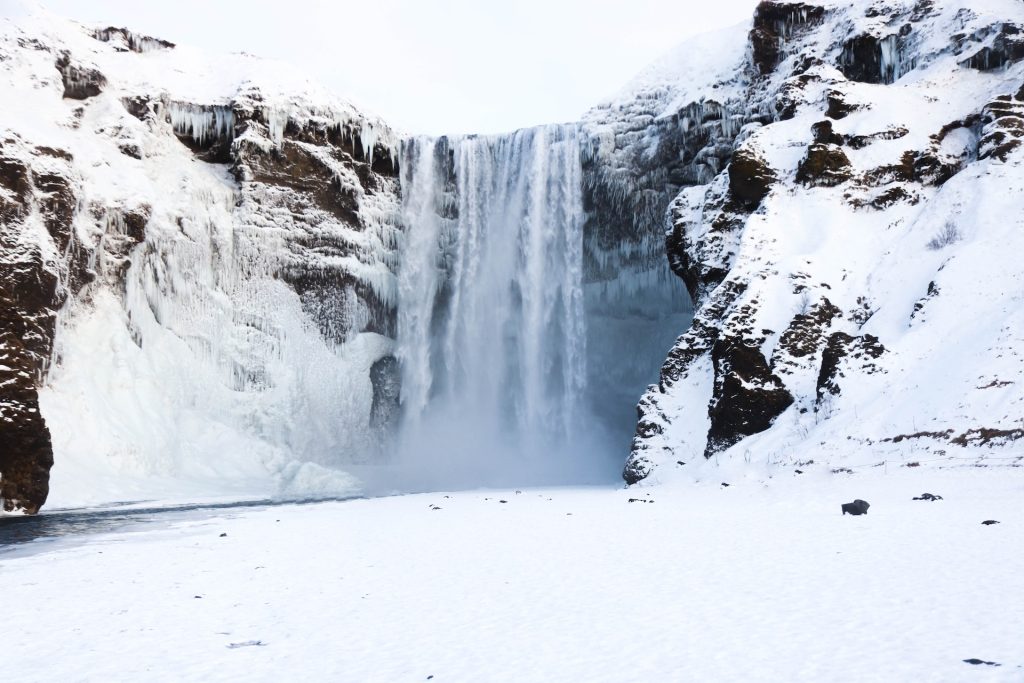
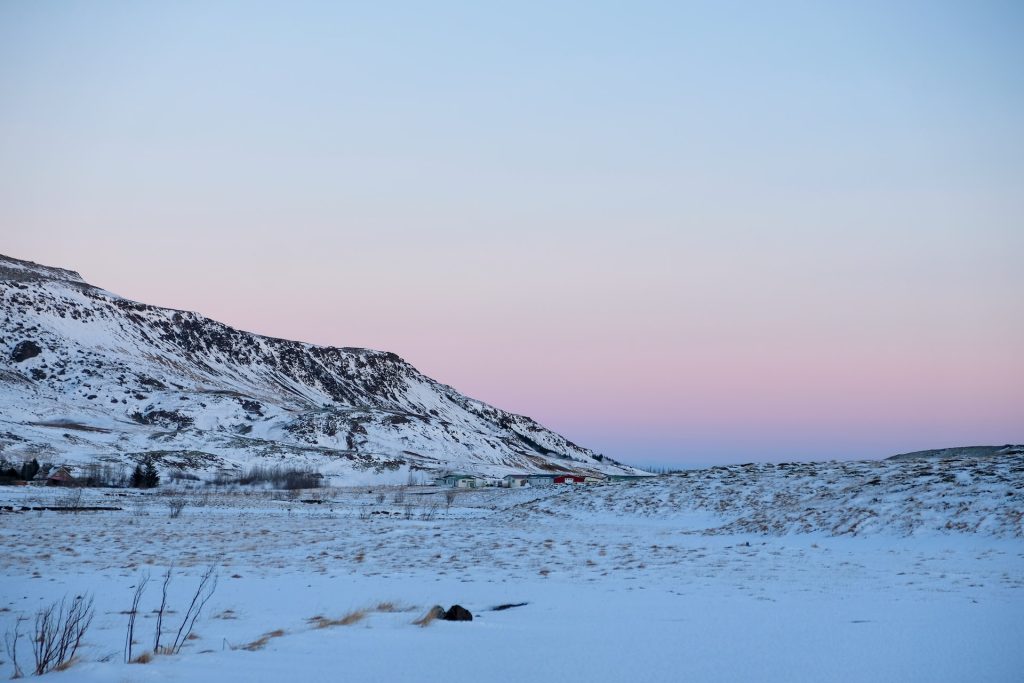
Plan for Fewer Hours of Daylight
Iceland sits just below the Arctic Circle, which means daylight hours are very limited in winter. In Reykjavík, there can be as little as four hours of daylight around the winter solstice, while northern towns like Akureyri experience even shorter days. By late February, daylight already stretches to around ten hours, making travel noticeably easier.
These daylight variations have a direct impact on how much you can realistically fit into each day. In winter, sightseeing time is precious, and driving in darkness or low light is often unavoidable. If this is your first time driving in Iceland, it’s best to schedule your first journey during daylight to get used to local conditions.
Driving in the dark is not only more demanding, but you will also miss out on Iceland’s dramatic scenery. Choosing the right winter month can make a big difference to both confidence and comfort behind the wheel.
Consider Adding GPS to Your Rental
Driving times in Iceland are often underestimated by apps like Google Maps. Whether, road conditions, single-lane bridges, and gravel sections can all slow progress, especially in winter. What looks like a short drive on paper can quickly become more challenging if conditions change.
If you plan to travel beyond main roads or into remote areas, mobile signal may be unreliable. Adding GPS to your rental car can be helpful, particularly for winter driving. That said, never rely blindly on sat-nav directions.
A common example is the Öxi Pass in East Iceland. While it appears to shorten a Ring Road journey, it is a steep and narrow mountain road that can be difficult or unsafe in winter conditions. Always double-check routes and choose safer, well-maintained roads when conditions are poor.
Pay Close Attention to Weather Forecasts
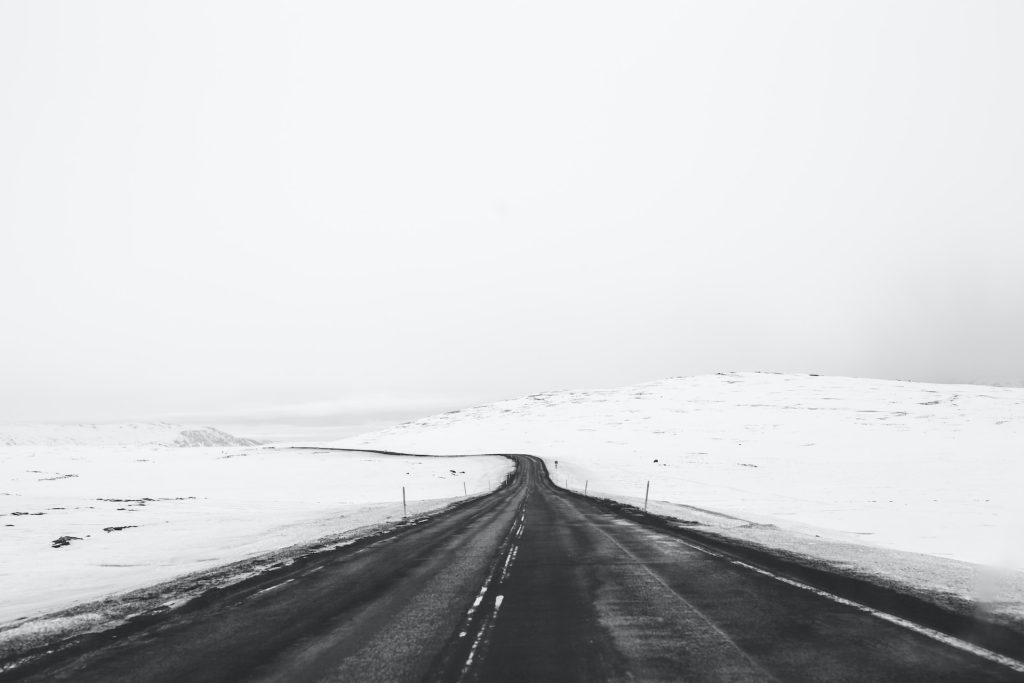
Icelandic weather is famously unpredictable, and winter only increases that variability. Snow, ice, strong winds, and sudden storms can appear quickly and may lead to temporary road closures.
It’s important to follow the Icelandic definition of seasons. Winter conditions are possible from October through April. Check the Icelandic Met Office forecast regularly throughout the day and be prepared to adjust your plans.
Wind deserves special attention. Strong gusts can make driving difficult and can easily damage car doors if opened carelessly. Always hold onto your door firmly, and make sure your insurance covers wind-related damage.
Flexibility is key. Build buffer time into your itinerary, especially towards the end of your trip when you need to return your rental car and catch a flight.
Expect Road Closures in Winter
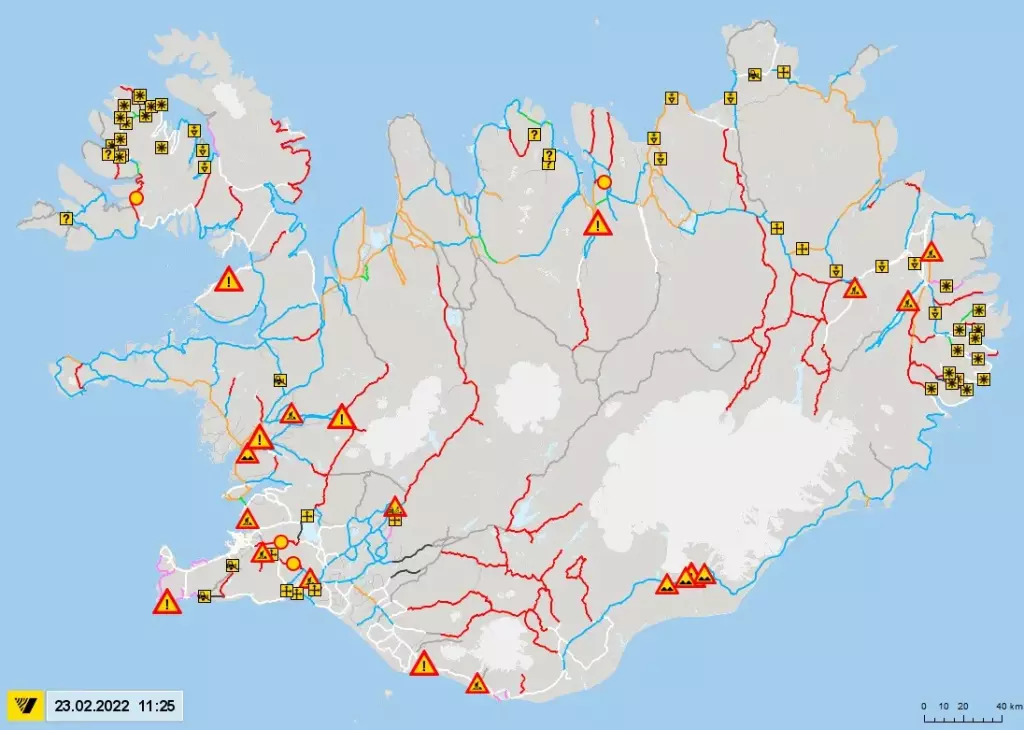
Iceland’s highland F-roads are closed throughout winter and only open during summer months. Driving on them in winter is illegal and not permitted under any rental agreement.
Other roads, especially exposed mountain passes and coastal routes in North and East Iceland, may also close temporarily due to weather. In rare cases, even the Ring Road can be affected.
Closures are usually short-lived, and roads reopen as soon as conditions allow. You can monitor real-time updates using the SafeTravel website or app. If you want to reduce the risk of disruptions, stick to major paved roads or base yourself in Reykjavík and plan flexible day trips.
Be Prepared for Winter Conditions
Safety always comes first when driving in Iceland. Clear all snow and ice from your windscreen, windows, lights, and mirrors before setting off. Keep your fuel tank topped up, as petrol stations can be far apart in rural areas.
Drive to the conditions, not the clock. Allow extra time for braking and stopping, especially if black ice is possible. Carry a torch, snacks, drinks, and some cash in case of delays or unexpected overnight stays.
Cold temperatures drain phone batteries quickly, so bring a car charger or power bank to ensure you can call for help if needed.
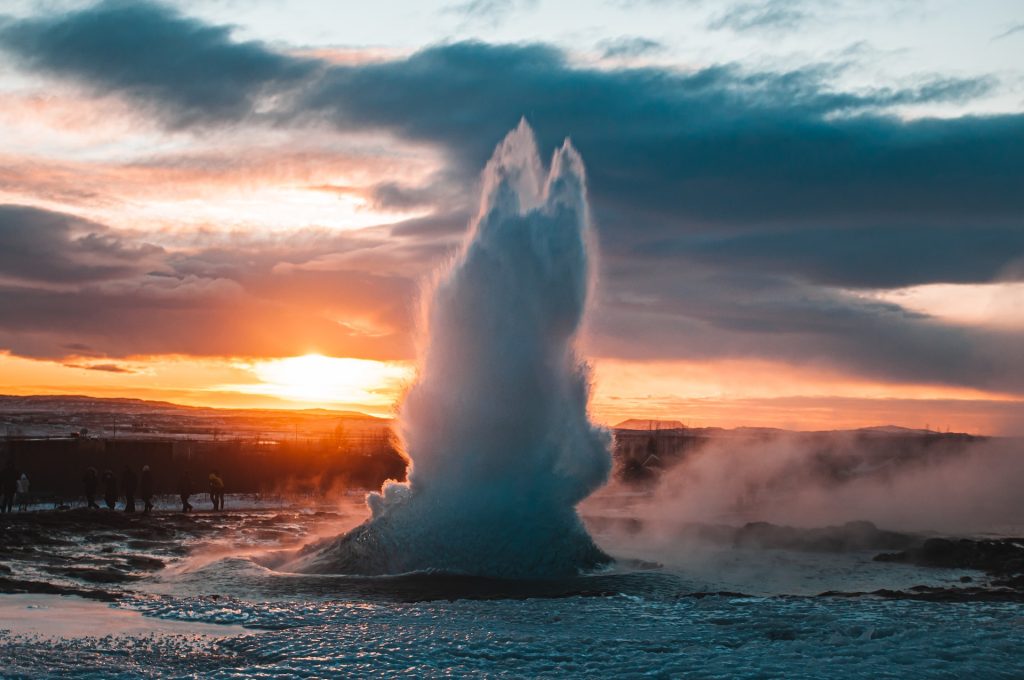
Drive to the Conditions, Not the Speed Limits
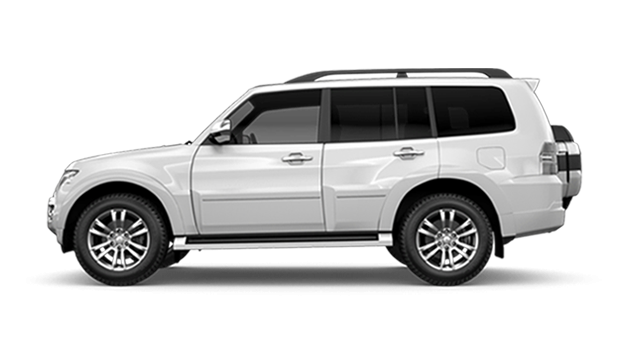
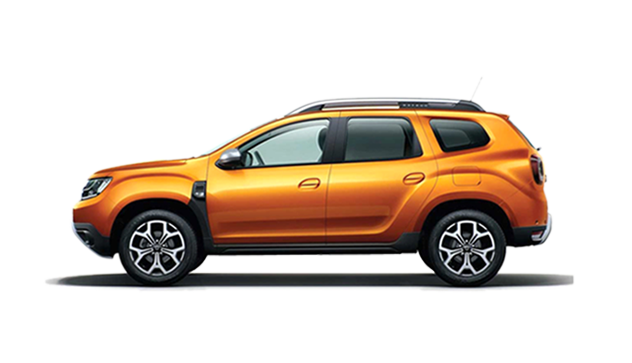
Choosing the right rental car is crucial for winter driving in Iceland. On snowy or icy days, a 4×4 vehicle provides better traction and stability, even if you only encounter difficult conditions briefly.
Winter tires are mandatory by law, and headlights must be used at all times, day and night. When collecting your rental car, check tire tread, windscreen wipers, and visibility.
Reduce your speed, particularly on gravel roads, and don’t feel pressured by faster local drivers. If the road feels unsafe, slow down. Driving cautiously is always the right choice in winter.
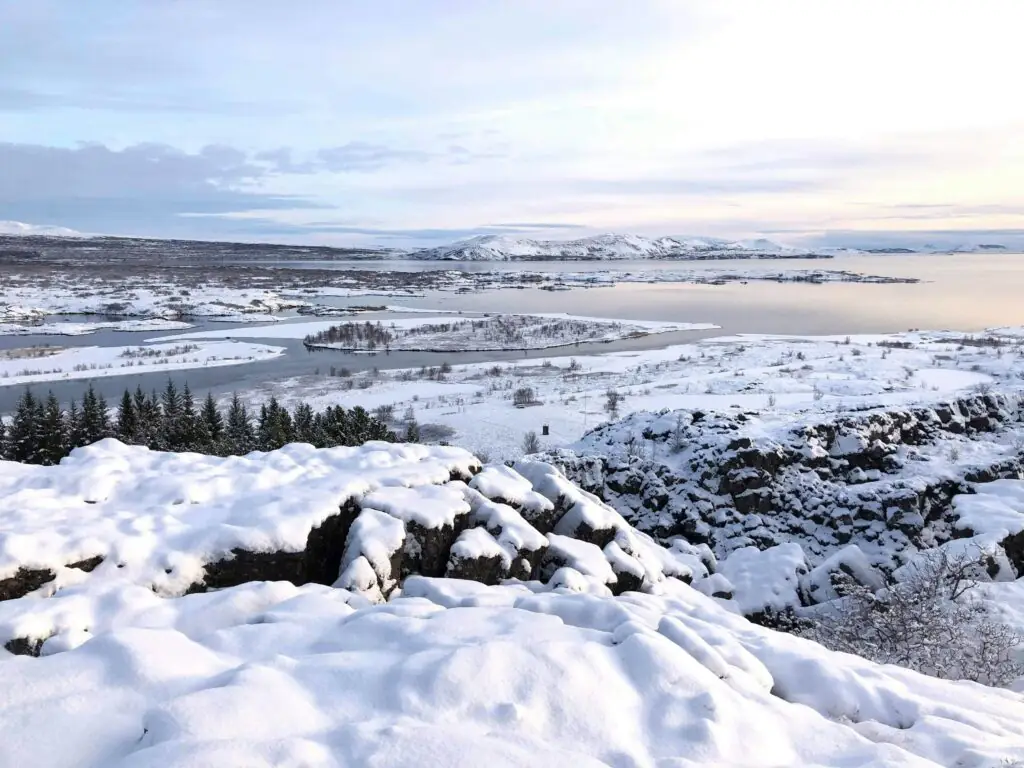
Manage Distractions on the Road
Iceland’s scenery is stunning year-round, but winter landscapes can be especially distracting. Wildlife such as reindeer in East Iceland may appear near roads during colder months.
Stopping suddenly or pulling over where it’s unsafe can be dangerous. Never stop on the roadside and never drive off-road, even if tracks are visible in the snow. Off-road driving is illegal and causes long-term environmental damage.
Use designated lay-bys and car parks to stop safely. If there are places you cannot safely reach by car, consider parking and joining a guided tour for the day.
FAQ: Winter Car Rental and Driving in Iceland
- Is it safe to drive in Iceland during winter?
Yes, driving in Iceland during winter is safe if you choose the right rental car, monitor weather and road conditions, and drive cautiously.
- Do I need a 4×4 rental car in winter in Iceland?
A 4×4 is strongly recommended for winter driving, especially outside Reykjavík, as it provides better traction on snow and ice.
- Are winter tires included with rental cars in Iceland?
Yes, winter tires are mandatory by law and are included with all rental cars during the winter season.
- Can I drive the Ring Road in winter?
The Ring Road is usually open year-round, but temporary closures can occur during severe weather. Always check road conditions before driving.
- Are F-roads open in winter?
No. F-roads are closed in winter and driving on them is illegal.
- Is it cheaper to rent a car in Iceland during winter?
Yes, winter is the low season, and cheap car rentals in Iceland are more widely available compared to summer.
- Can I rent a cheap car in Iceland for winter travel?
Yes, budget-friendly cars are available in winter, especially for travelers sticking to main roads and urban areas.
Winter Driving in Iceland: Final Thoughts
Winter driving in Iceland is not something to fear. With good preparation, flexible planning, and sensible driving habits, a winter road trip can be one of the most rewarding ways to experience the country.
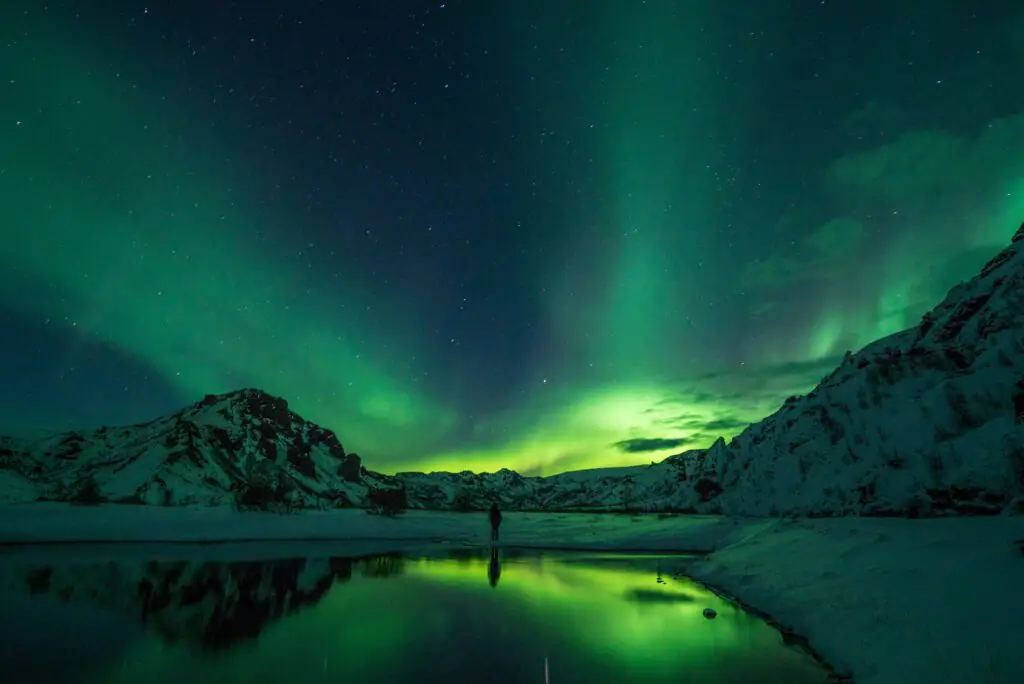
Quieter roads, snow-covered landscapes, and the chance to see the Northern Lights make winter a truly special time to explore Iceland by car.