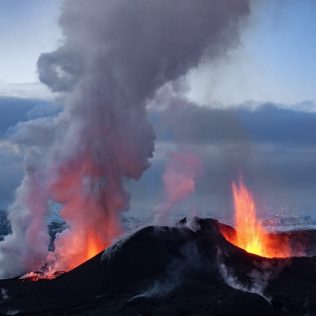
When planning a road trip around Iceland, one of the first questions you might ask is, “Is it safe to drive in Iceland?” At Firefly Car Rental Iceland, we understand your concerns and are here to help you prepare for a safe enjoyable, and memorable self-drive adventure.
Driving in Iceland is generally safe, provided you follow local driving laws, stay informed about weather and road conditions, and choose the right rental car for your journey.
Understanding Icelandic Road Conditions
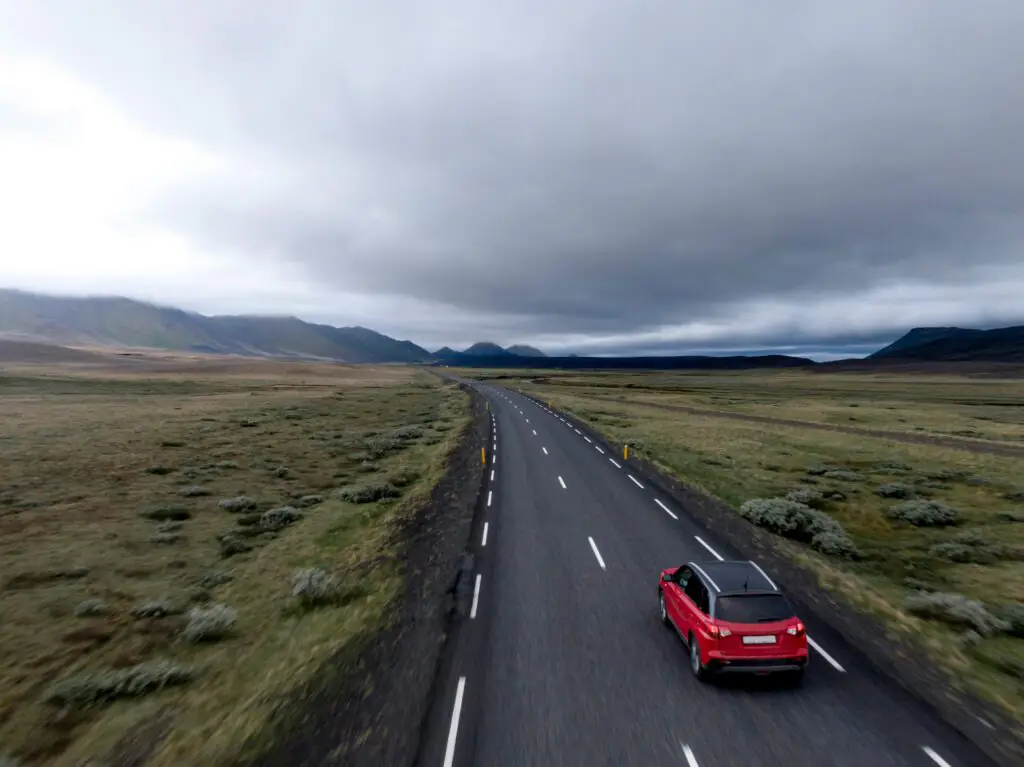
Driving in Iceland offers a unique opportunity to explore breathtaking landscapes, from coastal roads and lava fields to mountain passes and remote fjords. However, the road conditions can vary significantly, depending on location, season and weather.
Most main routes, including the well-known Ring Road, are paved and well-maintained. Still, sudden weather changes, gravel sections, and narrow roads mean drivers should always remain alert and flexible.
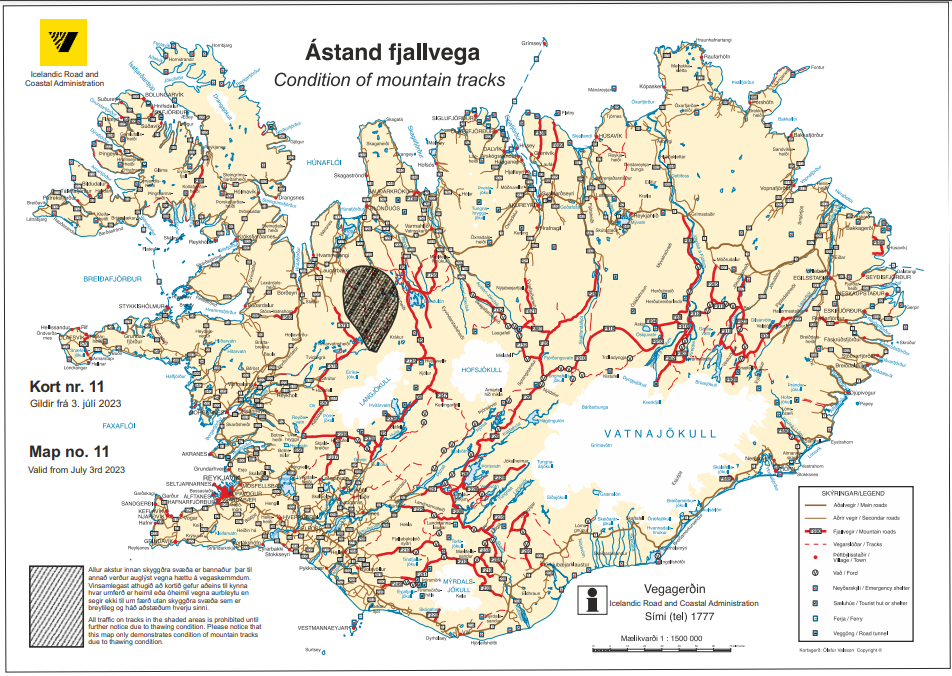
Mountain Roads (F-Roads) and Road Surfaces
In rural and highland areas, roads may be narrow and unpaved. Some routes transition quickly from asphalt to gravel, requiring reduced speed and extra caution.
Important to know:
- F-roads are only open in summer
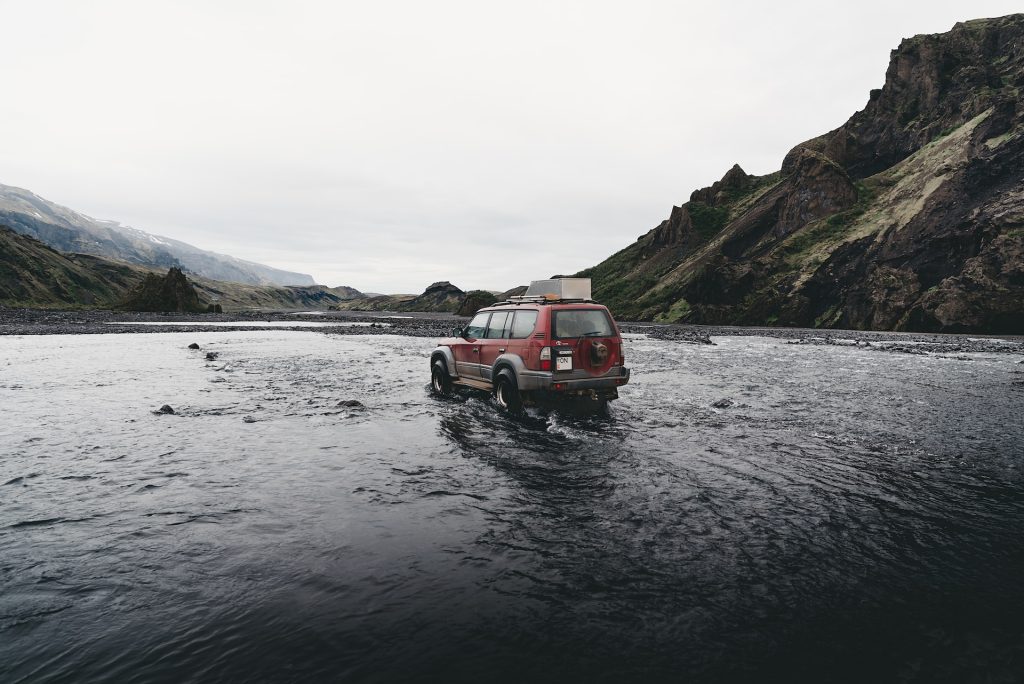
- A 4×4 vehicle is required by law on F-roads
- River crossing are common on F-roads and are never covered by insurance
A four-wheel-drive vehicle provides better traction and control on these surfaces and is strongly recommended if you plan to travel beyond paved roads.
Speed Limits and Driving Conditions
Speed limits in Iceland are strictly enforced and designed for safety rather than speed.
Typical limits include:
- 40 km/h in towns and cities
- 90 km/h on paved highways
Key Hazards on Roads in Iceland
While Iceland’s roads are not difficult to drive, they do present unique challenges, especially for visitors unfamiliar with local conditions.
Common hazards include:
- Strong winds, which can affect steering and damage car doors
- Gravel roads, which reduce braking efficiency
- Sheep and wildlife, especially in rural areas
- Narrow bridges with single-lane traffic
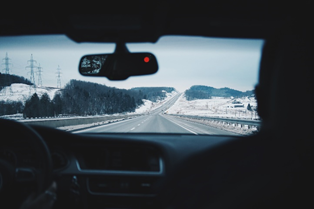
Stopping in the road to take photos is dangerous and illegal. Always use designated pull-off areas.
How to Hire a Car in Iceland to Be Safe
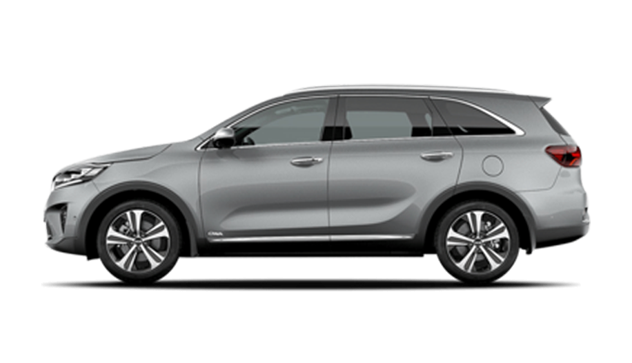
Choosing the right rental car plays a major role in driving safely.
If your plans include winter travel, gravel roads, or remote areas, a 4×4 offers improved stability and traction, and is required when driving on F-roads.
Insurance Considerations
At a minimum, your rental should include:
- Collision Damage Waiver (CDW)
- Third-Party Liability (TPL)
Additional coverage strongly recommended in Iceland:
- Gravel protection
- Sand and ash protection, especially on the south coast
- Awareness of wind-related damage, which is not always covered
Off-road driving, river crossing, and damage caused by driving in restricted areas are never covered by insurance.
Tips for Driving a Car in Iceland
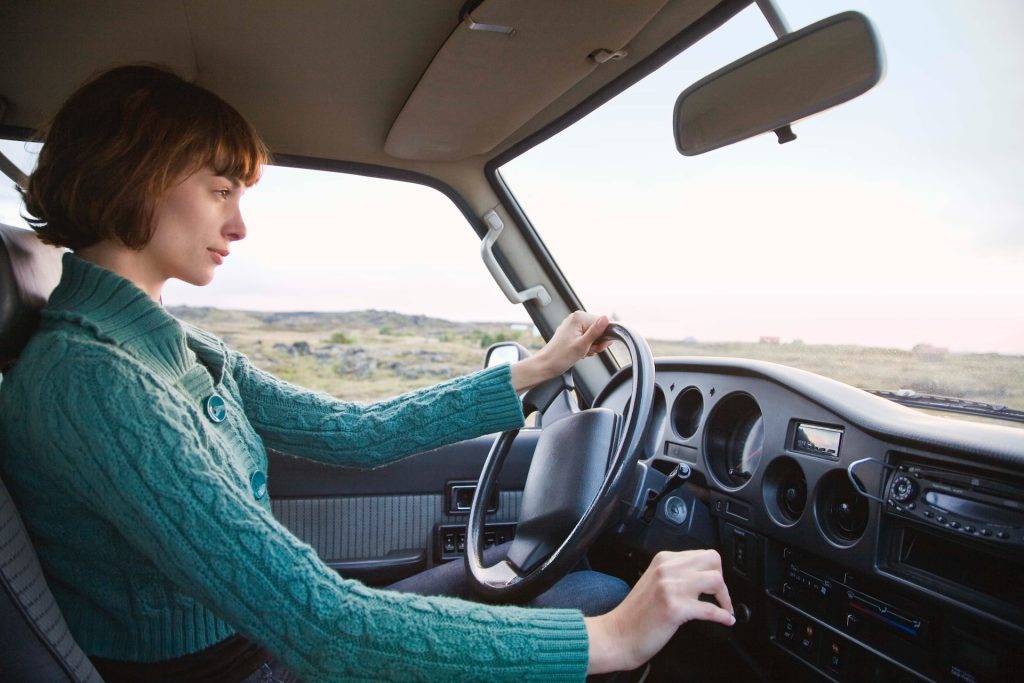
Renting from a reliable company like Firefly Car Rental Iceland ensures you start your trip with a vehicle suited to local conditions. Keep these tips in mind:
- Carry a creditcard for fuel and services
- Drive according to weather, not just speed limits
- Reduce speed when transitioning from paved to gravel roads
- Avoid driving in the dark when possible, especially in winter
- Off-road driving is illegal and heavily fined
Before setting off each day, check weather updates from the Icelandic Meteorological Office and road conditions via the Icelandic Road and Coastal Administration.
Weather Conditions and Driving Safety in Iceland
Icelandic weather can change rapidly, sometimes within minutes, and has a direct impact on driving conditions.
Winter Driving
Winter brings snow, ice, limited daylight, and strong winds. Winter tires are mandatory during the winter season, and conditions can remain wintery well into spring
If weather warnings are issued, staying off the road is the safest choice.
Summer Driving
Even in summer, fog, heavy rain, and sudden wind gusts are common. Conditions in the highlands can differ greatly from coastal areas, so daily checks are essential.
Planning Your Road Trip Around Iceland
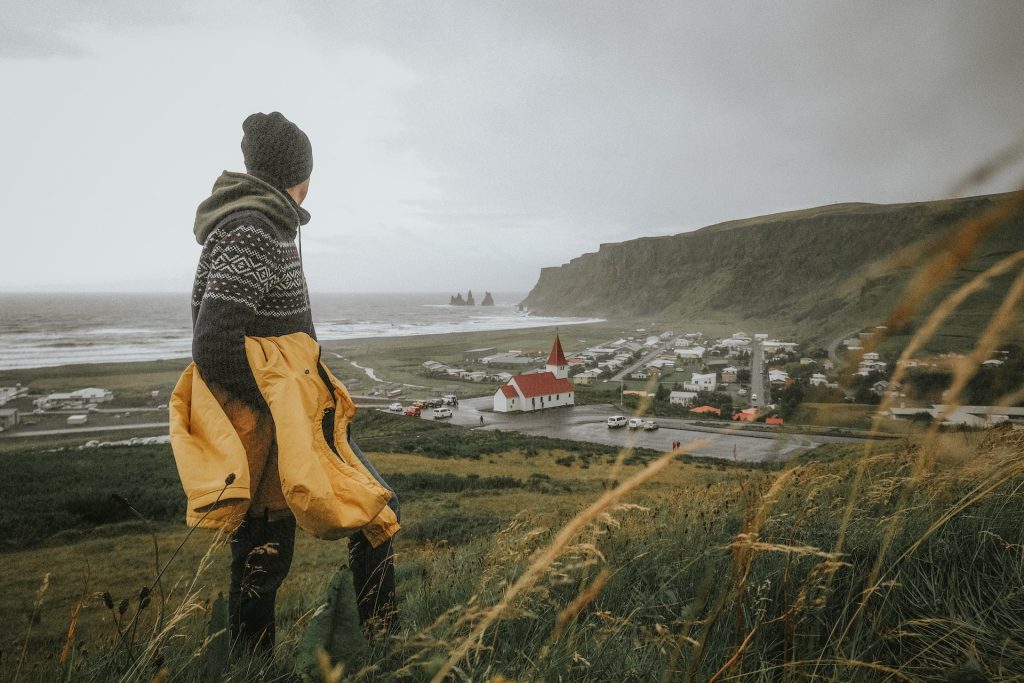
A safe road trip starts with realistic planning.
Helpful planning tips:
- Allow extra time for weather delays
- Plan fuel stops carefully in rural areas
- Take regular breaks to avoid fatigue
- Avoid overly long driving days
The Ring Road connects many major attractions, but detours into remote areas require extra preparation and the correct vehicle type.
FAQs on Driving in Iceland
- Is it safe to drive in Iceland?
Yes. Driving in Iceland is safe if you follow local laws, check weather and road conditions daily, and choose a suitable rental car.
- Do I need a 4×4 to drive in Iceland?
A 4×4 is required for F-roads and are recommended in winter or on gravel and mountain roads.
- Can tourists drive the Ring Road safely?
Yes. The Ring Road is paved and suitable for most drivers, though conditions vary by season.
- Is off-road driving allowed in Iceland?
No. Off-road driving is illegal and results in heavy fines.
- Is renting a car necessary in Iceland?
Highly recommended. A rental car provides flexibility and access to areas not served by public transport.
- Do I need a special license to drive in Iceland?
Your standard driver’s license from your home country (if that is in English with Roman script) is generally acceptable. However, always check current requirements before your trip.
- What should I do if I encounter a storm or severe weather?
If severe weather strikes, it’s safer to stay off the roads. Icelandic weather can be unpredictable, and driving conditions can deteriorate quickly.
- Are there specific rules for driving in rural vs. urban areas?
Yes, besides varying speed limits, be aware that rural areas might not have as many services or gas stations, so plan accordingly.
Conclusion
Driving in Iceland is safe when you are prepared, informed, and respectful of local conditions. By choosing Firefly Car Rental Iceland, you gain access to cheap, road-ready vehicles and the freedom to explore Iceland at your own pace.
With the right preparation, every drive becomes part of the adventure.