Few animals represent Iceland’s culture and history as strongly as the Icelandic horse. These beautiful and hardy horses have lived in Iceland for over 1,000 years and remain one of the country’s most iconic symbols.
Whether you see them grazing beside the road during an Iceland road trip, visit a horse farm, or join a horseback riding tour in Iceland, encountering Icelandic horses is an unforgettable experience.
In this guide, you will learn about the history of Icelandic horses, what makes them unique, where to see them in Iceland, and the best time to visit horse farms during your trip
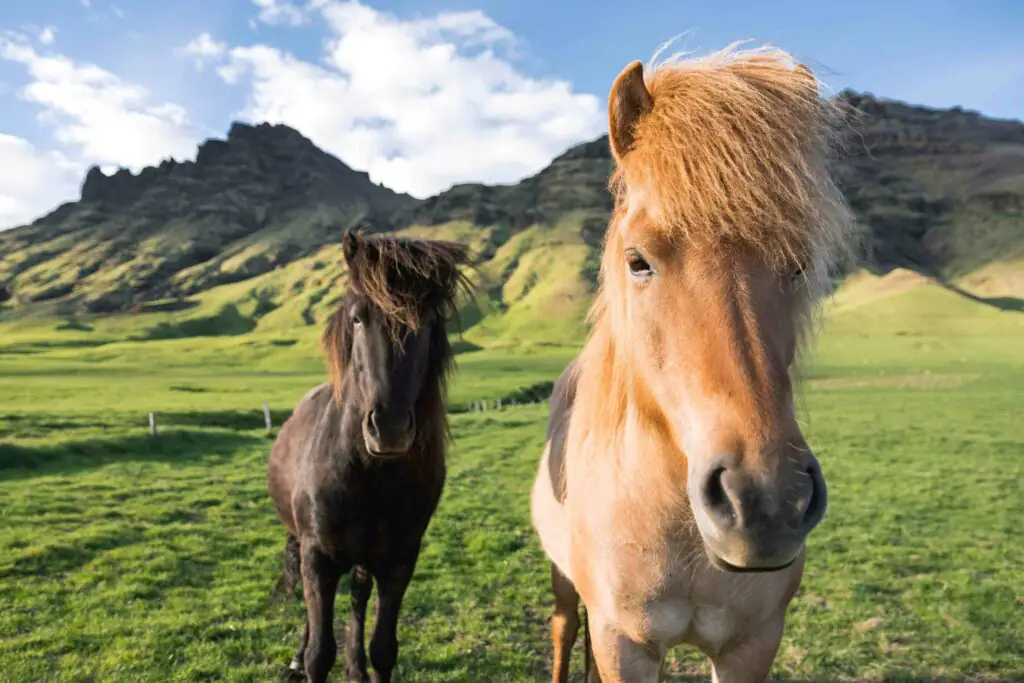
A Brief History of Icelandic Horses
Icelandic horses arrived in Iceland with the Vikings between 860 and 935 AD. Early settlers transported horses across the North Atlantic on Viking longships, selecting only the strongest and most resilient animals for the journey.
Because of this careful selection, the breed developed into one of the hardiest horse breeds in the world.
For centuries, Icelandic horses were essential for survival. They appear frequently in Icelandic sagas, mythology, and folklore, highlighting how valuable they were to early Icelandic society.
Today, Icelandic horses remain one of the purest horse breeds in the world. Iceland has strict laws that prohibit importing horses into the country to protect the breed’s genetic purity.
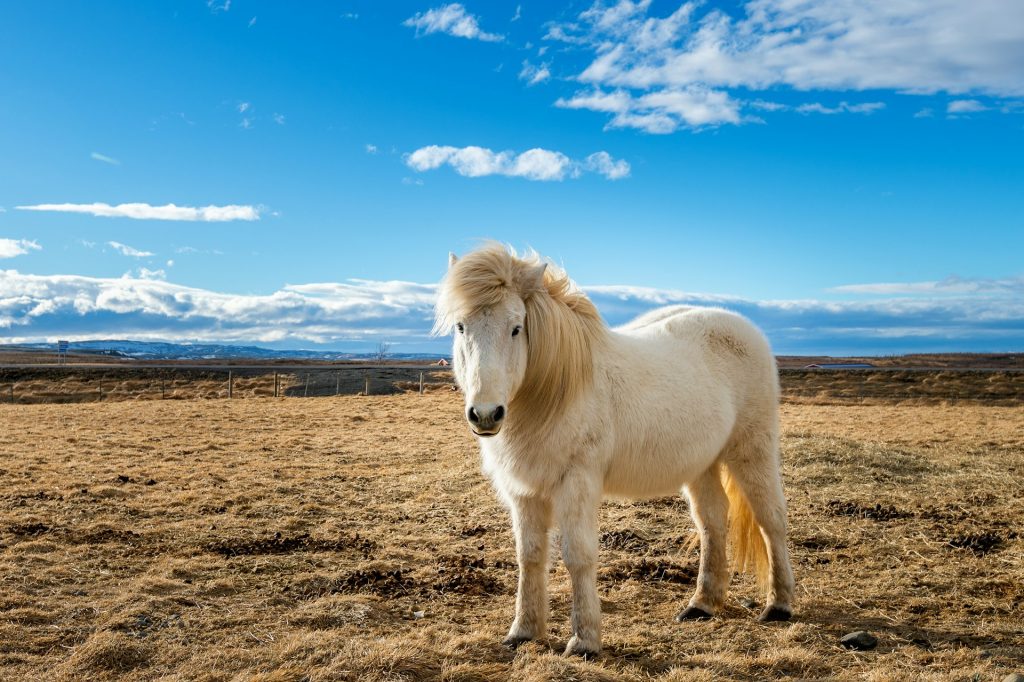
What Makes Icelandic Horses So Unique?
The Icelandic horse breed has several special traits that make it different from other horses around the world.
Five Natural Gaits
Most horse breeds have three natural gaits: walk, trot, and gallop.
The Icelandic horse has two additional gaits:
Tölt: A smooth four-beat gait that allows riders to travel comfortably even over rough terrain.
Flying Pace (Skeið): A fast lateral gait used for racing. Some Icelandic horses can reach speeds of up to 50 km/h (31 mph) using this gait.
These unique movements make Icelandic horses extremely popular for horse riding tours in Iceland.
Small but Strong
Although they are technically pony-sized, Icelandic horses are incredibly strong and resilient.
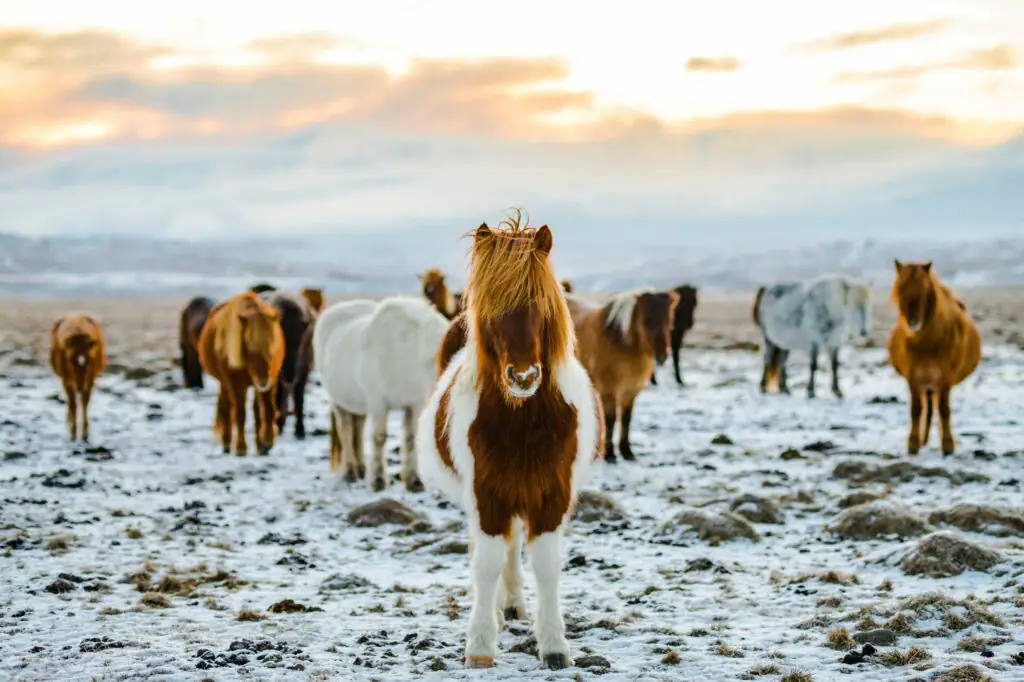
They typically stand around 13 to 14 hands high, but their sturdy build and thick coats allow them to handle Iceland’s harsh weather conditions, including snow, wind, and volcanic terrain.
One of the Purest Horse Breeds in the World
Because Iceland banned horse imports centuries ago, the Icelandic horse remains one of the most genetically pure horse breeds on Earth.
Interestingly, once a horse leaves Iceland, it is never allowed to return, even if only traveled abroad for a competition.
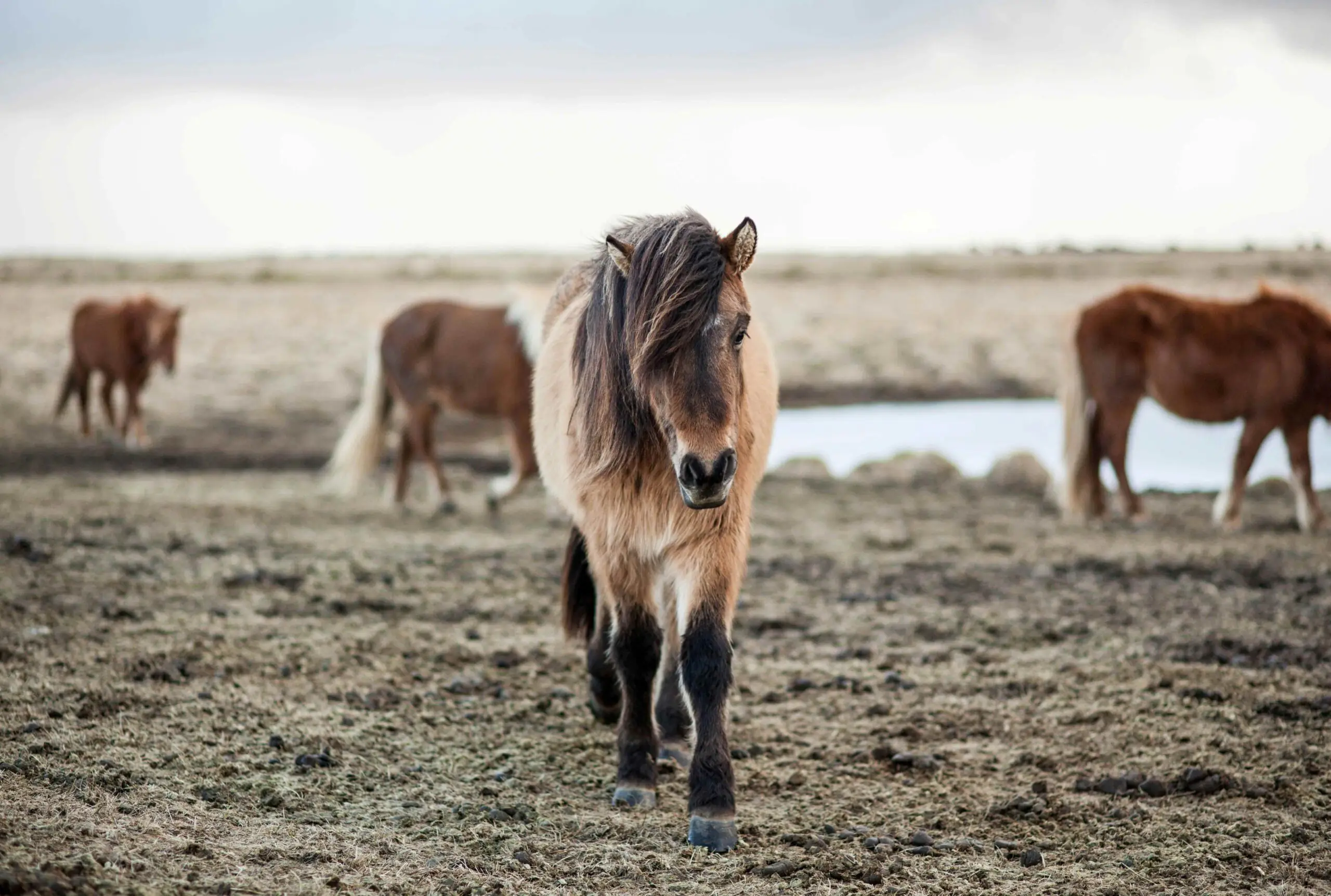
What are Icelandic Horses Used For?
Icelandic horses remain an important part of life in Iceland today.
Horseback Riding Tours
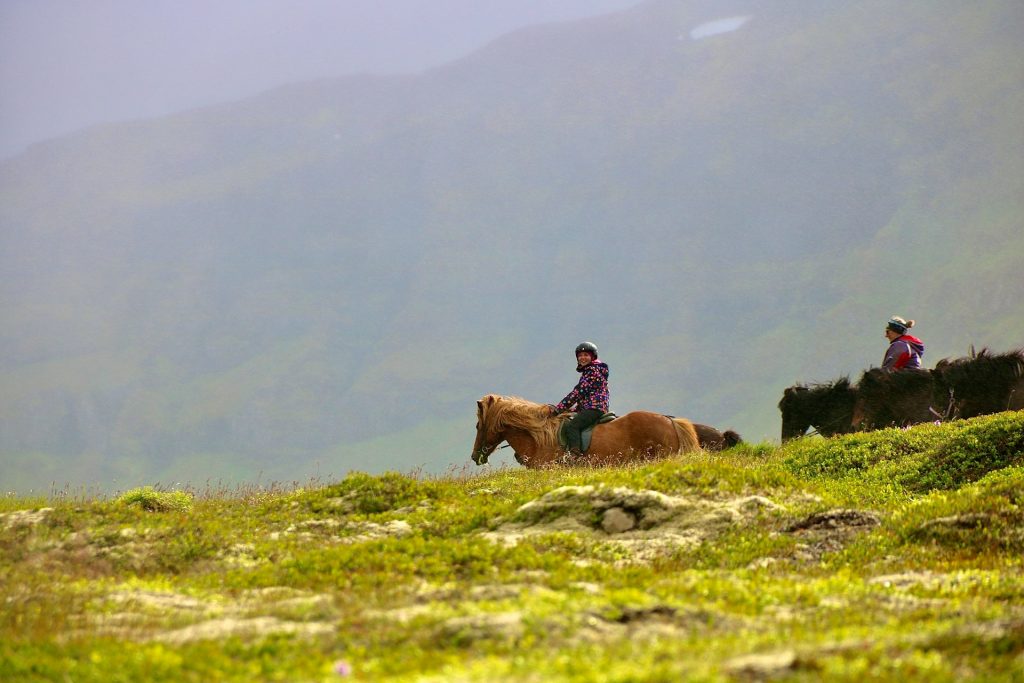
One of the most popular activities for visitors is joining a horseback riding tour in Iceland.
Horse farms across the country offer riding tours through:
- Lava fields
- Black sand beaches
- Moss-covered valleys
- Countryside farms
Because Icelandic horses are friendly and calm, horseback riding tours are suitable for beginners, families and children.
Many tours operate near Reykjavík, the Golden Circle, and South Iceland.
Sheep Herding
Iceland has more sheep than people, and horses still play an important role in traditional farming.
Every autumn, Icelanders gather sheep from the mountains during an event called réttir, where horses help farmers herd thousands of sheep back to their farms.
Leisure and Companionship
Many Icelanders keep horses simply because they love them. Icelandic horses are known for being friendly curious, and social animals, which makes them excellent companions.
Horse Meat
Horse meat is still consumed in Iceland, though it represents a very small percentage of Icelandic diets.
Most horse meat produced in Iceland is exported to other countries, and only around 2 percent of meat consumption in Iceland comes from horse meat.

Where to See Icelandic Horses in Iceland
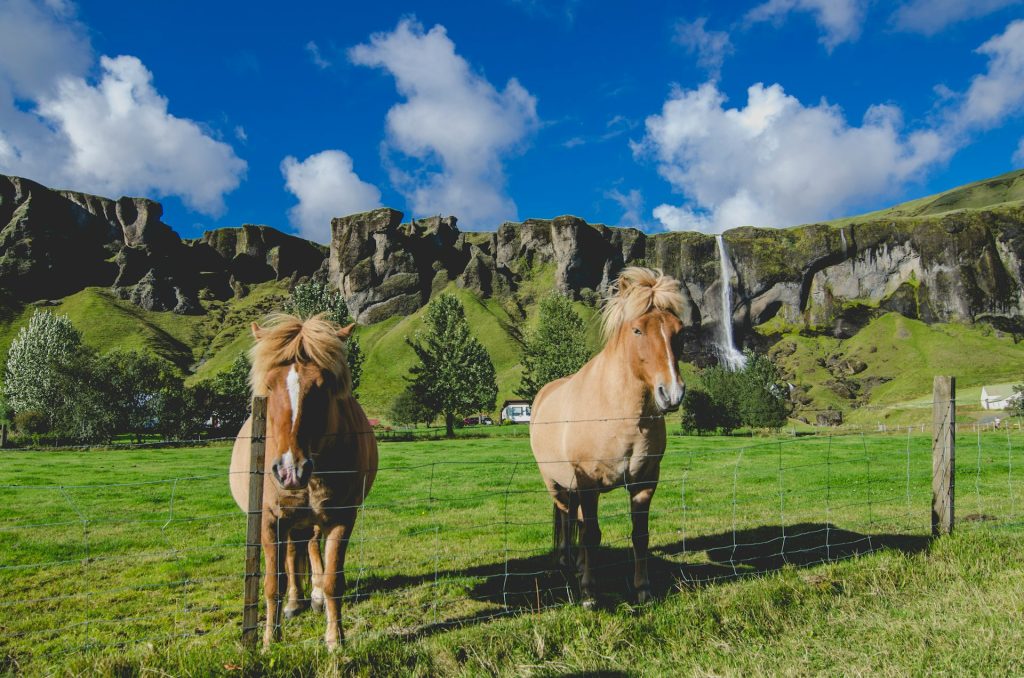
One of the best things about traveling in Iceland is that you will likely see Icelandic horses while driving around the country.
If you are taking a self-drive trip in Iceland, keep an eye out for horses grazing in open fields along rural roads.
Some of the best places to see Icelandic horses include:
- South Coast of Iceland
- Snæfellsnes Peninsula
- Golden Circle countryside
- North Iceland farms
- West Iceland valleys
You can also visit horse farms and riding stables near Reykjavík if you want a closer look.
During summer, many farmers allow horses to roam freely in open pastures, which is why travelers often see them near the road.
Important tip: Never stop your car on the road to see horses. Only stop at designated pull-off areas. Going off-road is illegal in Iceland.
When is to Best Time to see Icelandic Horses?
You can see Icelandic horses all year round.
Their thick coats protect them from Iceland’s cold winters, and they are perfectly adapted to the climate.
However, the best months for horseback riding tours in Iceland are between May and September, when the weather is milder and the countryside is easier to explore.
Icelandic Horse Festivals and Traditions
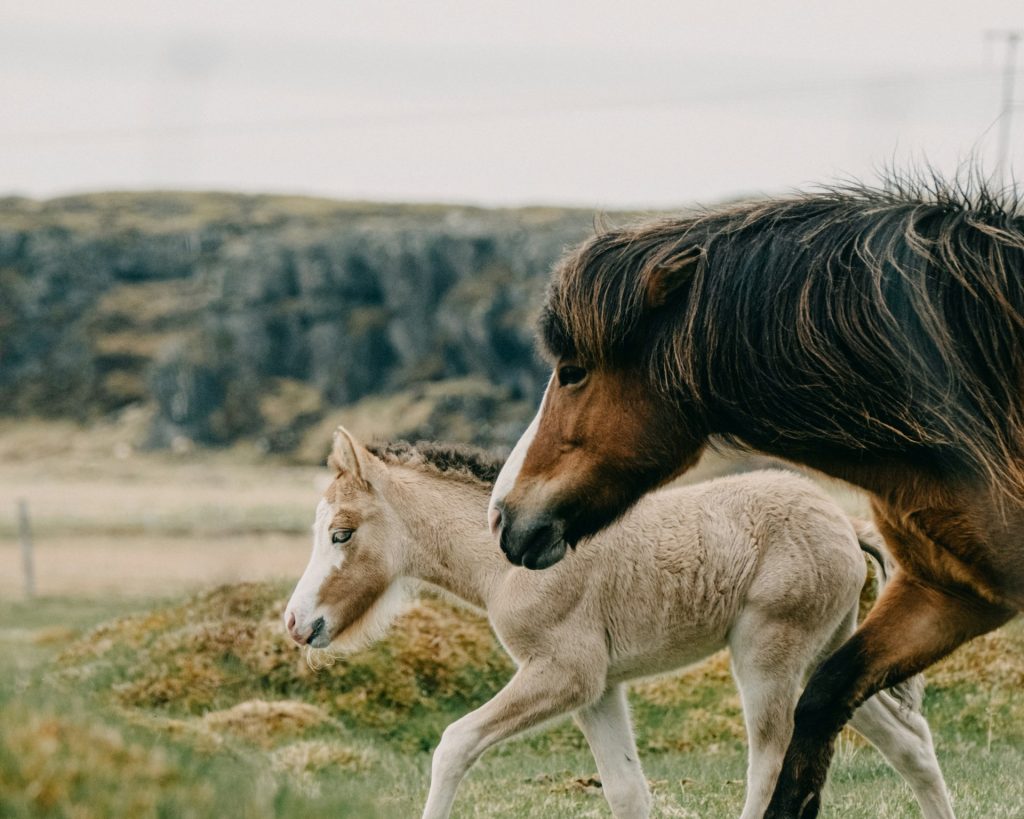
Iceland hosts several events celebrating the Icelandic horse.
Landsmót
Landsmót is the largest Icelandic horse festival. It takes place every few years during summer and features competitions showcasing the best Icelandic horses and riders.
Visitors can watch riding competitions, breeding shows, and traditional Icelandic horse demonstrations.
Réttir (The Sheep Round-Up)
Every September, Icelandic farmers gather sheep from the mountains before winter. Horses play an important role in this event.
The sheep round-up often turns into a local celebration with food, music, and community gatherings.
The Best Way to See Icelandic Horses?
The best way to see Icelandic horses is by taking a self-drive road trip around Iceland.
Driving through the countryside gives you the chance to see horses grazing in open pastures and explore farms across the island.
With a cheap rental from Firefly Iceland, you can easily visit Iceland’s rural regions where horses are commonly found.
Many travelers spot Icelandic horses while driving the Ring Road, the golden circle, or scenic routes around South Iceland and West Iceland.
Frequently Asked Questions About Icelandic Horses
- Are Icelandic horses actually ponies?
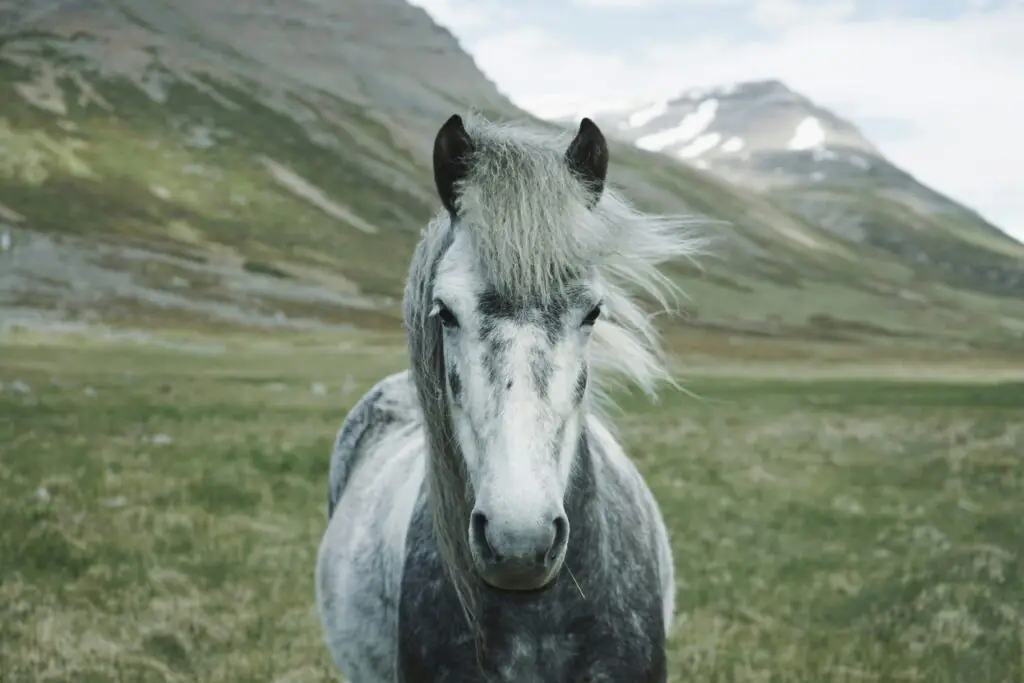
Technically yes. Because of their size, Icelandic horses are considered pony-sized, but they are still referred to as horses due to their strength and build.
- Why are Icelandic horses so special?
Icelandic horses are unique because they have five natural gaits, are extremely hardy, and have remained genetically pure for more than 1,000 years.
- Can tourists ride Icelandic horses in Iceland?
Yes. Many farms offer horseback riding tours in Iceland, suitable for beginners and experienced riders.
- Do Icelandic horses stay outside in winter?
Yes. Icelandic horses are well adapted to the climate and often stay outside year-round thanks to their thick winter coats.
- Is it safe to stop your car to see Icelandic horses?
Only stop in designated parking areas or pull-offs. Stopping on the road can be dangerous, and off-road driving is illegal in Iceland.
See Icelandic Horses on Your Iceland Road Trip
Icelandic horses are an essential part of Iceland’s culture, history, and countryside. Whether you join a horseback riding tour or simply see them grazing while driving, they are one of the most memorable animals you will encounter in Iceland.
One of the easiest ways to experience them is during a self-drive trip around Iceland.
With cheap rental car from Firefly Iceland, you can explore scenic countryside routes, stop at horse farms, and experience these incredible Viking-era horses along the way.