Iceland is widely regarded as one of the world’s top fishing destinations, offering a rare mix of pristine nature, diverse fish species, and well-managed fishing waters. Located on the Mid-Atlantic Ridge, Iceland benefits from the meeting point of cold Arctic currents and the warmer Gulf Stream. This natural combination creates nutrient-rich waters that support both abundant marine life and healthy freshwater ecosystems.
Fishing has played a vital role in Iceland’s survival for centuries and remains deeply embedded in the country’s culture and economy. Today, Iceland is also known for its strong focus on sustainable fishing practices, ensuring that fish stocks remain healthy for future generations while maintaining world-class fishing experiences for visitors.
The History of Fishing in Iceland
Fishing has been central to Icelandic life since the first Norse settlers arrived in the 9th century. Early Icelanders quickly realised the importance of the surrounding waters and relied heavily on fishing for food and trade.
By the Middle Ages, Icelandic fish, especially dried cod, became a valuable export to Europe. Trade routes supported by the Hanseatic League helped Iceland survive periods of volcanic activity, harsh winters, and economic hardship.
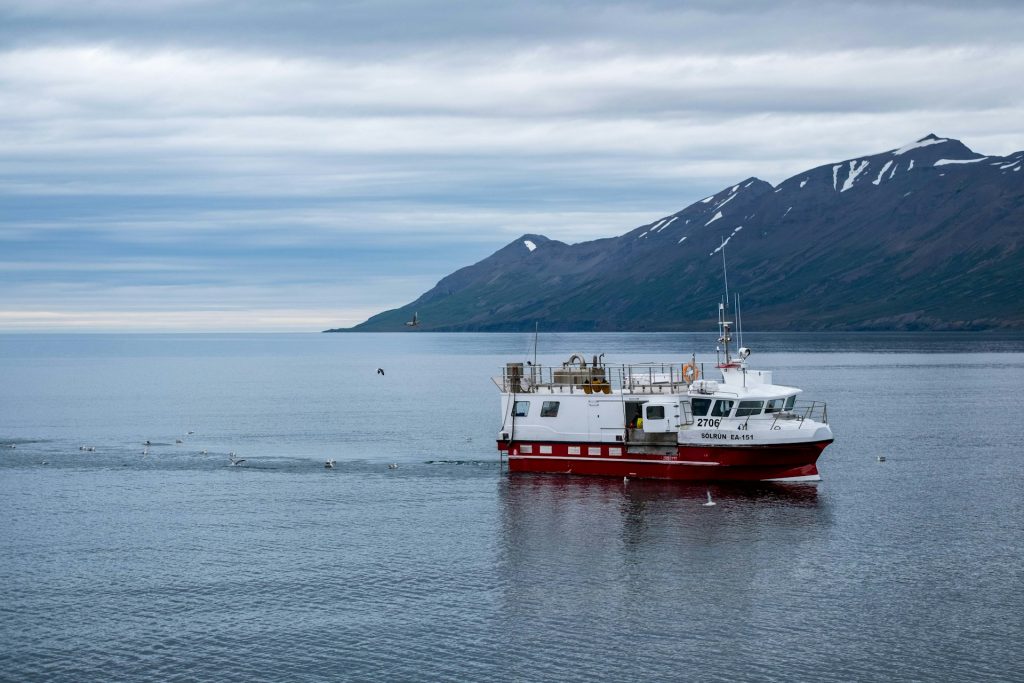
The 20th century marked a turning point with the introduction of mechanized fishing vessels and modern technology. Iceland also established exclusive fishing zones and strict quota systems, positioning itself as a global leader in sustainable fisheries management.
Icelandic Fishing Culture
Fishing remains deeply woven into Icelandic culture, shaping daily life, traditions, and cuisine. Fish such as cod, haddock, Arctic char, and Atlantic salmon are staples in Icelandic food culture, prepared fresh, smoked, dried, or salted using recipes passed down through generations.
Icelandic folklore is filled with stories of the sea, mythical creatures, and legendary fishing journeys, highlighting the country’s long-standing connection to the ocean.
Even today, fishing communities across Iceland celebrate their heritage through local festivals, seafood events, and cultural gatherings, reinforcing the importance of fishing to Iceland’s national identity.
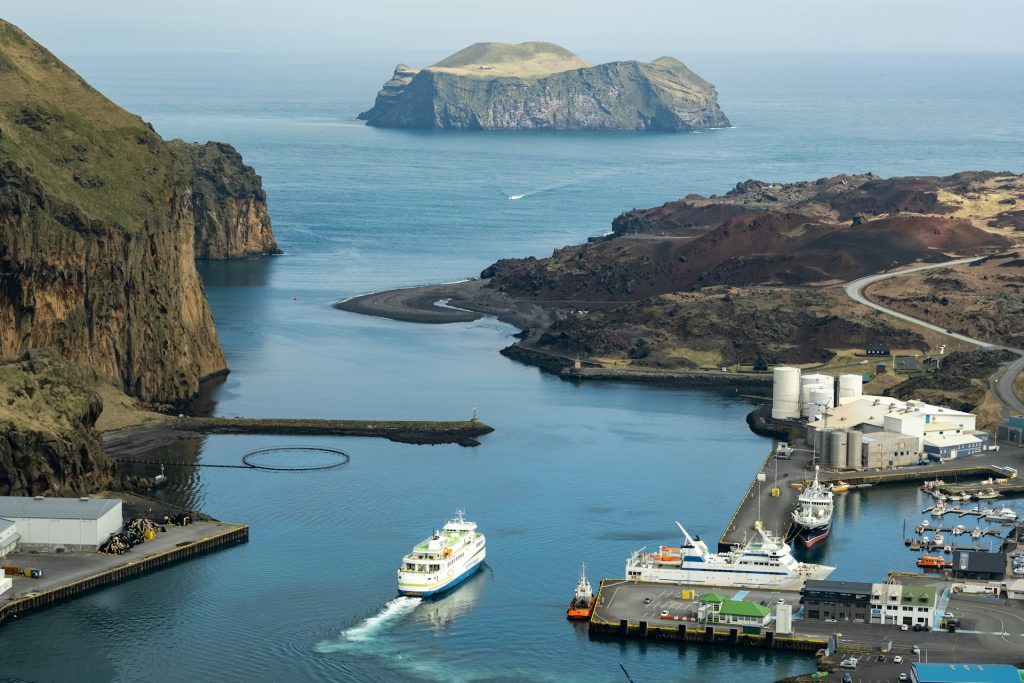
Types of Fishing in Iceland
Iceland offers a wide range of fishing experiences suitable for beginners and experienced anglers alike.
Freshwater Fishing
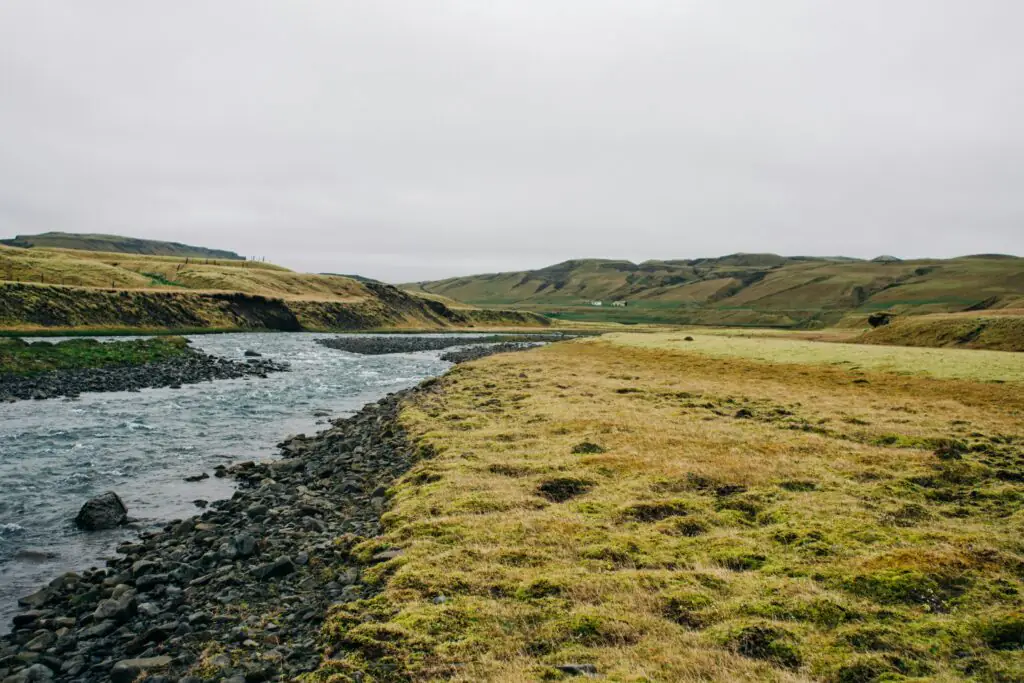
Freshwater fishing in Iceland is world-famous for its clean waters and unique fish population, often set in dramatic natural landscapes.
Saltwater Fishing
The waters surrounding Iceland provide excellent saltwater fishing opportunities thanks to the rich marine ecosystem.
River Fishing
In addition to salmon, Icelandic rivers are home to trout and Arctic char. Rivers such as Varmá, Brúará, and West Rangá are popular and easily accessible with proper permits.
Lake Fishing
With a valid fishing card, anglers can access dozens of lakes across Iceland, offering peaceful settings and excellent fishing conditions.
Ice Fishing
Despite its name, Iceland does not offer reliable ice fishing. Winter temperatures rarely create safe, stable ice conditions.
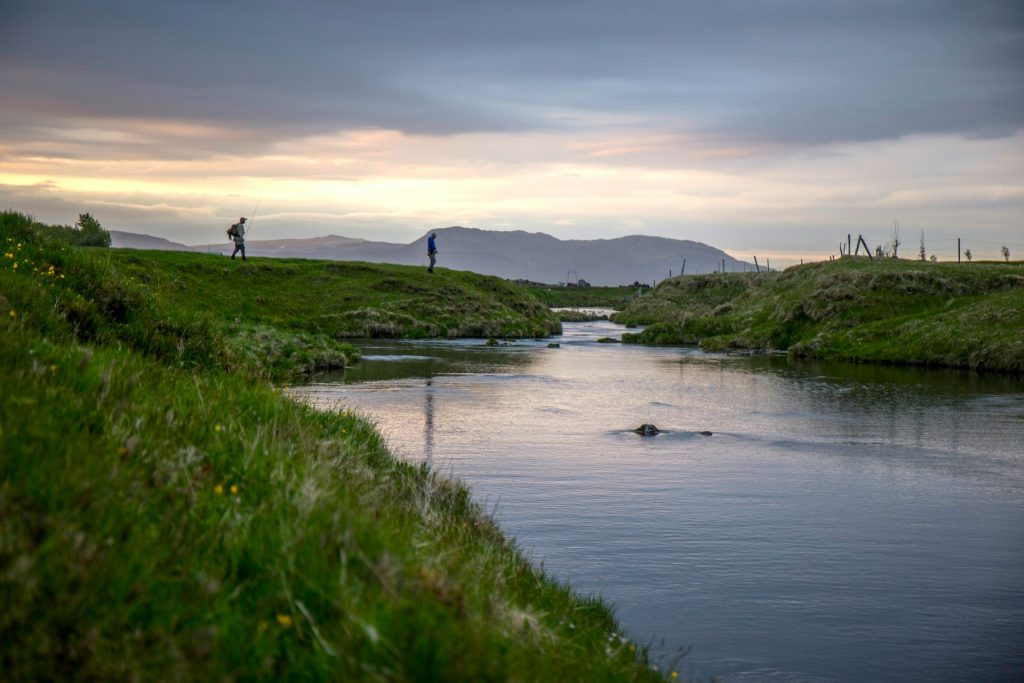
Freshwater Fish Species in Iceland
Iceland’s freshwater ecosystems are remarkably clean and well protected, creating ideal conditions for healthy fish populations. Cold oxygen-rich waters flowing from glaciers and springs support a small but distinctive range of freshwater fish species. These species are highly valued by anglers for both their size and fighting strength, making freshwater fishing in Iceland especially rewarding.
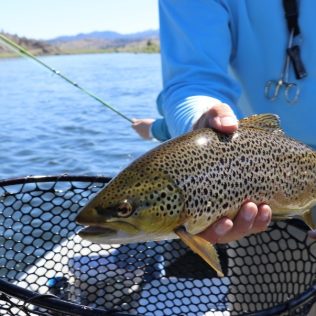
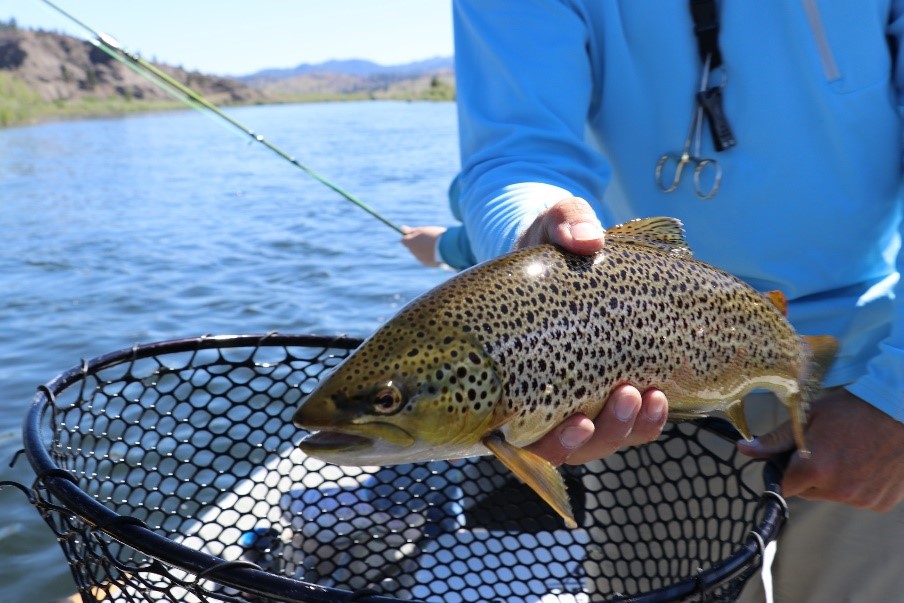
Brown Trout
Iceland is home to unique strains of brown trout, some reaching impressive sizes. They are commonly found in isolated lakes such as Lake Þingvallavatn, located along the Golden Circle route.
Arctic Char
Arctic char is most widespread freshwater fish in Iceland. It thrives in cold, clear waters and is highly valued for both sport fishing its flavor.
Atlantic Salmon
Atlantic salmon is considered the crown jewel of Icelandic river fishing. The main season runs from June to September, attracting anglers from around the world.
Popular Freshwater Fishing Locations
- Lake Þingvallavatn – Famous for its large brown trout and crystal-clear waters
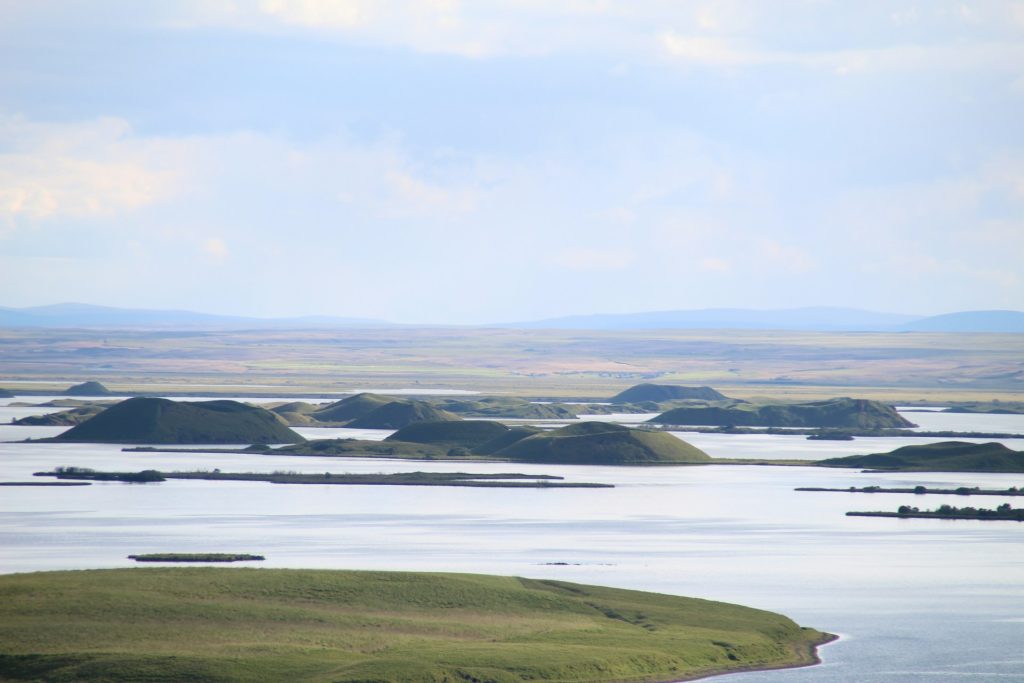
- Lake Mývatn – A top fly-fishing destination surrounded by volcanic landscapes
- Salmon Rivers – Fossá, Laugardalsá, Miðfjarará, and West Rangá, each with specific regulations to support sustainability
Saltwater Fishing in Iceland
Iceland’s coastline offers excellent sea fishing opportunities, supported by nutrient-rich waters.
Common saltwater species include:
- Atlantic Cod
- Haddock
- Mackerel
- Atlantic Halibut
Sea Angling Hotspots
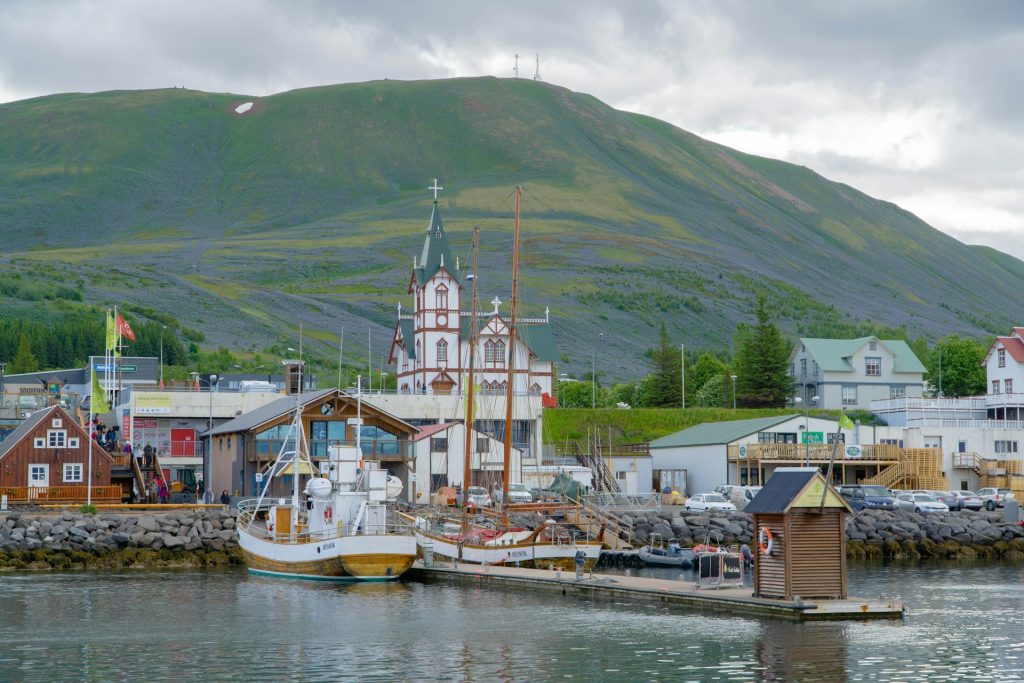
- Reykjavik’s Old Harbour – Easy access to sea angling and fishing tours
- Coastal villages around Iceland – Offering authentic fishing experience combined with stunning coastal scenery.
Best Time for Fishing in Iceland
- Salmon fishing: June to September
- Trout and Arctic char: April to September
- Fly fishing: Late May to early October
Fishing seasons vary by location, and permits are required for most rivers and lakes.
Fly Fishing in Iceland
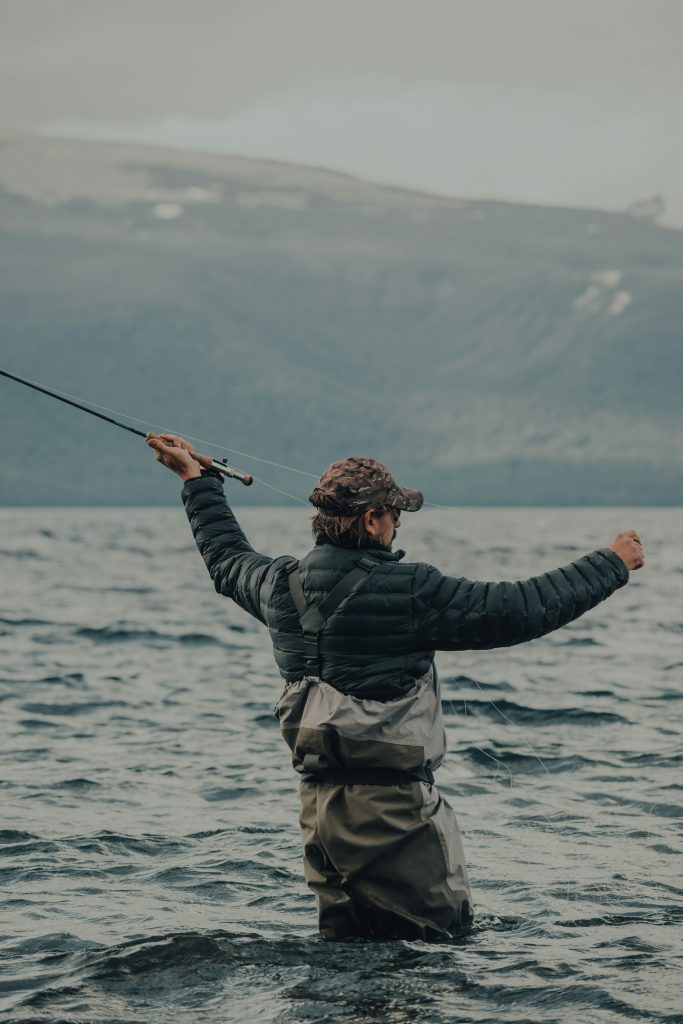
Fly fishing in Iceland combines world-class angling with untouched natural beauty. Crystal-clear rivers, volcanic landscapes, and long daylight hours make Iceland ideal for fly fishing enthusiasts.
Fly Fishing Equipment Tips
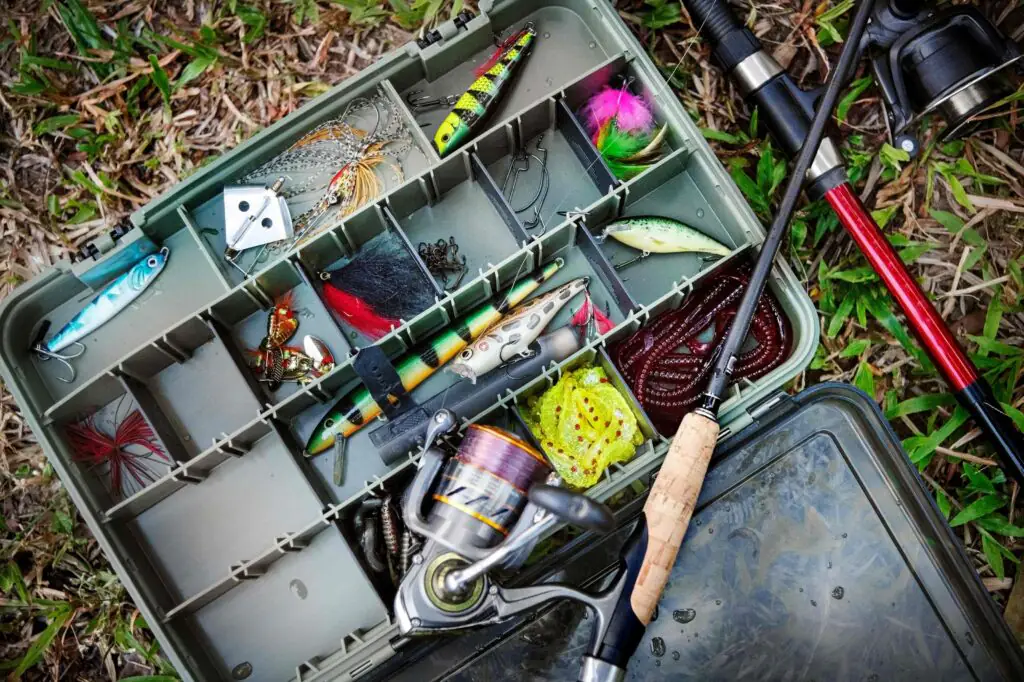
Choosing the right fly fishing equipment in Iceland is essential due to changing weather conditions, varying water levels, and the different species found in rivers and lakes across the country.
- Rods:
- Trout and char: 9 ft; 5-7 weight
- Salmon; 9-10 ft, 7-9 weight
- Clothing: Waterproof jacket, waders, warm layers
- Flies: A mix of Icelandic patterns and international favorites
Fishing Regulations and Permits in Iceland
Fishing in Iceland is strictly regulated to protect fragile ecosystems. Anglers must acquire fishing licenses (veiðileyfi) for each river or lake they intend to fish in. These licenses are limited in number and are typically sold on a daily basis.
Key rules include:
- Fishing is allowed from 7:00 AM to sundown
- Salmon fishing requires specific river permits
- All fishing equipment must be sterilized before use
- Catch limits and catch-and-release rules may apply
- Net fishing for salmon is limited to specific weekdays
Always check local regulations before fishing.
Why Choose Firefly Iceland Car Rental
Many of Iceland’s best fishing spots are spread remote regions and coastal areas. Having a rental car gives you the flexibility to explore multiple fishing locations at your own pace.
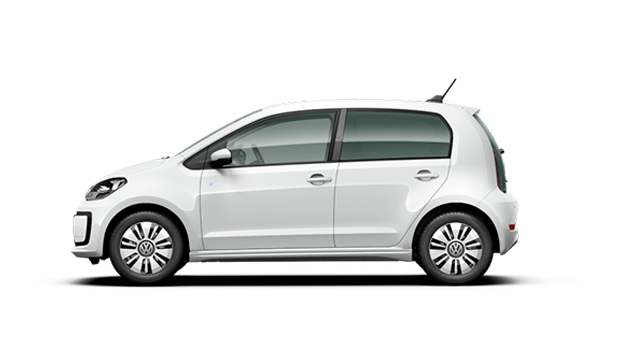
Firefly Iceland offers cheap car rentals that are ideal for anglers who want reliable transportation without overspending. Whether you are driving to lakes, rivers, or coastal harbours, renting a car makes your fishing trip smoother and more enjoyable.
Best Rental Cars for Fishing Trips in Iceland
SUVs and 4x4s
- Better ground clearance for gravel roads
- Ideal for remote lakes and river access
- More stable in changing weather conditions.
Compact Cars
- Great for coastal fishing and city-based sea angling
- Fuel-efficient and easy to park
- Suitable for paved roads and short distances
FAQ: Fishing in Iceland
- Do I need a fishing license in Iceland
Yes. A fishing permit is required for almost all rivers and lakes. Permits are usually sold per day and per location.
- Can tourists go fishing in Iceland?
Yes. Fishing is open to visitors, but regulations are strict and must be followed carefully.
- Is fishing allowed year-round in Iceland?
Some fishing is possible year-round, but most seasons run from spring to early autumn, depending on the species.
- Can I fish without a guide?
Yes. Many locations allow self-guided fishing if you have the correct permits and equipment.
- Is it easy to reach fishing spots by car?
Yes. Many fishing locations are accessible by car, especially with a rental vehicle suited to Icelandic road conditions.
Conclusion: Experience Fishing in Iceland the Right Way
Fishing in Iceland is more then just an activity. It is a chance to connect with the country’s raw nature, long traditions, and carefully protected ecosystems. From crystal-clear rivers and peaceful lakes to rich coastal waters, Iceland offers unforgettable fishing experiences for anglers of all levels.
Whether you are fly fishing for Arctic char, casting for Atlantic salmon, or trying sea angling along the coast, planning ahead and respecting local regulations is essential. Choosing the right season, securing the correct permits, and following sustainable fishing practices all help protect Iceland’s waters for future generations.
With the freedom of a rental car from Firefly Iceland, you can reach fishing spots that tours often miss and travel at your own pace. Reliable transportation allows you to explore multiple locations, adapt to weather conditions, and fully enjoy the journey as much as the catch.
Plan responsibly, respect nature, and enjoy the unique blend of adventure and tranquility that makes fishing in Iceland truly special.