When traveling in Iceland, farms might not be the first places that come to mind. Yet some of the country’s most memorable food experiences happen far from cities, right where ingredients are grown, harvested, and prepared.
From dairy farms and organic fields to geothermal green houses, visiting Icelandic farms lets you taste the country in its purest form. These experiences combine local cuisine, sustainable farming, and scenic countryside, making them perfect stops on a self-drive trip around Iceland.
Below are four Icelandic farms worth adding to your itinerary, each located in a different region of the country.
Why Visit Farms in Iceland?
Farm visits in Iceland are more than just food stops. They offer insight into Icelandic culture, sustainability, and rural life.
Key reasons to add farms to your Iceland itinerary:
- Taste fresh, locally produced Icelandic food
- Learn about sustainable organic farming in Iceland
- Support small family-run businesses
- Experience rural Iceland beyond major tourist attractions
- Combine food stops with scenic road trips
Farm visits fit easily into a self-drive itinerary and work well alongside waterfalls, hot springs, and nature sights.
West Iceland: Erpsstaðir Dairy Farm near Búðardalur
Located in West Iceland near Búðardalur, Erpsstaðir is famous for producing some of the best ice cream in Iceland
This family-run dairy farm makes ice cream, skyr, feta cheese, and other dairy products using milk from their own cows. One of the highlights is the large window separating the shop from the milking room, letting visitors see exactly where the ingredients come from.
What makes Erpsstaðir special:
- Handmade ice cream in unique seasonal flavors
- Traditional Icelandic skyr and dairy products
- On-site accommodation for overnight stays
- Quiet countryside setting in West Iceland
This is an ideal stop when driving between Reykjavík and the Snæfellsnes Peninsula or on your way to the Westfjords.
North Iceland: Vogafjós Farm Restaurant at Lake Mývatn
In North Iceland, near Lake Mývatn, you will find Vogafjós, a working cattle farm with a restaurant, café, and guesthouse.
Vogafjós is known for its farm-to-table philosophy. Many dishes on the menu feature milk, meat, and ingredients sourced directly from the farm itself or nearby producers.
Why Vogafjós is worth visiting:
- Farm-fresh Icelandic cuisine
- Views into the cowshed from the dining area
- Excellent stop while exploring Lake Mývatn attractions
- Guesthouse for travelers exploring North Iceland
It pairs perfectly with nearby geothermal areas, lava fields, and nature baths.
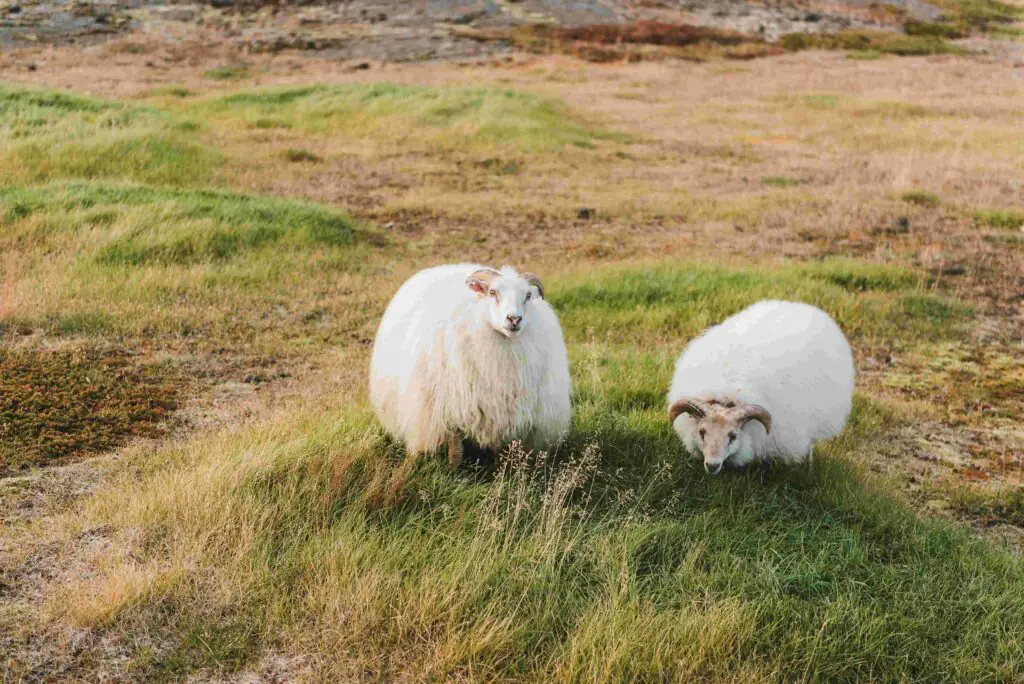
East Iceland: Vallanes Organic Farm and Móðir jörð
In East Iceland, Vallanes stands out as one of the country’s most impressive organic farms.
Vallanes is the home of the Móðir jörð brand, producing a wide range of high-quality organic foods and wellness products. Everything is grown and made in Iceland, focusing on sustainability and clean ingredients.
Products include:
- Organic cereals, breads, and grains
- Jams, chutneys, and spread
- Plant-based foods and veggie burgers
- Natural oils and wellness products
The farm also offers charming accommodation, making it an excellent base for exploring East Iceland’s quieter landscapes.
South Iceland: Friðheimar Tomato Farm
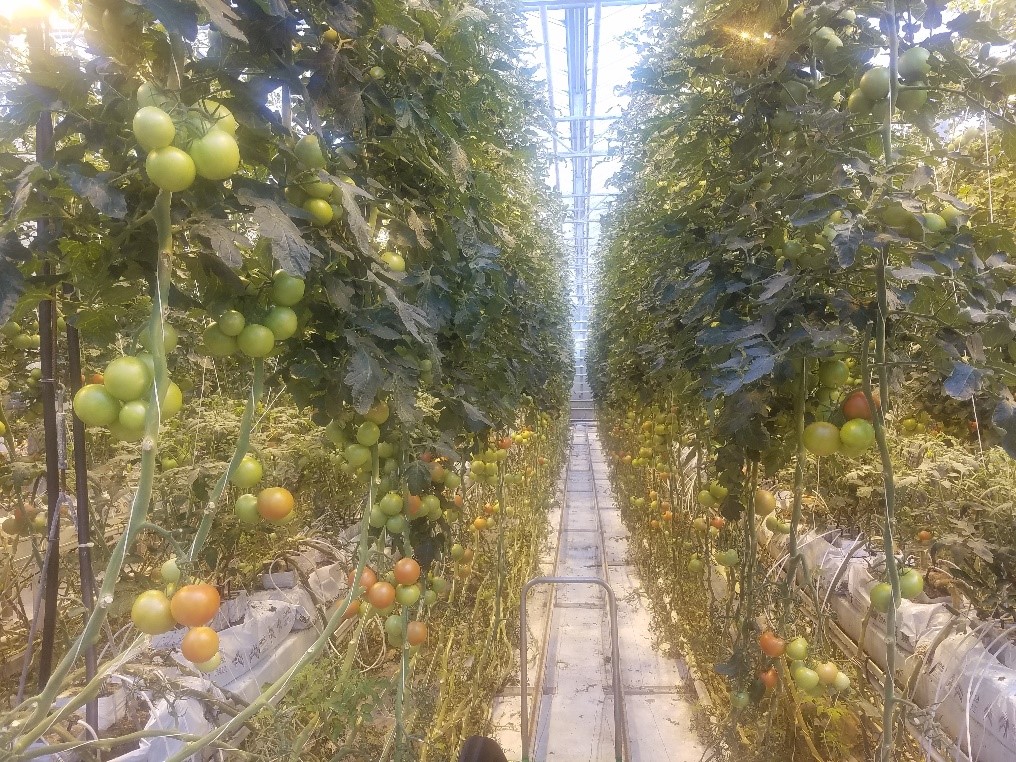
No farm list in Iceland is complete without Friðheimar, one of the country’s most famous geothermal green house.
Friðheimar produces tomatoes year-round using geothermal energy and natural light. Inside the green house, you will find a restaurant serving tomato-based dishes, with the famous tomato soup being the star.
Why Friðheimar is so popular:
- Dining inside a warm green house surrounded by tomato plants
- Fresh tomato soup and bread buffet
- On-site shop selling tomato products
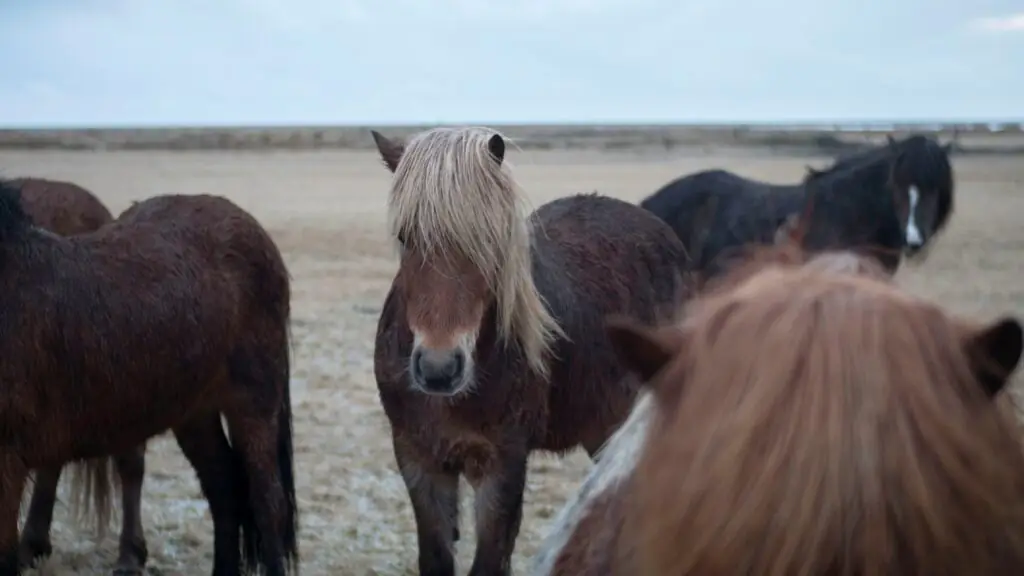
- Icelandic horses on the property
Located near the Golden Circle, Friðheimar is easy to combine with Þingvellir, Geysir and Gullfoss.
Planning a winter trip? You might also find this helpful: Iceland Winter Wear – What to Wear for a Winter Trip to Iceland
How to Add Farm Visits to a Self-Drive Trip in Iceland
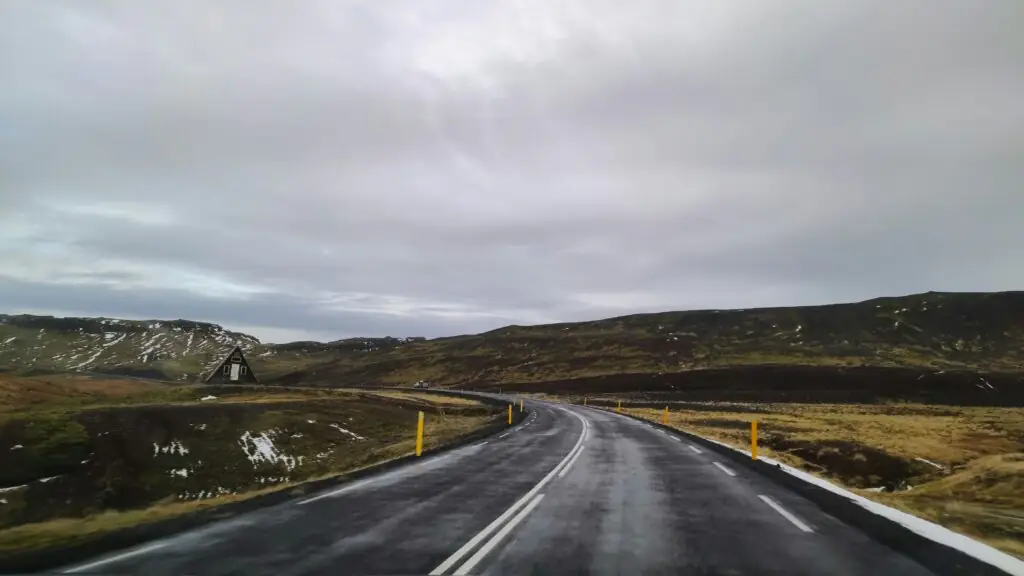
Most Icelandic farms are located outside cities and easiest to reach by car. A self-drive trip gives you the flexibility to stop for food experiences without being tied to tour schedules.
Tips for planning farm visits:
- Check opening hours in advance, especially outside summer
- Combine farm stops with nearby attractions
- Allow extra time for food stops, not just quick visits
- Respect private areas and farm rules
Related Reading: Essential Travel Tips for Driving in Iceland.
FAQ: Visitng Farms in Iceland
- Are Icelandic Farms in Iceland
Many farms welcome visitors, but not all areas are open to the public. Restaurants, shops, and visitor centers are clearly marked, while working areas may be restricted.
- Do I need to book farm restaurants in advance?
Popular places like Friðheimar and Vogafjós often require advance reservations, especially in summer.
- Are farm visits suitable for families?
Yes. Many farms are family-friendly and offer open spaces, animals, and casual dining environments.
- Can I visit farms year-round in Iceland?
Some farms operate year-round, while others have limited winter hours. Summer offers the widest access.
- Are farm visits expensive in Iceland?
Prices are similar to restaurants elsewhere in Iceland, but the quality, freshness, and experience often make them excellent value.
Final Thoughts
Visiting farms in Iceland is a rewarding way to experience the country beyond the main tourist attractions. From ice cream made right next to the cows to dining inside a geothermal green house, these stops offer a closer connection to Icelandic food, nature, and rural life.
Because most farms are located in the countryside, having your own car makes the experience far more flexible. Renting a car from Firefly Iceland allows you to travel at your own pace, explore quieter regions, and easily add farm visits to your road trip itinerary without relying on organized tours.