Many first-time visitors wonder: why is Iceland called Iceland?
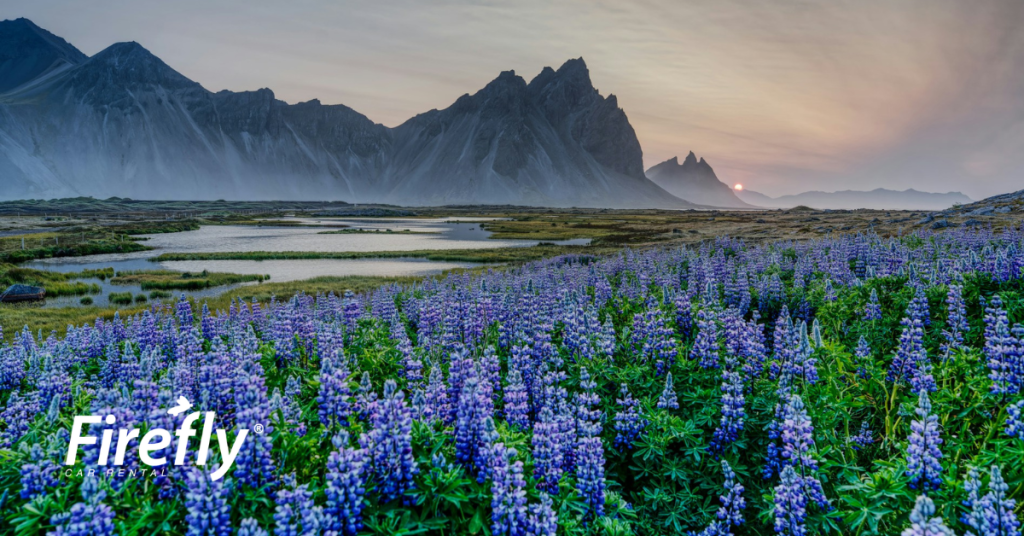
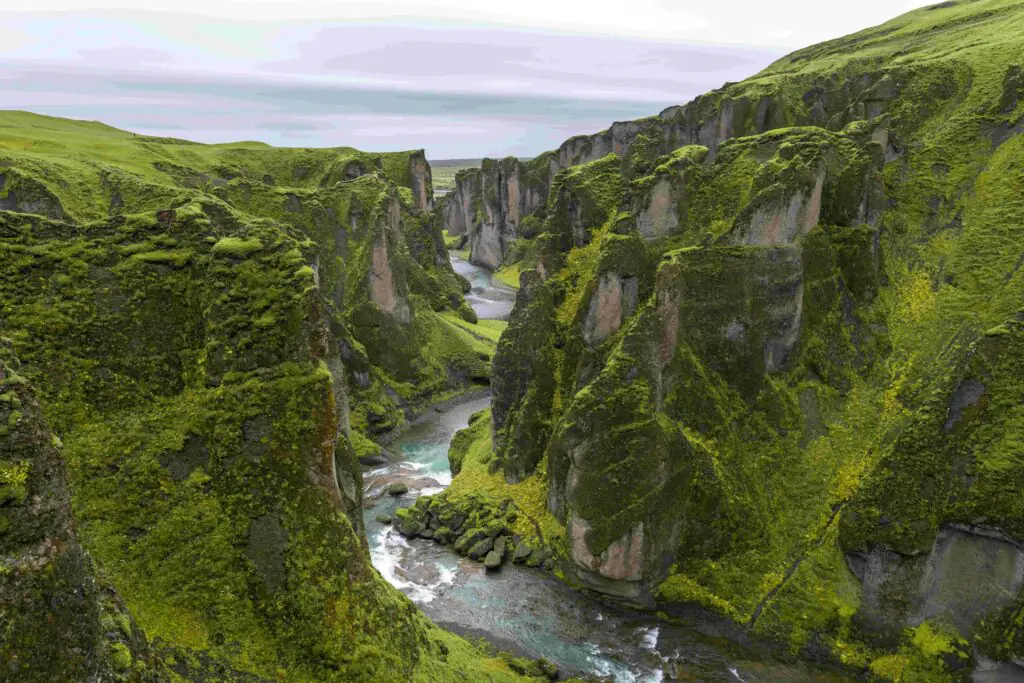
After all, Iceland isn’t completely covered in ice. In fact, much of the country is green during summer, with rolling hills, lava fields, waterfalls, and grassy valleys. Meanwhile, neighboring Greenland is mostly covered by ice despite its much greener-sounding name.
The story behind Iceland’s name dates back more than 1,100 years and involves Viking explorers, legendary ravens, and some of the first settlers to cross the North Atlantic.
Let’s explore how Iceland got its name and why it still fascinates travellers today.
Quick Answer: Why is Iceland Called Iceland?
Iceland was named by the Norse explorer Hrafna Flóki, also known as Raven Flóki, during the 9th century.
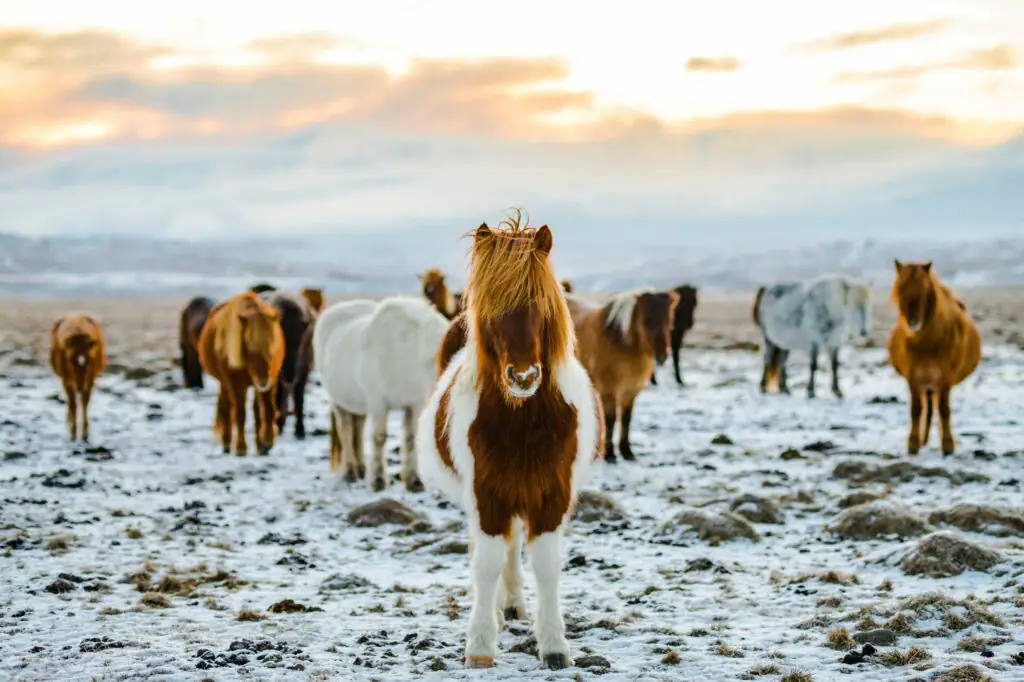
According to Icelandic history, Flóki arrived on the island and climbed a mountain overlooking a fjord filled with drifting sea ice. After seeing the icy landscape, he named the country “Ísland,” which means “Land of Ice” in Old Norse.
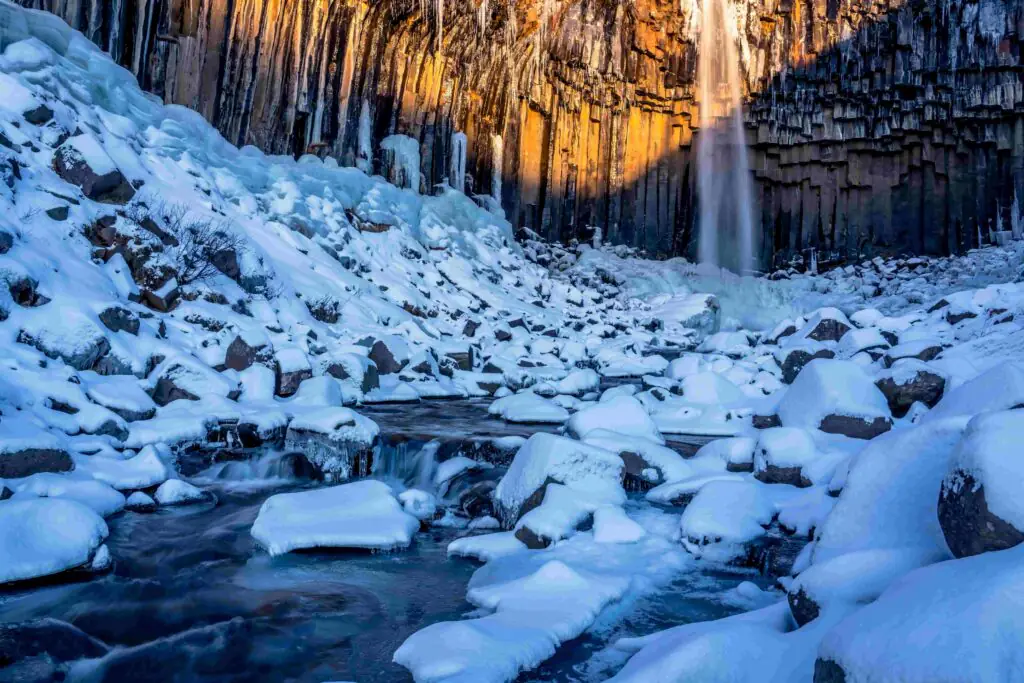
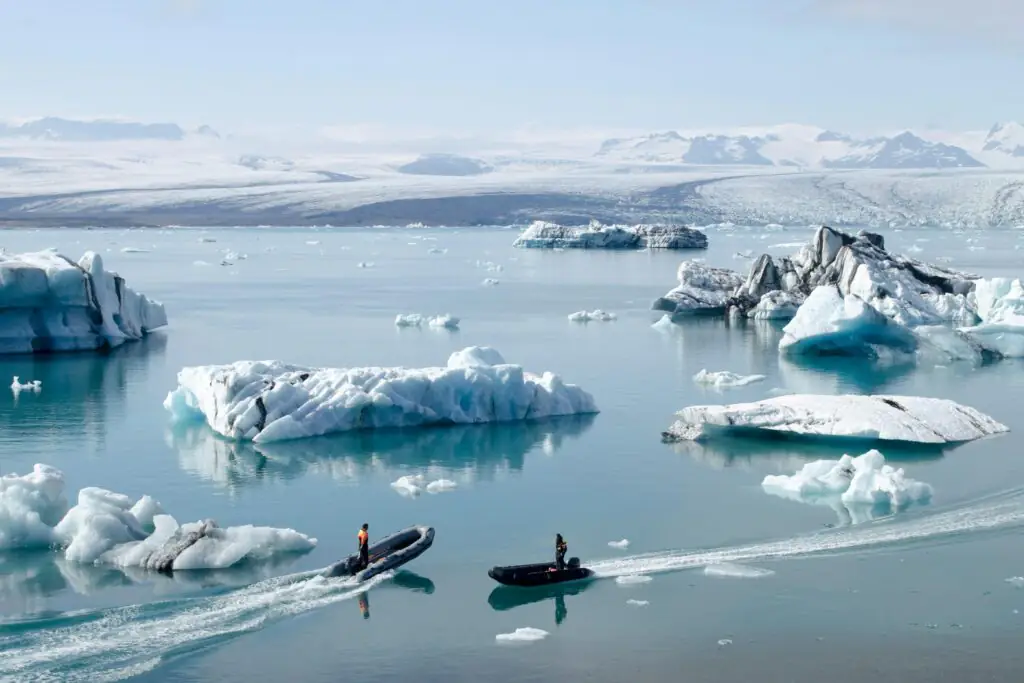
Despite its name, only around 10% of Iceland is covered by glaciers today.
The Settlement of Iceland: Who Were the First Settlers?
The first permanent settlers of Iceland are believed to have arrived during the late 9th century.
Most historians agree that Norse settlers from Norway began establishing permanent communities between 870 and 874 AD. However, some archaeological evidence suggests people may have visited Iceland even earlier.
These early settlers crossed the North Atlantic Ocean in wooden Viking ships searching for new land, resources, and opportunities.
One of the most famous settlers was Ingólfur Arnarson, who established the first permanent settlement on the site of modern-day Reykjavík, Iceland’s capital city.
Life in Iceland was not easy. Early settlers faced long winters, volcanic eruptions, isolation, and unpredictable weather. Despite these challenges, they successfully built communities that would eventually grow into modern Iceland.
Today, visitors can learn more about Iceland’s settlement history at museums including:
- The National Museum of Iceland in Reykjavík
- The Settlement Exhibition in Reykjavík
- The Settlement Center in Borgarnes
Iceland
Who Was Hrafna Flóki?
Hrafna Flóki Vilgerðarson, often called Raven Flóki, was a Norse explorer who is traditionally credited with naming Iceland.
Flóki sailed from Norway with his family and crew in search of new land across the Atlantic. Unlike many sailors of his time, he used ravens to help navigate.
According to legend, Flóki released three ravens during his voyage.
- The first raven flew back toward the Faroe Islands.
- The second returned to the ship.
- The third flew northwest and never came back.
Believing the raven had found land, Flóki followed its direction and eventually reached Iceland.
After spending a difficult winter on the island, he climbed a nearby mountain and looked down upon a fjord filled with ice. Inspired by what he saw, he named the land “Ísland.”
Although Iceland’s name may sound harsh, Flóki’s description reflected what he experienced at that specific moment rather than the entire country.
Was Iceland Really Covered in Ice?
Not entirely.
While Iceland is home to some of Europe’s largest glaciers, much of the country has never been covered in ice year-round.
Today, glaciers cover approximately 10% of Iceland’s landmass. Some of the most famous include:
- Vatnajökull, Europe’s largest glacier
- Langjökull
- Mýrdalsjökull
- Eyjafjallajökull
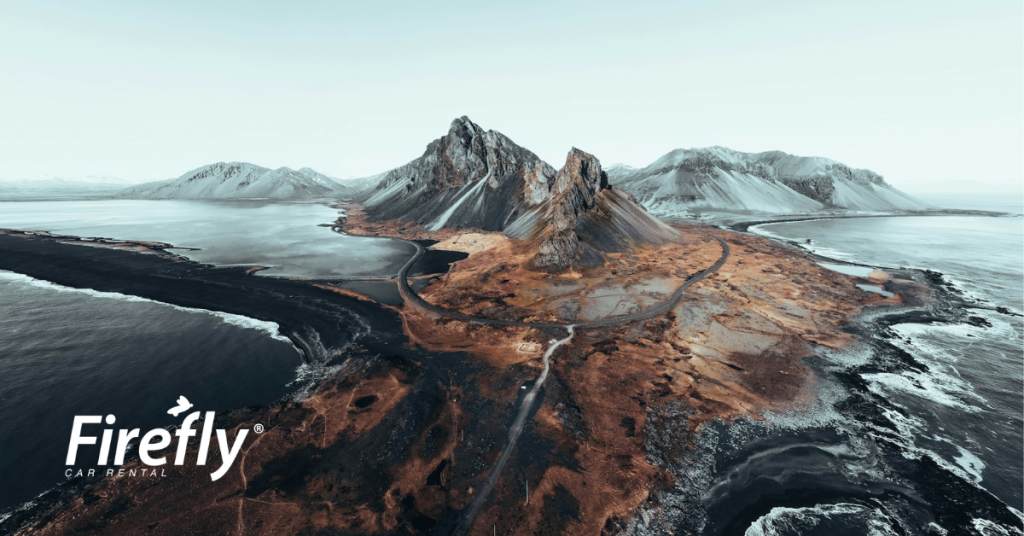
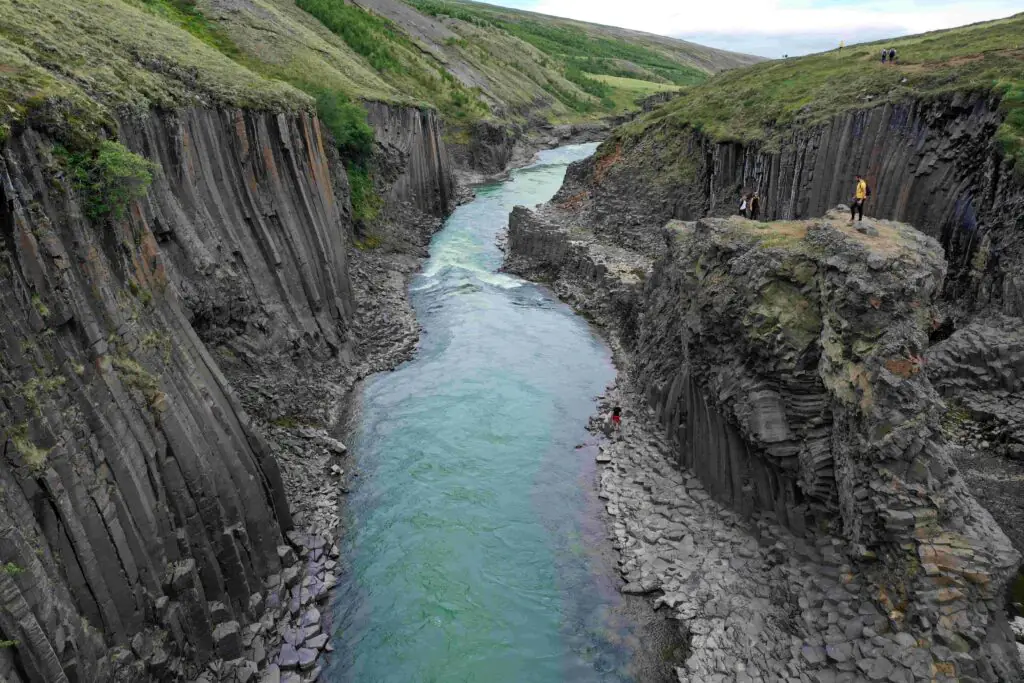
The rest of Iceland features diverse landscapes including:
- Green valleys
- Volcanic deserts
- Black sand beaches
- Waterfalls
- Mountains
- Lava fields
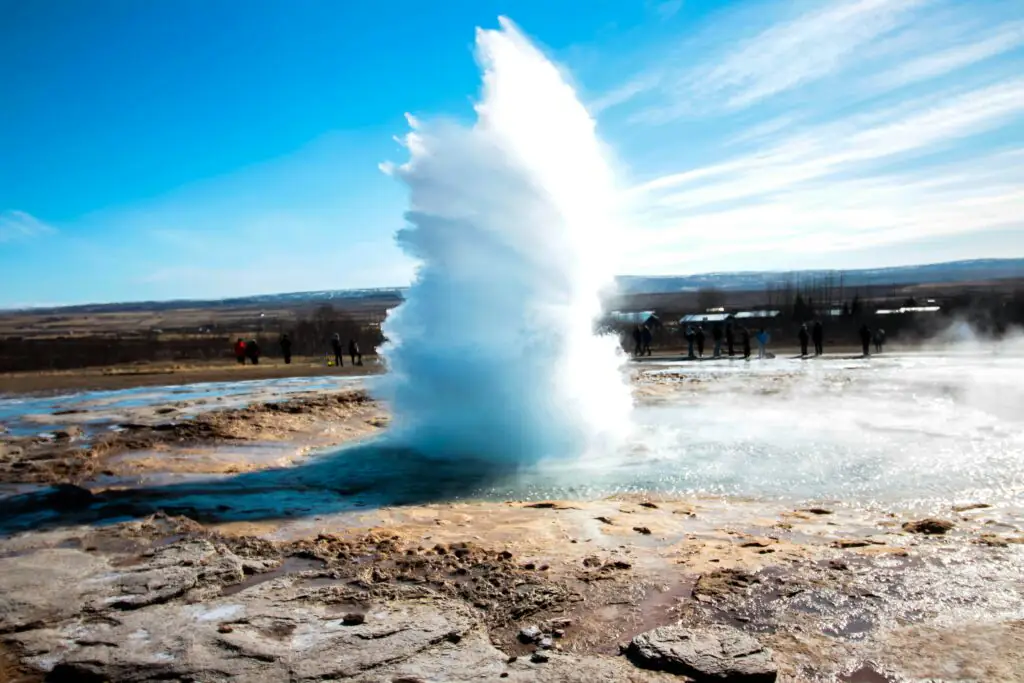
- Geothermal areas
Many visitors arrive expecting a frozen island and are surprised by how green Iceland can be, particularly during the summer months.
Iceland and Greenland: Why Do They Have Opposite Names?
One of the most common questions travelers ask is:
“If Iceland is green and Greenland is icy, why weren’t they named the other way around?”
The answer lies in Viking history
While Hrafna Flóki named Iceland after seeing sea ice, Greenland received its name from another famous Norse explorer: Erik the Red.
Erik the Red founded the first Norse settlement in Greenland around 985 AD. According to historical accounts, he chose the name Greenland because it sounded attractive and would encourage more settlers to move there.
The strategy apparently worked.
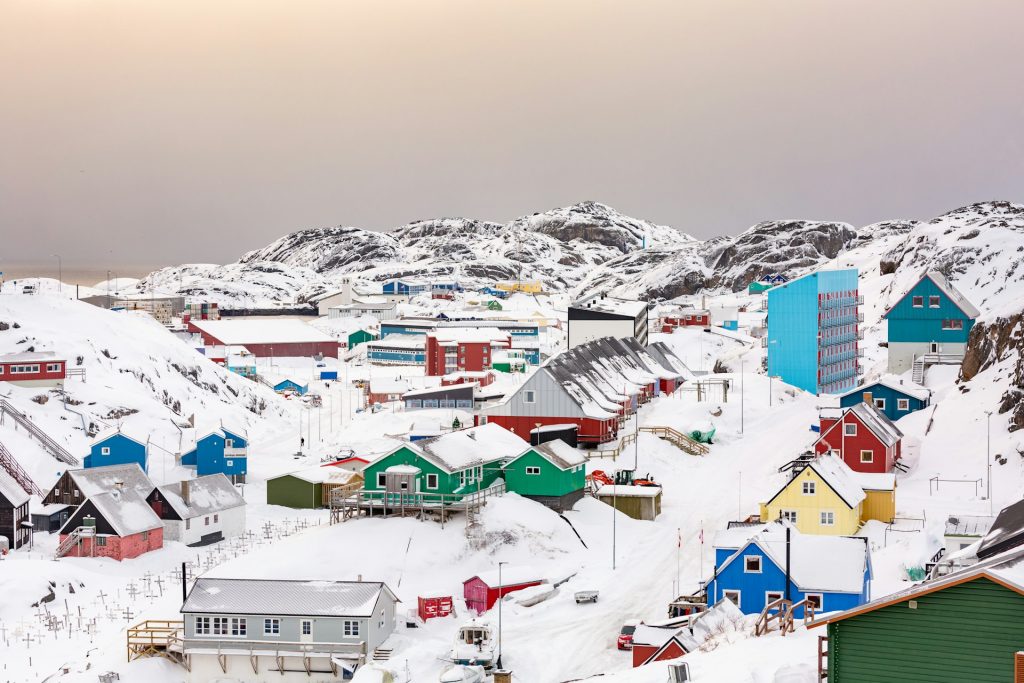
Today, Greenland is approximately 80% covered by the Greenland Ice Sheet, while Iceland is significantly greener thanks to its milder climate and the warming influence of the North Atlantic Ocean.
This contrast continues to confuse travelers more than a thousand years later
A Land of Challenges and Survival
For Iceland’s first settlers, survival was never guaranteed.
Volcanic eruptions frequently disrupted farming and food supplies. Harsh winters and isolation made life difficult, while storms often cut off communication with the outside world.
One of the most devastating events in Icelandic history was the Laki eruption of 1783, which caused widespread famine and affected much of Europe.
Disease also reached Iceland despite its remote location. During outbreaks of the Black Death, the country lost a significant portion of its population.
Yet Icelanders endured.
The country’s famous sagas, literature, and historical records provide detailed accounts of how generations adapted to one of the world’s most challenging environments.
This resilience remains an important part of Icelandic identity today.
Interesting Facts About Iceland’s Name
Here are some fascinating facts about Iceland:
- Iceland’s official Icelandic name is Ísland
- Hrafna Flóki means “Raven Flóki”
- Iceland was one of the last major landmasses permanently settled by humans.
- Only around 10% of Iceland is covered by glaciers.
- Iceland’s parliament, Alþingi was founded in 930 AD and is one of the oldest parliamentary institutions in the world.
- Iceland sits on the boundary between the North American and Eurasian tectonic plates.
- More than 130 volcanoes and volcanic systems exist across Iceland.
Why the Name Still Matters Today
Although Iceland’s name originated more than a millennium ago, it continues to shape how people perceive the country.
For many travelers, the name immediately brings images of glaciers, snow-covered mountains, and dramatic landscapes.
While Iceland certainly offers all of these, visitors often discover a much more varied destination filled with green valleys, geothermal hot springs, volcanic landscapes, and vibrant towns.
The contrast between expectation and reality is part of what makes Iceland so memorable.
Explore Iceland’s History on a Self-Drive Adventure
The best way to experience Iceland’s history, landscapes, and culture is with the freedom of a rental car.
A self-drive trip allows you to explore historical sites connected to Iceland’s settlement, including Reykjavík, Þingvellir National Park, Borgarnes, and many of the regions first explored by Viking settlers.
You’ll also have the flexibility to visit waterfalls, glaciers, black sand beaches, volcanic landscapes, and remote villages at your own pace.
Firefly Iceland offers cheap rental cars with a convenient shuttle service from Keflavík International Airport to Keflavík town, where you can quickly collect your vehicle and begin your Iceland adventure. Pick-up is also available in Reykjavík for added flexibility.
Whether you’re interested in Viking history, stunning scenery, or an unforgettable road trip, exploring Iceland by car remains one of the best ways to discover everything the country has to offer.
Frequently Asked Questions
- Why is Iceland called Iceland?
Iceland was named by the Norse explorer Hrafna Flóki after he saw a fjord filled with sea ice during his exploration of the island in the 9th century.
- Who named Iceland?
Hrafna Flóki Vilgerðarson, also known as Raven Flóki, is traditionally credited with naming Iceland.
- What does Iceland mean?
The name Iceland comes from the Old Norse word “Ísland.” which translates to “Land of Ice.”
- Is Iceland covered in ice?
No. Only around 10% of Iceland is covered by glaciers. Most of the country consists of mountains, lava fields, rivers, valleys, and coastal areas.
- Why is Greenland called Greenland?
Erik the Red named Greenland to attract settlers. Despite its name, around 80% of Greenland is covered by ice.
- Who were the first settlers of Iceland?
The first permanent settlers were Norse explorers and farmers who arrived from Norway during the late 9th century.
- Is Iceland greener than Greenland?
Yes. Iceland has much more visible vegetation and grassland than Greenland, which remains largely covered by ice.
- What is the best way to explore Iceland?
Renting a car is one of the most popular ways to explore Iceland. A self-drive trip allows visitors to travel at their own pace and reach many of Iceland’s top attractions.
Discover the Real Iceland
The story of why Iceland is called Iceland is just one of many fascinating chapters in the country’s history. While its name may suggest a frozen land, visitors quickly discover a diverse island filled with green valleys, volcanic landscapes, glaciers, waterfalls, and a rich Viking heritage.
Whether you’re interested in the journeys of the first Norse settlers, Iceland’s unique culture, or simply experiencing the country’s incredible scenery, exploring Iceland for yourself is the best way to understand what makes it so special.
With a rental car from Firefly Iceland, you can travel at your own pace and discover the places that shaped Iceland’s history, from Reykjavík and Þingvellir to remote fjords and dramatic coastal landscapes. After arriving at Keflavík International Airport, simply take the shuttle to our rental station in Keflavík town, collect your vehicle, and start your Iceland adventure.