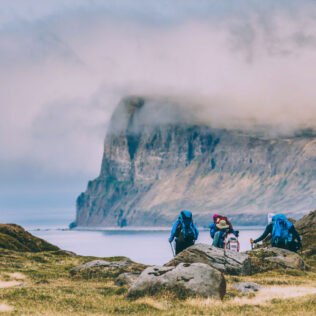
If you’re searching for one of the most remote and untouched destinations in Iceland, Hornstrandir Nature Reserve should be on your list.
Located in the far north of the Westfjords, Hornstrandir is a protected wilderness known for its dramatic sea cliffs, Arctic foxes, remote hiking trails, and breathtaking coastal scenery. Unlike most places in Iceland, there are no roads, no permanent residents, and very few signs of modern life.
This isolated peninsula offers a rare opportunity to experience Iceland’s raw natural beauty. Whether you want to spot wildlife, hike along towering cliffs, camp beneath the midnight sun, or simply escape the crowds, Hornstrandir delivers an adventure unlike anywhere else in the country.
In this guide, you’ll learn everything you need to know about visiting Hornstrandir Nature Reserve, including how to get there, the best hiking trails, when to visit, what to pack, and practical travel tips.

What Is Hornstrandir Nature Reserve?
Hornstrandir Nature Reserve is a protected area located on the northernmost tip of Iceland’s Westfjords region. Covering approximately 580 square kilometres (220 square miles), it is one of the largest protected wilderness areas in Iceland.
The reserve was established in 1975 to protect its unique landscapes, wildlife, and fragile ecosystems. Today, Hornstrandir remains one of the few places in Iceland where nature dominates entirely.
Visitors will find:
- Deep fjords and remote bays
- Towering sea cliffs
- Black sand beaches
- Arctic tundra landscapes
- Waterfalls and rivers
- Rich birdlife
- Arctic foxes
The area is perhaps most famous for Hornbjarg, one of Iceland’s largest bird cliffs, where thousands of seabirds nest during the summer months.
Because there are no roads leading into the reserve, Hornstrandir has remained largely untouched compared to many other destinations in Iceland
Why Visit Hornstrandir?
Experience Icelands True Widerness
Many popular attractions in Iceland receive thousands of visitors every day during summer. Hornstrandir offers something completely different.
Once you arrive, you’ll find yourself surrounded by untouched landscapes with few signs of human activity. There are no villages, no shops, and no traffic. Instead, you’ll discover a landscape shaped by glaciers, the ocean, and centuries of isolation.
See Arctic Foxes in the Wild
Hornstrandir is widely considered the best place in Iceland to see Arctic foxes.
The Arctic fox is Iceland’s only native land mammal and has lived on the island since the last Ice Age. Because hunting is prohibited within the reserve, foxes are often more curious and easier to observe than elsewhere in Iceland.
Wildlife photographers and nature enthusiasts regularly visit Hornstrandir specifically for the chance to see these iconic animals in their natural habitat.
Discover incredible Bird Cliffs
The cliffs of Hornstrandir attract thousands of nesting seabirds every summer.
Common species include:
- Puffins
- Arctic terns
- Black guillemots
- Fulmars
- Razorbills
- Kittiwakes
The spectacular Hornbjarg cliffs are one of the best birdwatching locations in Iceland and offer stunning views across the Greenland Sea.
Hornbjarg: The Most Famous Cliffs in Hornstrandir
Hornbjarg is the most iconic landmark in Hornstrandir Nature Reserve. Rising more than 500 metres above the Greenland Sea, these dramatic sea cliffs are home to thousands of nesting seabirds and offer some of the most spectacular views in Iceland. Many visitors consider a hike to Hornbjarg the highlight of their trip to Hornstrandir.

Best Hiking Trails in Hornstrandir
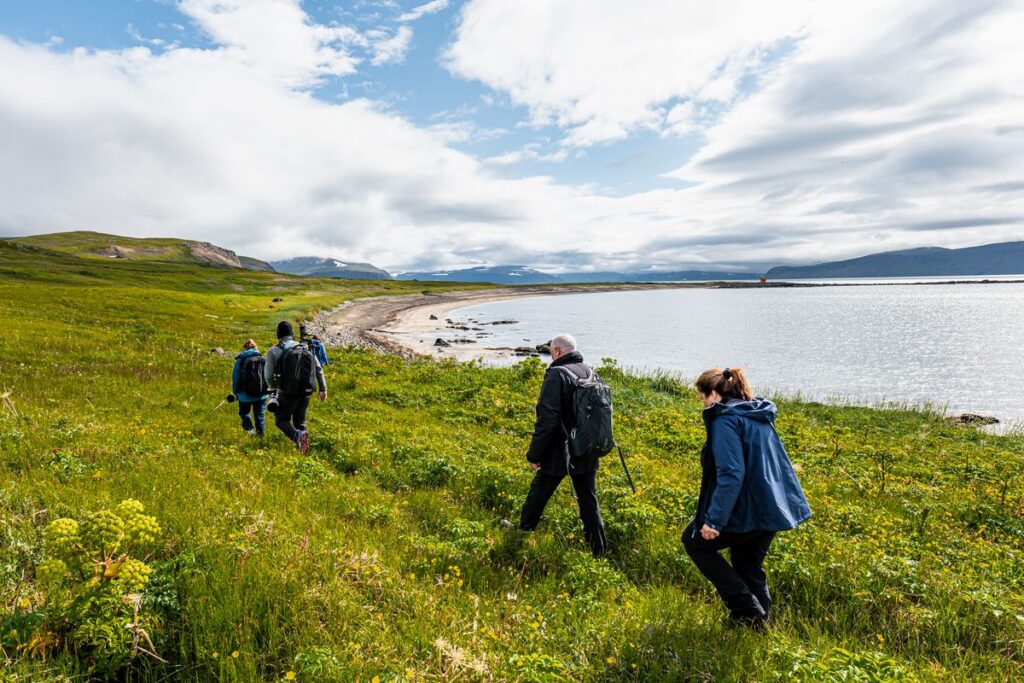
Hiking is the main reason most visitors travel to Hornstrandir. The reserve offers everything from day hikes to challenging multi-day treks through remote wilderness.
Hornvík Loop
The Hornvík Loop is one of the most popular day hikes in Hornstrandir.
This route typically takes between six and seven hours and offers incredible coastal scenery, bird cliffs, and excellent opportunities to spot Arctic foxes.
Hornbjarg Cliffs Hike
For many visitors, the hike to Hornbjarg is the highlight of the reserve.
The trail climbs high above the ocean and rewards hikers with some of the most dramatic views in Iceland.
Royal Horn Trail
The Royal Horn Trail is a challenging multi-day hike that crosses some of the most remote parts of Hornstrandir.
Many hikers spend four to five days completing this route while camping along the way.
Hesteyri Hiking Routes
Hesteyri is one of the most accessible areas of the reserve and offers several shorter hiking options suitable for day visitors.
The abandoned settlement also provides a fascinating glimpse into the area’s history.
Camping in Hornstrandir
Camping is one of the most popular ways to experience Hornstrandir.
Most visitors staying longer than a day camp at designated sites throughout the reserve. Facilities are extremely limited, and hikers should arrive fully prepared.
Before camping in Hornstrandir, remember:
- Brining sufficient food and supplies.
- Use a weather-resistant rent.
- Pack waterproof clothing.
- Follow Leave No Trace principles.
- Respect wildlife and protected habitats.
The weather can change rapidly, even during the height of summer, so preparation is essential.
Best Time to Visit Hornstrandir
The Hornstrandir season is short.
Most visitors travel between June and mid-August when regular boat service operate from Ísafjörður.
Summer offers:
- Long daylight hours
- Midnight sun
- Milder temperatures
- Accessible hiking trails
- Active bird colonies
July is generally considered the best month to visit thanks to most reliable weather and ferry schedules.
Even during summer, however, visitors should be prepared for rain, fog strong winds, and rapidly changing conditions.

How to Get to Hornstrandir?
Unlike most destinations in Iceland, Hornstrandir cannot be reached by road. There are no roads, bridges, or permanent settlements within the reserve, which is one of the reasons it has remained so untouched.
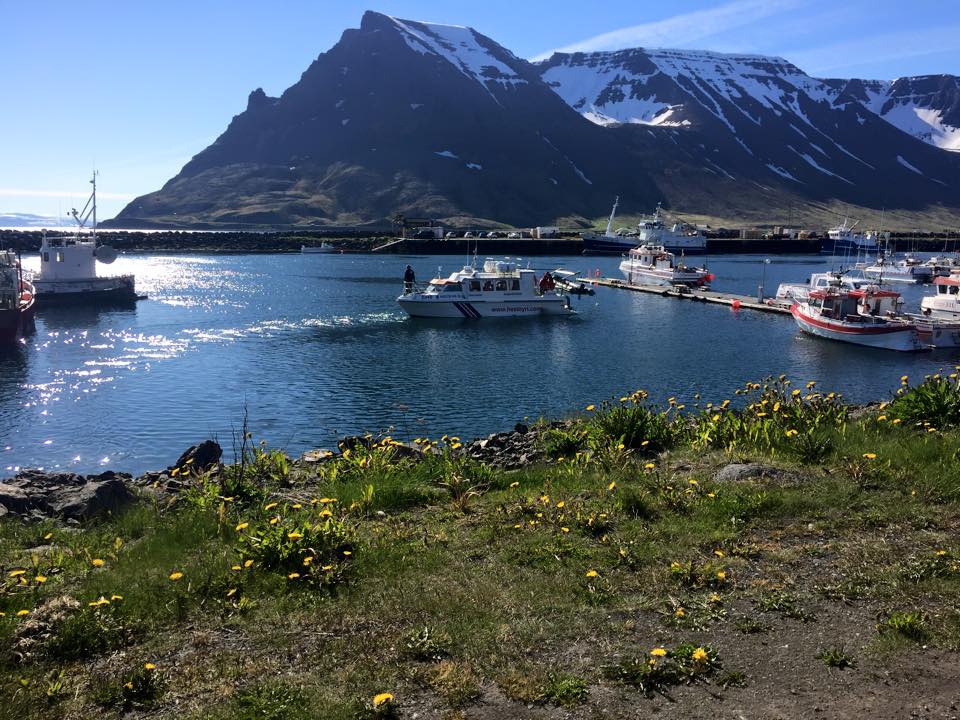
The main gateway to Hornstrandir is the town of Ísafjörður in the Westfjords. During the summer season, several operators offer regular boat transfers from Ísafjörður to different parts of the reserve, including Hornvík, Hesteyri, Aðalvík, and Veiðileysufjörður.
Depending on your destination and weather conditions, the boat journey typically takes between one and two hours. Some visitors choose a day trip with a guided tour, while others arrange drop-off and pick-up services to complete multi-day hiking routes through the reserve.
Because boat services only operate during the summer months and seats can fill up quickly, especially in July, it is a good idea to book transportation in advance. Weather can also affect departure schedules, so travellers should allow some flexibility in their plans.
Most visitors spend at least one full day in Hornstrandir, while experienced hikers often stay for several days to explore the reserve’s remote valleys, bird cliffs, and coastal trails.
Things to Know Before Visiting Hornstrandir
Hornstrandir is one of the most remote regions in Iceland, so preparation is extremely important.
Before visiting, keep the following in mind:
- There are no roads within the reserve.
- Mobile phone coverage is limited.
- There are no supermarkets or restaurants.
- There are no fuel stations.
- Emergency assistance may take time to arrive.
- River crossings may be necessary on some routes.
- Weather conditions can change rapidly.
- Navigation skills are highly recommended.
Visitors should always carry appropriate clothing, food, water, and navigation equipment.

Sample 5-Day Hornstrandir itinerary
Day 1: Land in Keflavík → Pick up Your Rental Car → Drive Towards Ísafjörður
On your first day, you’ll spend most of your time travelling towards the Westfjords and the town of Ísafjörður, the main gateway to Hornstrandir Nature Reserve.
The first step is to pick up your rental car either at the Keflavík International Airport (KEF), where many rental companies provide a short shuttle transfer to their nearby offices in Keflavík or from a rental location in downtown Reykjavik. From there, begin driving north. You’ll follow the Ring Road (Route 1) before connecting to Route 60, which leads through the Westfjords and eventually to Ísafjörður.
If you don’t want to make the 5.5 hour drive in one go, you can easily spend the night in a town along the way like Stykkisholmur on the Snæfellsnes Peninsula.
The driving Route from KEF airport to Isafjordur
Day 2: Arrive in Ísafjörður → explore town → prepare for hike
Whether you spent the night in Ísafjörður or you’re arriving on the morning of day two, take the day to explore this quirky little town and prepare for your adventure.
There are endless things to do in this coastal village from sea kayaking to hiking and visiting museums and art galleries. This is a great time to grab any last minute items you need for exploring in the Hornstrandir Nature Preserve.
Location of Ísafjörður Town
Day 3–4: Take boat → explore Hornstrandir nature → return
On the morning of day three, grab the one hour ferry to Hornstrandir. Spend 1-2 days hiking and exploring the peninsula, whether you decide to do a DIY experience or go with a guided tour. Either option is great!
Day 5: Drive Back to Reykjavík or Extend Your Trip
On day five, make the trek back to Reykjavik with your rental car.
If you decide to do a longer hike in Hornstrandir, like the Royal Horn, you can simply tack this day onto the end of your hiking itinerary!
Location of Iceland capital, Reykjavik
FAQs About Visiting Hornstrandir Nature Reserve
- Is Hornstrandir worth visiting?
Yes. Hornstrandir is one of the most unique destinations in Iceland and offers some of the country’s best hiking, wildlife watching, and wilderness experiences.
- Can you drive to Hornstrandir?
No. There are no roads into the reserve. Access is only possible by boat or via challenging hiking routes.
- Can you see Arctic foxes in Hornstrandir?
Yes. Hornstrandir is considered one of the best places in Iceland to observe Arctic foxes in the wild.
- How many days should I spend in Hornstrandir?
A day trip is enough to experience part of the reserve, but many visitors spend two to five days exploring the area.
- Can you camp in Hornstrandir?
Yes. Camping is permitted at designated locations throughout the reserve during the summer season.
- What is the best month to visit Hornstrandir?
July generally offers the most reliable weather, longest daylight hours, and best access to hiking trails.
- Is Hornstrandir suitable for beginners?
Some day hikers are suitable for beginners with good fitness levels, but many routes are remote and require proper preparation and outdoor experience.
- What wildlife can you see in Hornstrandir?
Visitors commonly see Arctic foxes, puffins, Arctic terns, fulmars, black guillemots, seals, and many other seabird species.
Is Hornstrandir Nature Reserve Worth Visiting?
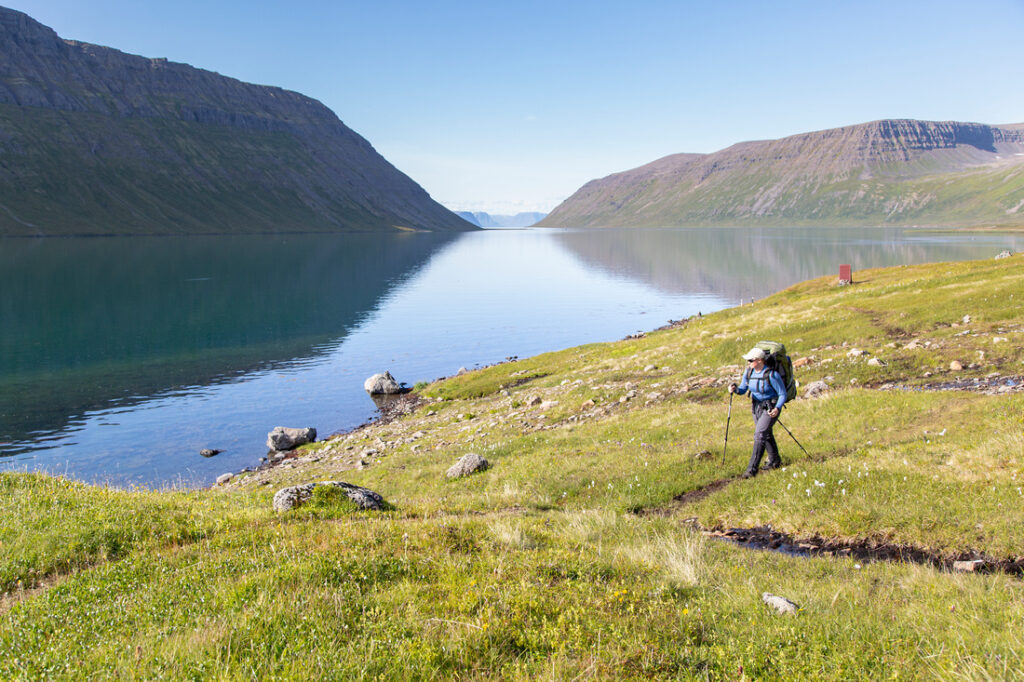
Hornstrandir Nature Reserve is one of the last true wilderness areas in Iceland. With its dramatic sea cliffs, remote fjords, Arctic foxes, and unforgettable hiking trails, it offers a completely different experience from Iceland’s more popular attractions.
Whether you’re planning a day trip from Ísafjörður or a multi-day trekking adventure, Hornstrandir rewards visitors with untouched landscapes, incredible wildlife, and a rare sense of solitude that is becoming increasingly difficult to find in today’s world.
For travelers looking to explore beyond Iceland’s most visited attractions, Hornstrandir offers an unforgettable wilderness experience. From spotting Arctic foxes and seabirds to hiking along dramatic coastal cliffs, this remote corner of the Westfjords showcases Iceland at its most wild and untouched. With proper planning and respect for the environment, a visit to Hornstrandir can easily become one of the highlights of any trip to Iceland.