
Across Iceland, carefully stacked piles of stones known as cairns are more than just scenic photo props. They are historic landmarks, navigation tools and protected cultural heritage. While modern visitors often see cairns as harmless or even cute, building new ones has become a growing problem in Iceland’s fragile landscapes.
If you are traveling around Iceland, especially on a self-drive trip, it is important to understand what cairns really mean, why they matter, and why you should think twice before stacking rocks.

What Are Cairns in Iceland?
Cairns, known locally as varður, are stone structures that have been used in Iceland for centuries.
Traditionally, they were built to:
- Mark safe travel routes across lava fields, deserts and mountains
- Guide travelers in poor visibility, snow, fog or storms
- Warn of dangerous terrain such as cliffs, crevasses, or volcanic areas
Cairns as Navigation Tools
Before modern roads, GPS, or detailed maps, cairns helped travelers navigate vast, empty landscapes. They reassured weary walkers that they were heading toward the next farm, settlement, or village and not toward a hidden cliff edge or unstable volcanic ground.
In some of Iceland’s most remote areas, historic cairn routes are still visible today.
Cairns as Cultural and Historical Heritage
Not all cairns were built for navigation. Some were erected as:
- Memorials for people who died along travel routes
- Markers for important historical events
- Symbols of protection or good luck
Many of Iceland’s cairns are hundreds of years old, and at least one is believed to be among the oldest man-made structures in the country, possibly dating back to Viking settlers.
Because of their cultural importance, cairns in Iceland are carefully catalogued and protected under heritage and environmental regulations.

Why Building New Cairns is a Problem
In recent years, tourists have started building cairns everywhere. Along hiking trails, beside waterfalls, on beaches and across lava fields. While these modern cairns may seem harmless, they cause real issues.
Environmental impact
- Moving stones damages fragile moss and vegetation that can take decades to recover
- Rocks provide shelter for insects and small wildlife
- Disturbing the landscape accelerates erosion
Safety Concerns
New cairns can be dangerous. They may:
- Mislead hikers and drivers by marking false routes
- Create confusion in poor visibility
- Interfere with established navigation markers
Search and rescue teams rely on traditional cairns. Random stacks of stones can complicate emergency situations.
Cultural Respect
Modern cairns are symbolically meaningless and can overshadow or damage genuine historic structures. What may feel like a fun travel ritual undermines centuries of Icelandic history.
Official Advice: Don’t Stack Rocks in Iceland
Iceland’s tourism authorities, national parks, and environmental organizations all share the same message:
Do not build cairns in nature.
If you have already stacked stones, the responsible thing to do is to dismantle them and return the rocks to where you found them.
Responsible travel in Iceland means leaving nature exactly as you found it.
Famous Cairns You Can See in Iceland
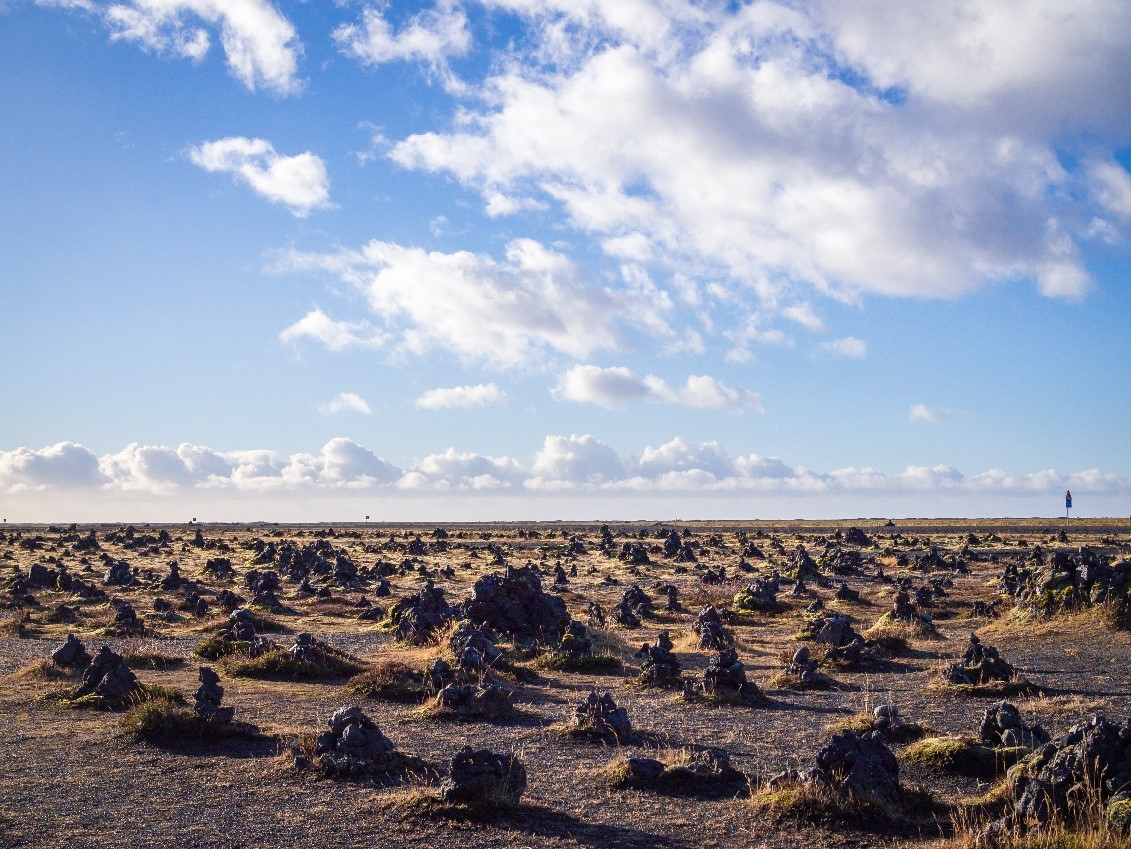
Laufskálavarða on Route 1
If you are driving the Ring Road in South Iceland, watch for Laufskálavarða, located near the Mýrdalssandur desert.
This site features hundreds of small cairns built over centuries. Traditionally, travelers added a stone to with for good luck before crossing the harsh sand plains. These cairns are part of Icelandic tradition and are still respected today.
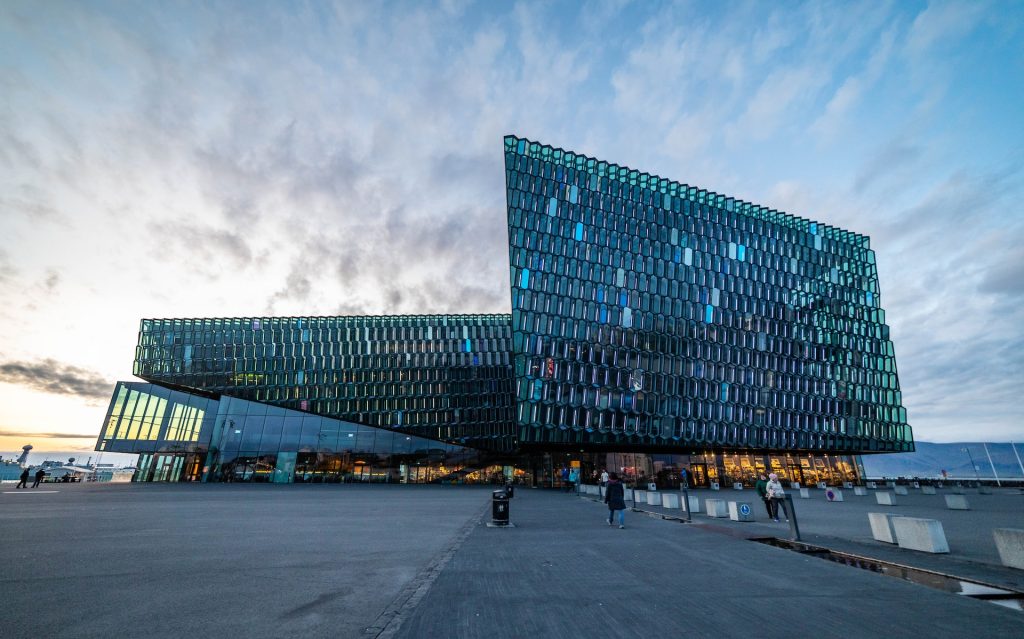
Cairns Near Harpa Concert Hall in Reykjavík
You may also notice cairns along the shoreline near Harpa Concert Hall in central Reykjavík. This is one of the few places where locals are less concerned about the trend, as it is an urban area rather than a protected natural site.
Still, even here, cairns are temporary and often cleared away.
Frequently Asked Questions About Cairns in Iceland
- What is a cairn in Iceland?
A cairn in Iceland is a carefully stacked pile of stones, traditionally used as a navigation marker or landmark. Historically, cairns helped travelers find safe routes across deserts, lava fields, and mountain areas long before modern roads and GPS existed.
- Are cairns protected in Iceland?
Yes. Many cairns in Iceland are protected cultural heritage structures. They are catalogued and preserved because of their historical, navigational, and cultural importance. Damaging or altering historic cairns is not allowed.
- Is it illegal to build cairns in Iceland?
While not every location has the same rules, building new cairns in nature is strongly discouraged and often prohibited in national parks and protected areas. Creating new cairns can damage the environment and interfere with historic navigation markers.
- Why shouldn’t tourists stack rocks in Iceland?
Stacking rocks can harm fragile vegetation, disturb wildlife habitats, and cause erosion. It can also create safety risks by confusing hikers and drivers who rely on traditional cairns for navigation, especially in poor weather conditions.
- Can cairns be dangerous?
Yes, Modern, unofficial cairns can mislead people into following unsafe routes. In emergencies, search and rescue teams rely on established markers, and random stone stacks can create confusion in low visibility or harsh weather.
- Where can I see real historic cairns in Iceland?
You can see authentic cairns along old travel routes, in remote highland areas, and at well-known sites like Laufskálavarða in South Iceland. These cairns were built over centuries and part of Iceland’s cultural history.
- How can I travel responsibly in Iceland?
Travel responsibly by staying on marked paths, not stacking rocks, respecting cultural landmarks, and leaving nature exactly as you found it. Renting a car allows you to explore widely while still following these principles.
- Does responsible travel include driving?
Yes. Responsible travel includes safe and respectful driving. Choosing a suitable rental car, following road rules, and stopping only in designated areas protect Iceland’s landscapes and keeps everyone safe.

How to Travel Responsibly in Iceland
When exploring Iceland by car, especially with a Firefly Iceland rental, you have the freedom to reach incredible places without disturbing nature.
Here’s how you can help protect Iceland’s landscapes:
- Do not stack rocks or build cairns in nature
- Stay on marked paths and trails
- Respect historic landmarks and signage
- Leave no trace behind
Responsible travel ensures that Iceland remains wild, beautiful, and safe for future travelers.
Explore Iceland the Right Way with Firefly Iceland
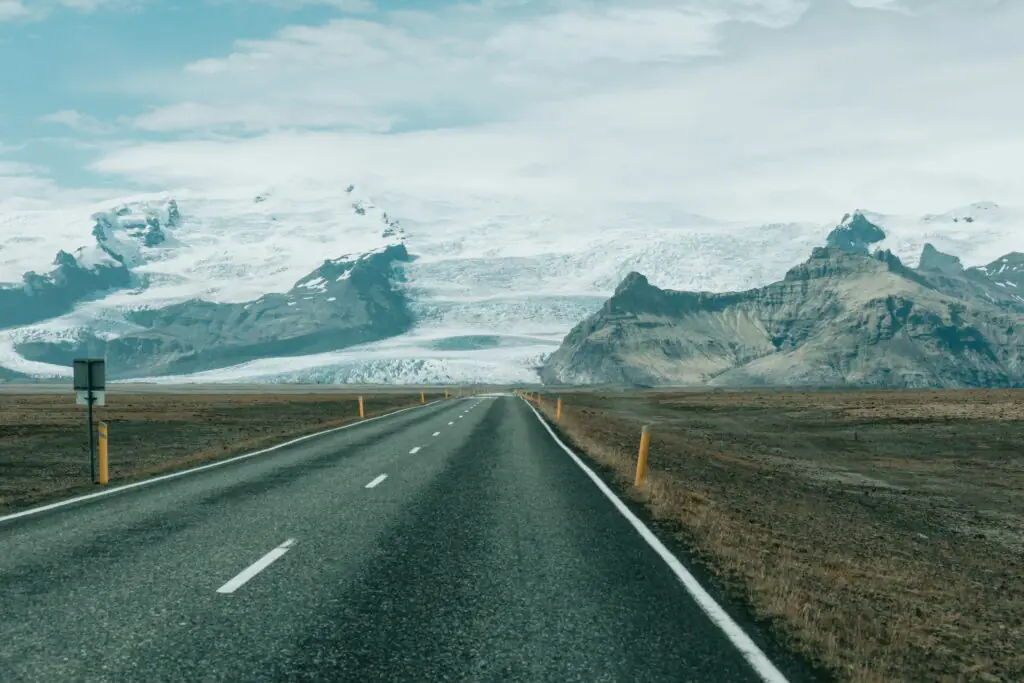
Driving in Iceland is one of the best ways to experience remote regions, scenic routes, and historic sites. With a cheap and reliable rental car from Firefly Iceland, you can explore responsibly while enjoying the freedom of a self-drive adventure.
Take photos, admire the landscapes, and appreciate Iceland’s history. Just leave the stones where they belong.