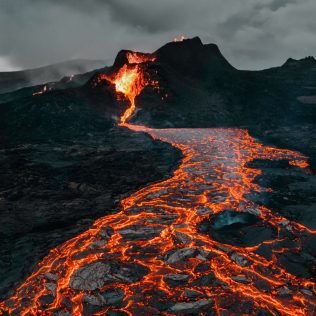
Volcanic eruptions are among the most powerful reminders that Iceland is still a country in the making. For centuries, the Reykjanes Peninsula lay quiet, its volcanic system dormant and largely forgotten. Then, in 2021, that silence was broken.
What followed was not a single dramatic event, but the beginning of a new chapter in Iceland’s geological story. Over several years, a series of eruptions reshaped valleys, created vast lava fields, and signaled a long-term shift in volcanic activity in southwest Iceland.
The 2021 Eruption: Iceland Awakens
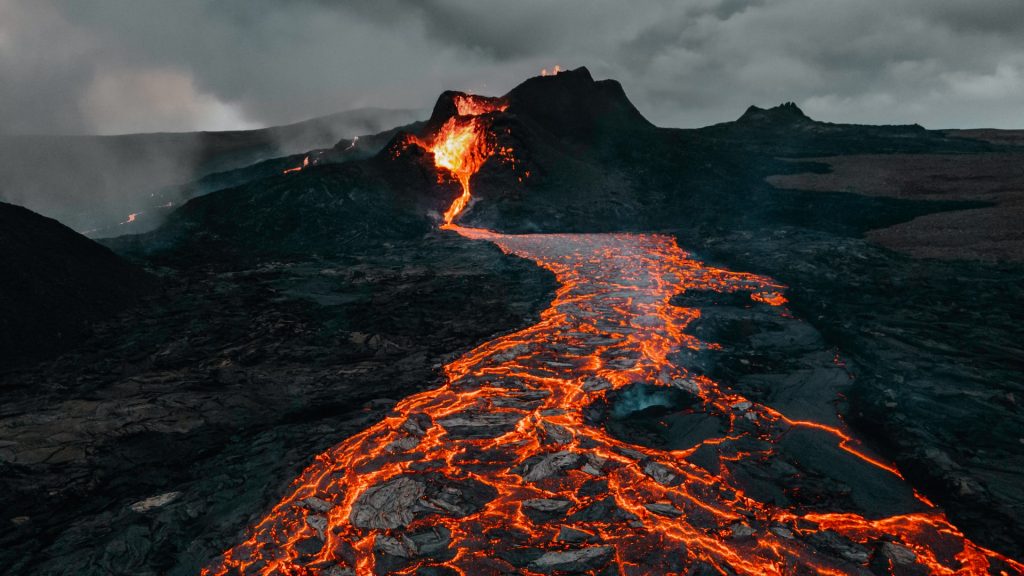
In March 2021, lava broke through the surface near Fagradalsfjall, marking the first volcanic eruption on the Reykjanes Peninsula in nearly 800 years.
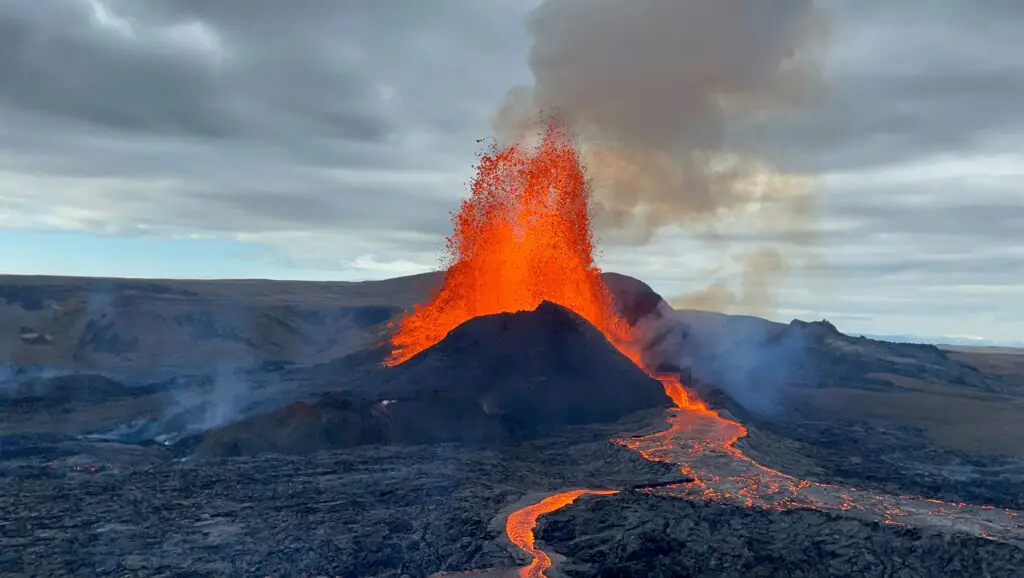
The eruption began quietly, with slow-moving basaltic lava flowing into the valley of Geldingadalir. Unlike explosive eruptions seen elsewhere in the world, this was a fissure eruption, characterized by lava fountains and steady flows rather than violent ash clouds.
Over the following months, lava filled multiple valleys, including Nátthagi, creating entirely new landscapes. The eruption continued intermittently until September 2021, ultimately lasting around six months.
For scientists, this eruption was significant not only for its duration, but because it suggested that the Reykjanes Peninsula had entered a new active phase.
2022: A New Path for Lava
Before the 2022 eruption began, seismic activity intensified dramatically, with around 2,700 earthquakes recorded in the area within a single day. This surge in earthquake activity signaled rising magma movement beneath the Reykjanes Peninsula and heightened scientific monitoring of the region.
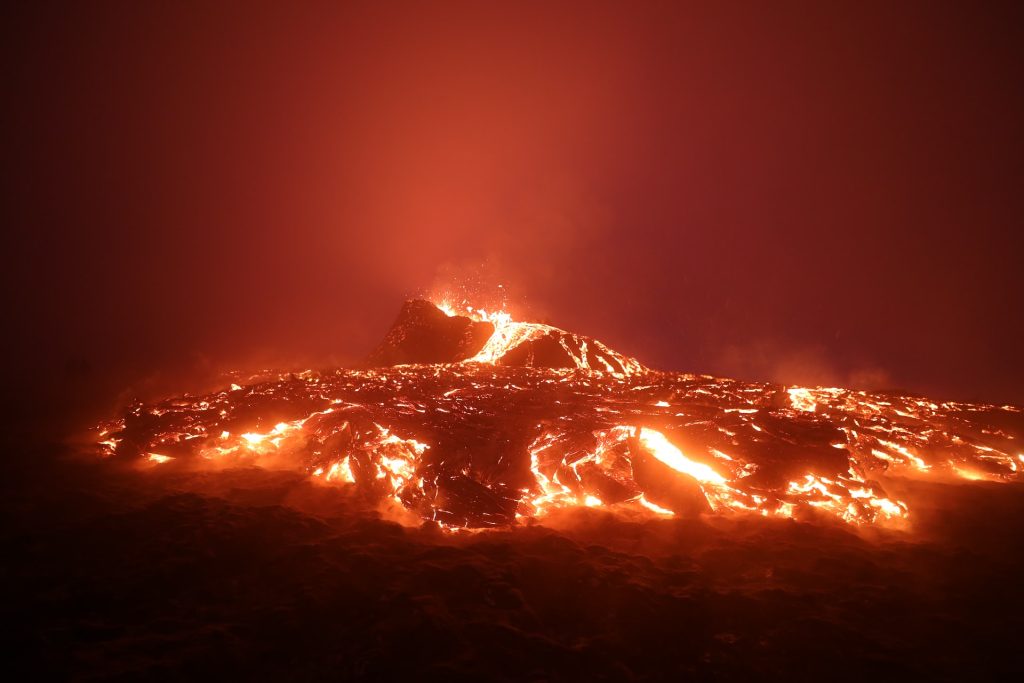
When the eruption started in August 2022, lava emerged from a new fissure and flowed into the valley of Meradalir. While the eruption was part of the same volcanic system as the 2021 event, it followed a different path and behaved differently.
Lava output during the early stages was significantly higher than in 2021, but activity declined more quickly. Within weeks, the eruption had largely subsided, reinforcing the idea that magma was continuing to more beneath the peninsula without reusing the same fissures.
Eruptions After 2022: A Pattern Becomes Clear
The 2022 eruption was not the end of volcanic activity on the Reykjanes Peninsula. In the years that followed, several additional eruptions occurred in the same region, confirming that the events of 2021 were not isolated.
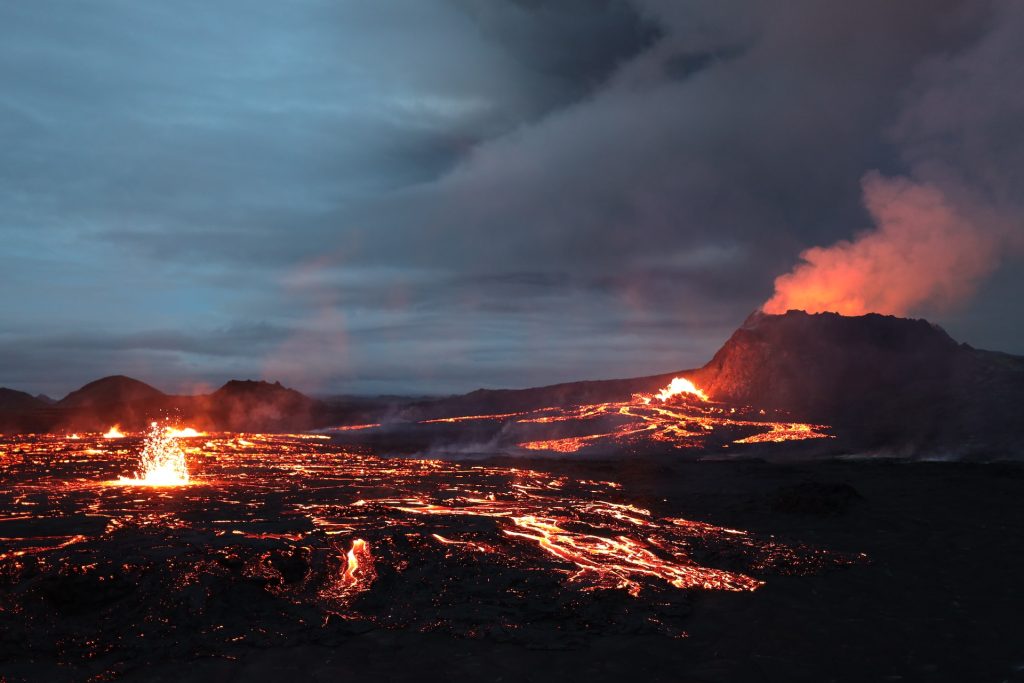
In summer 2023, a new eruption took place near Litli-Hrútur, following weeks of seismic unrest. This eruption was shorter-lived than the 2021 event but further demonstrated that magma was continuing to rise along different fissures within the peninsula.
From late 2023 onward, volcanic activity shifted again, this time closer to populated areas along the Sundhnúkur crater row near Grindavík. A series of short eruptions occurred across 2023, 2024, and into 2025, each opening new fissures rather than reactivating previous ones. While many of these eruptions were brief. their frequency marked a significant change in behavior compared to earlier centuries.
Together, these events confirmed what scientists had begun to suspect after the first eruption: the Reykjanes Peninsula had entered a long-term active volcanic phase, similar to periods recorded in Iceland’s medieval history.
Is This the Same Volcano Each Time?
In simple terms, yes and no.
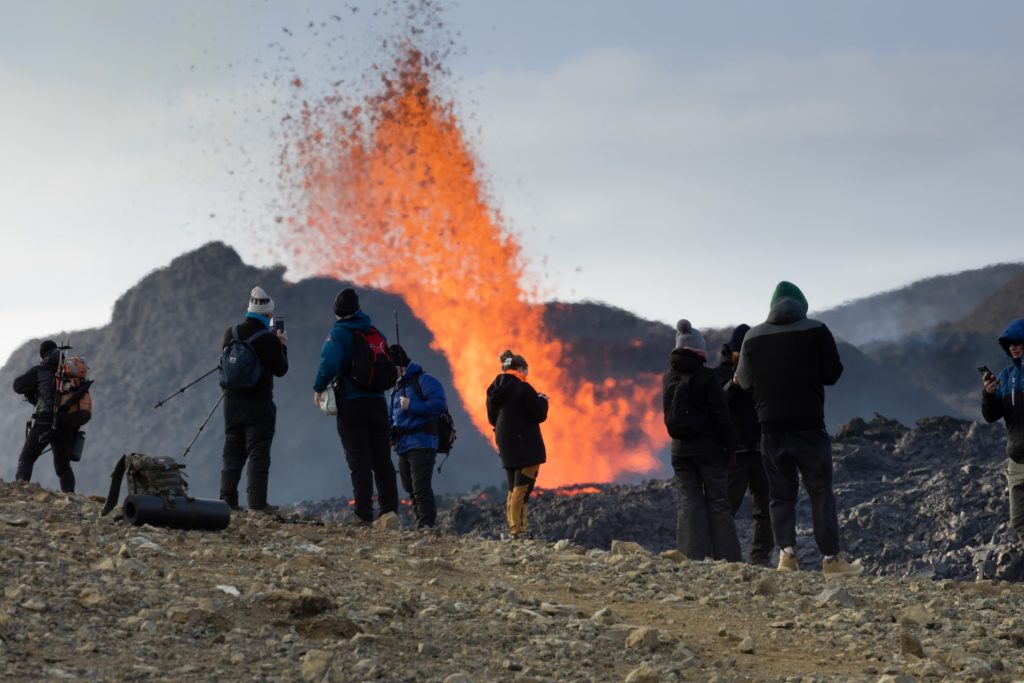
All eruptions since 2021 belong to the same volcanic system on the Reykjanes Peninsula, commonly referred to as Fagradalsfjall. However, each eruption has opened new fissures, meaning lava has not always emerged from the same location.
From a geological perspective, these are related but separate eruptions within a broader system. From a public perspective, they are often grouped together under one familiar name
FAQ: Reykjanes Peninsula Volcanic Activity
- When did volcanic activity return to Reykjanes?
Volcanic activity resumed in March 2021 after nearly 800 years of dormancy.
- Is the volcano currently erupting?
No. The most recent eruption has ended, and there is currently no active lava flow.
- Why have there been multiple eruptions in recent years?
Reykjanes behaves as a connected volcanic system. Magma moves underground and can surface at different fissures over time.
- Are future eruptions likely?
Yes. Scientists believe the peninsula has entered a long-term active phase, although the timing of future eruptions cannot be predicted.
Conclusion: A Peninsula Reawakened
The eruptions on the Reykjanes Peninsula since 2021 mark the beginning of a new volcanic era in southwest Iceland. Rather than a single dramatic event, they represent a sequence of eruptions driven by the same underlying system.
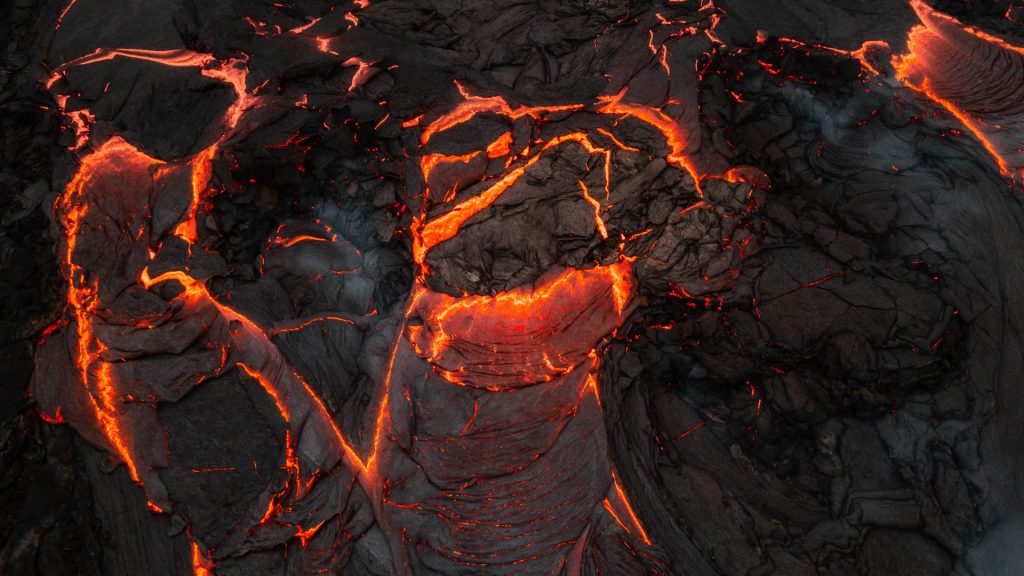
Although the surface is currently quiet, the lava fields and newly formed landscapes remain as lasting evidence of the changes that have taken place. What has unfolded over the past few years is not an ending, but the early stages of a volcanic cycle that may continue to shape the Reykjanes Peninsula for decades to come.