Diving in Iceland offers a unique and thrilling experience for divers of all levels. From crystal-clear waters between tectonic plates to historic shipwrecks and underwater geothermal formations, Iceland is unlike any other diving destination in the world.
In this guide, we cover where you can dive in Iceland, what makes each site special, the best time to dive, and how to plan your trip efficiently.
Why Dive in Iceland?
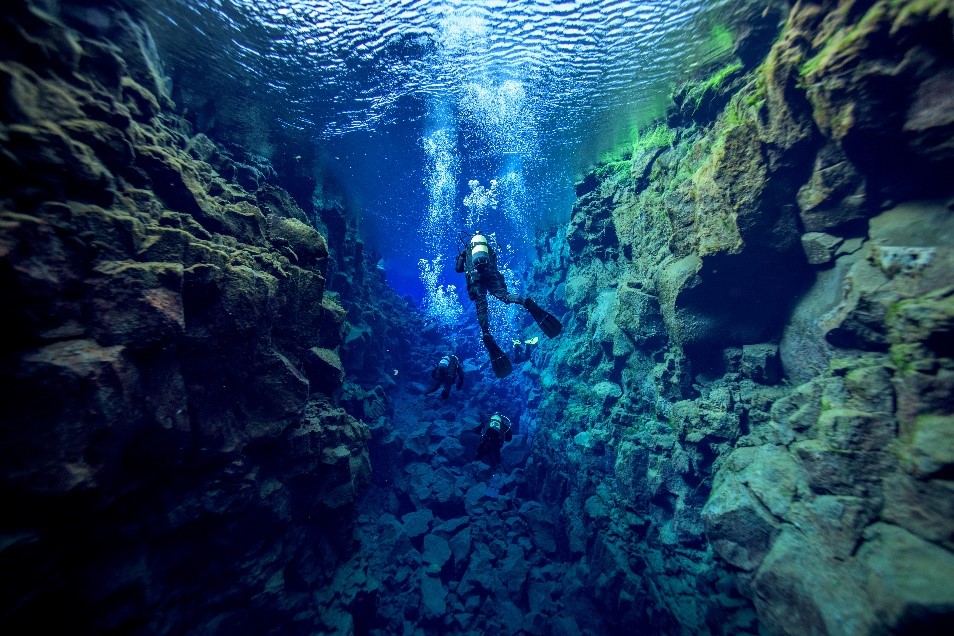
Diving in Iceland is exceptional due to country’s geology and water quality. Iceland sits directly on the Mid-Atlantic Ridge, where the North American and Eurasian tectonic plates meet, allowing divers to swim between condiments.
Key reasons Iceland is a top cold-water diving destination:
- Rare opportunity to dive between tectonic plates
- Extremely clear freshwater and seawater visibility
- Unique dive sites including geothermal vents and WWII shipwrecks
- Low pollution and well-protected marine environments
Best Time to Dive in Iceland
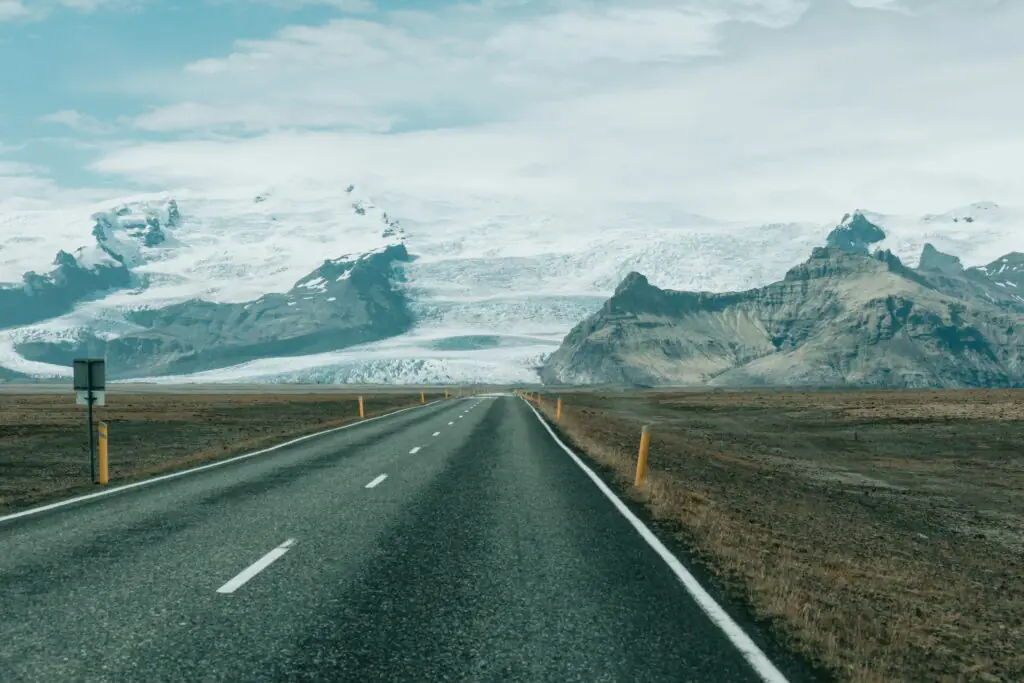
The best time to dive in Iceland is from June to September. During summer, weather conditions are more stable, roads are easier to access, and extended daylight allows flexible dive schedules.
However, diving is possible year-round:
- Summer: Best visibility, milder weather, easier logistics
- Winter: Fewer visitors, dramatic scenery, ice diving in select locations
Water temperatures remain cold throughout the year, typically 2–4°C (36-39°F), so dry suit diving is required.
Top Diving Spots in Iceland
Silfra Rift
Located in Þingvellir National Park, Silfra is Iceland’s most famous dive site and one of the clearest freshwater dives in the world.
Silfra is filled with glacial meltwater filtered trough lava rock for decades, resulting in visibility that often exceeds 80-100 meters. Divers explore four main sections: Silfra Big Crack, Silfra Hall, Silfra Cathedral, and Silfra Lagoon.
Silfra Fissure
The Silfra Fissure allows divers to touch both the North American and Eurasian tectonic plates in a single dive. This experience is unique to Iceland and is a major reason divers travel here.
Driving and Snorkeling in Silfra
Silfra is suitable for both certified divers and snorkelers. Divers explore deeper sections like Silfra Cathedral, while snorkelers float through shallower areas with the same crystal-clear visibility.
Requirements:
Dry suit certification or documented dry suit experience is required. Snorkeling tours are available for those without certification.
Westfjords Diving
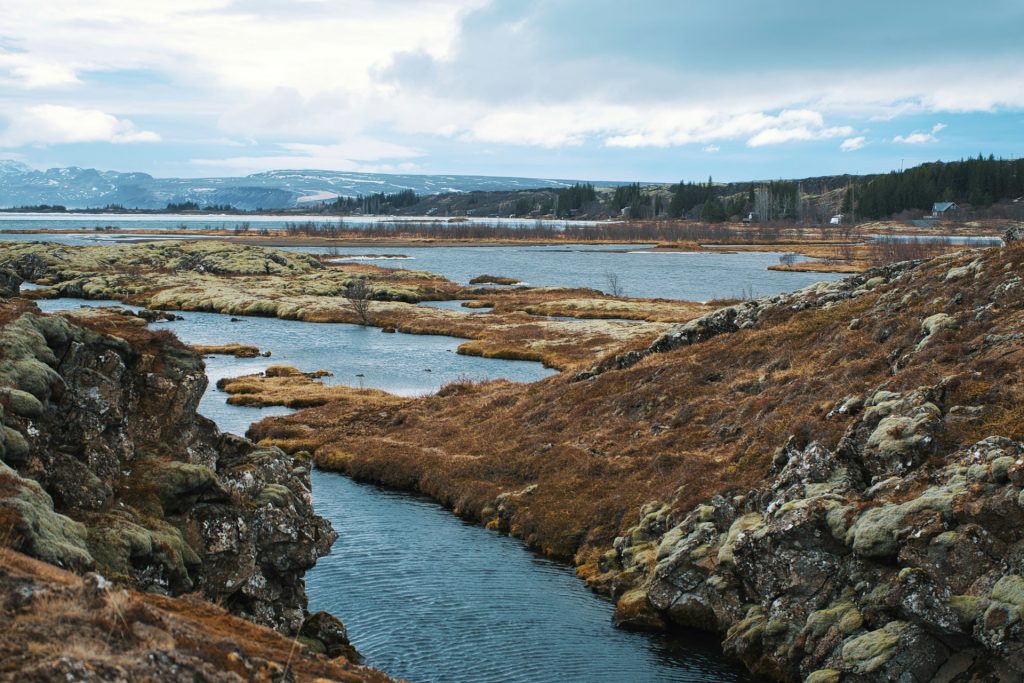
The Westfjords offer remote experiences surrounded by fjords, fishing villages, and rich marine ecosystems.
Dives here often include kelp forest, cold-water species, and dramatic underwater landscapes. Some operators also offer gourmet diving experiences where divers collect shellfish that later prepared in traditional Icelandic dishes.
Seyðisfjörður – El Grillo Shipwreck
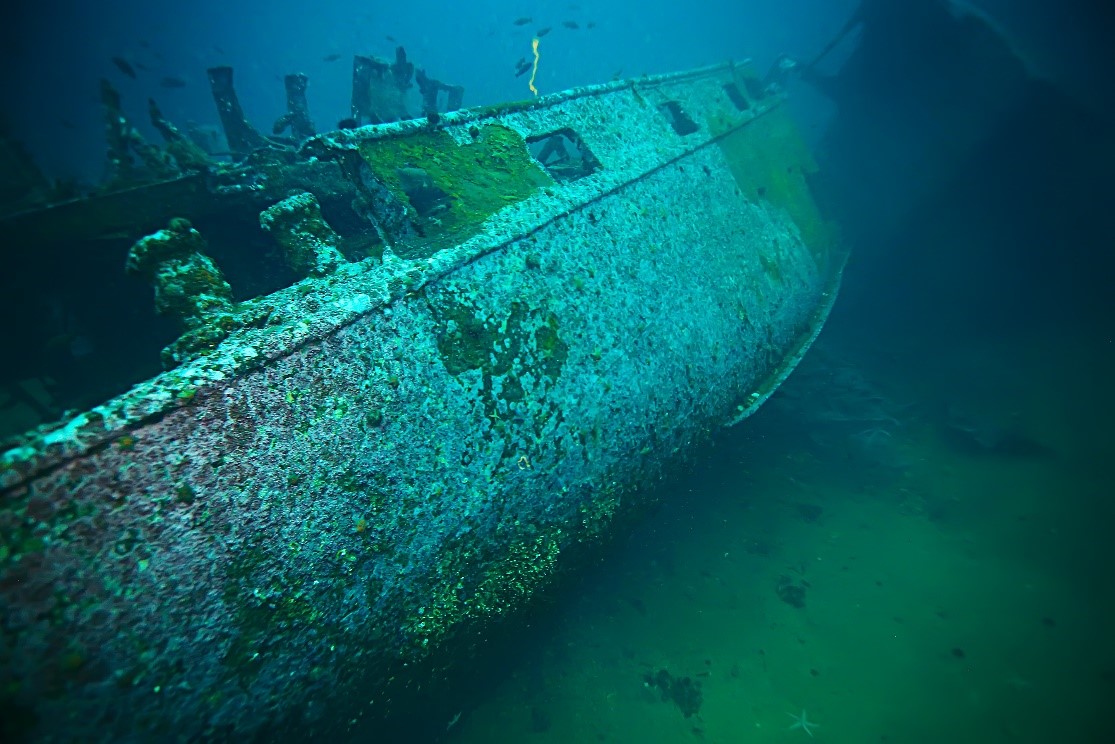
The town of Seyðisfjörður is home to the El Grillo shipwreck, one of Iceland’s most historically significant dive sites.
El Grillo was a British oil tanker sunk during World War II by German aircraft. The wreck lies on the fjord floor and offers an atmospheric dive best suited for experienced dry suit divers
Strýtan Geothermal Vent
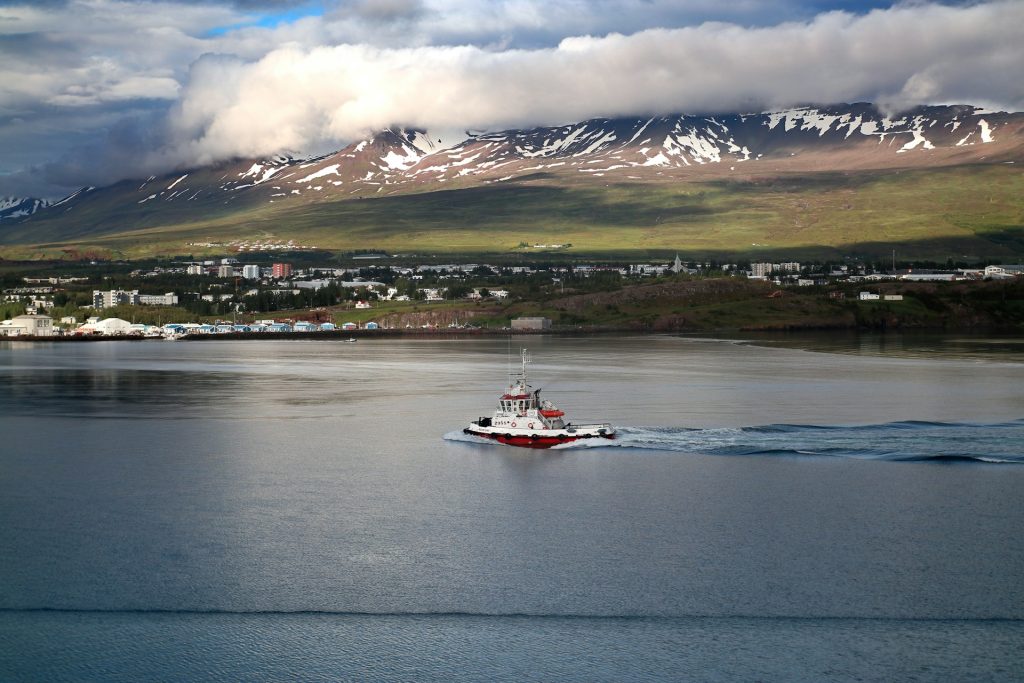
The Strýtan geothermal vent, located in Eyjafjörður, is one of the only drivable underwater geothermal vents in the world.
The vent has been forming for over 11,000 years and creates towering limestone structures underwater. As a protected site, dives must be conducted with a licensed guide. Water near the vent is warmer than surrounding seawater, creating a rare and fascinating environment.
Diving Sites in Iceland: Quick Comparison Table
| Dive Site | Location | Type of Dive | Skill Level | Key Highlights |
| Silfra Rift | Þingvellir National Park | Freshwater fissure | Beginner-Advanced | Tectonic plates, extreme visibility |
| Westfjords | Northwest Iceland | Cold-water ocean dive | Beginner-Advanced | Kelp forests, marine life |
| El Grillo Shipwreck | Seyðisfjörður | Shipwreck | Advanced | WWII wreck, historical dive |
| Strýtan Vent | Eyjafjörður | Geothermal dive | Advanced | Underwater hot vent, limestone towers |
Getting to Iceland’s Diving Sites by Car
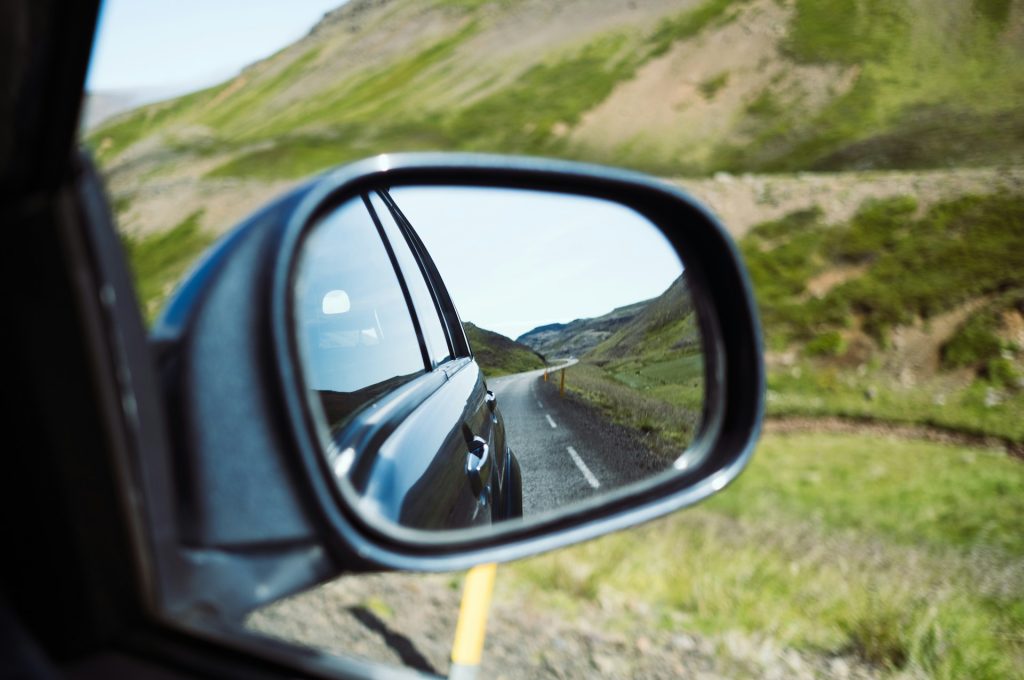
Renting a car is the most practical way to reach Iceland’s diving locations, especially outside Reykjavík.
- Þingvellir National Park (Silfra): 45 minutes from Reykjavík
- Westfjords: Approximately 6 hours from Reykjavík
- Seyðisfjörður: Around 8 hours from Reykjavík
- Eyjafjörður (Strýtan): Roughly 5 hours from Reykjavík
A self-drive trip allows flexibility and easier transport of diving equipment.
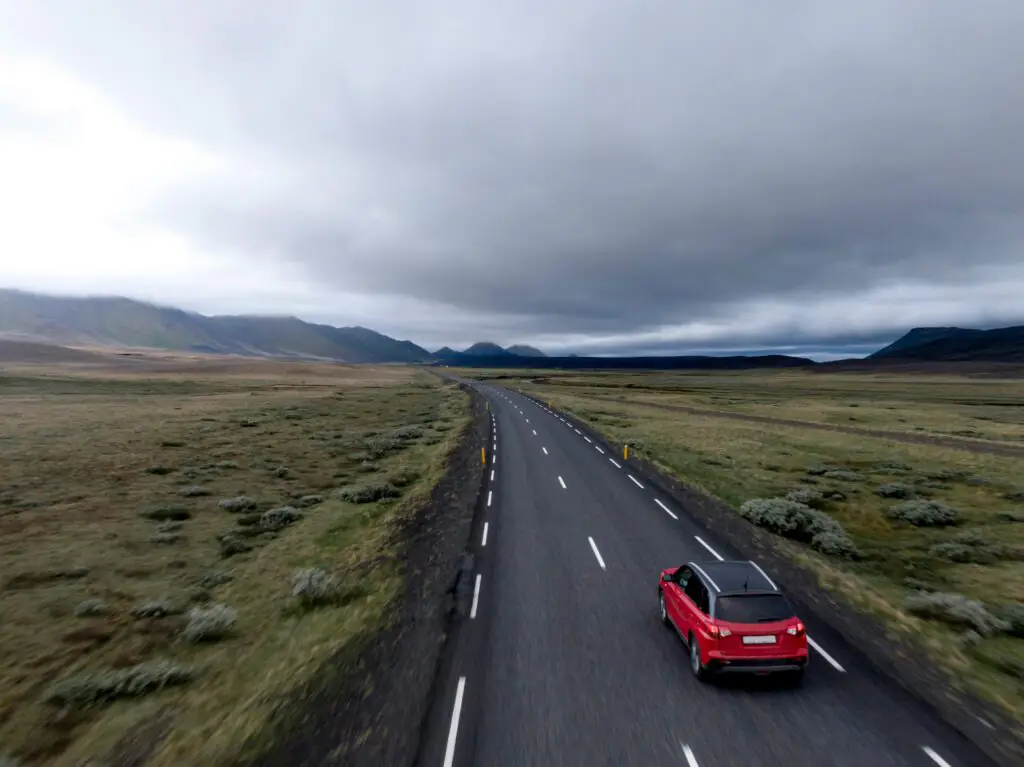
Choosing the Right Rental Car for a Diving Trip in Iceland
Choosing the right rental car is an important part of planning a diving trip in Iceland, especially if you are traveling with a bulky equipment like dry suits, tanks and bags.
For diving sites close to Reykjavík and along well-maintained main roads, such as Silfra in Þingvellir National Park, a standard 2WD car is usually sufficient during summer. These routes are paved and easy to drive, making them suitable for most travelers.
If your diving plans include more remote areas, such as the Westfjords or parts of East Iceland near Seyðirfjörður, a 4WD vehicle is strongly recommended. These regions often involve gravel roads, steep mountain passes, and rapidly changing weather conditions, where extra traction and ground clearance make a real difference,
Season also matters:
- Summer: 2WD cars work well for most dive locations
- Winter: A 4WD with winter tires is highly recommended for safety
When booking, make sure the car has enough luggage space for diving gear. Hatchbacks and compact SUVs are often more practical than small city cars for divers.
Firefly Iceland car rental a good option for divers looking for a cheap and reliable rental car without unnecessary extras. Firefly offers practical vehicles that are well suited for self-drive trips, allowing you to reach Iceland’s top diving sites at your own pace while keeping travel costs under control.
With the right car, you can focus on the diving experience itself and enjoy the flexibility of exploring Iceland’s unique underwater locations safely and comfortably.

Frequently Asked Questions About Diving in Iceland
- Do you need a dry suit to dive in Iceland?
Yes. Almost all diving in Iceland requires a dry suit due to cold water temperatures year-round.
- Can beginners dive in Iceland?
Yes. Sites like Silfra are suitable for beginners, provided they have dry suit certification or participate in guided tours.
- Is diving in Iceland safe?
Yes, when conducted with licensed operators proper equipment. Iceland has strict safely standards for diving.
- Can you dive in Iceland in winter?
Yes. Diving is possible year-round, though winter diving requires more experience and careful planning.
- Is Silfra better for diving or snorkeling?
Both offer incredible experiences. Diving allows deeper exploration, while snorkeling requires less training and still offers excellent visibility.
- Do you need a dry suit to dive in Iceland?
Yes. Almost all diving in Iceland requires a dry suit due to cold water temperatures year-round.
- Can beginners dive in Iceland?
Yes. Sites like Silfra are suitable for beginners, provided they have dry suit certification or participate in guided tours.
- Is diving in Iceland safe?
Yes, when conducted with licensed operators proper equipment. Iceland has strict safely standards for diving.
- Can you dive in Iceland in winter?
Yes. Diving is possible year-round, though winter diving requires more experience and careful planning.
- Is Silfra better for diving or snorkeling?
Both offer incredible experiences. Diving allows deeper exploration, while snorkeling requires less training and still offers excellent visibility.
Conclusion
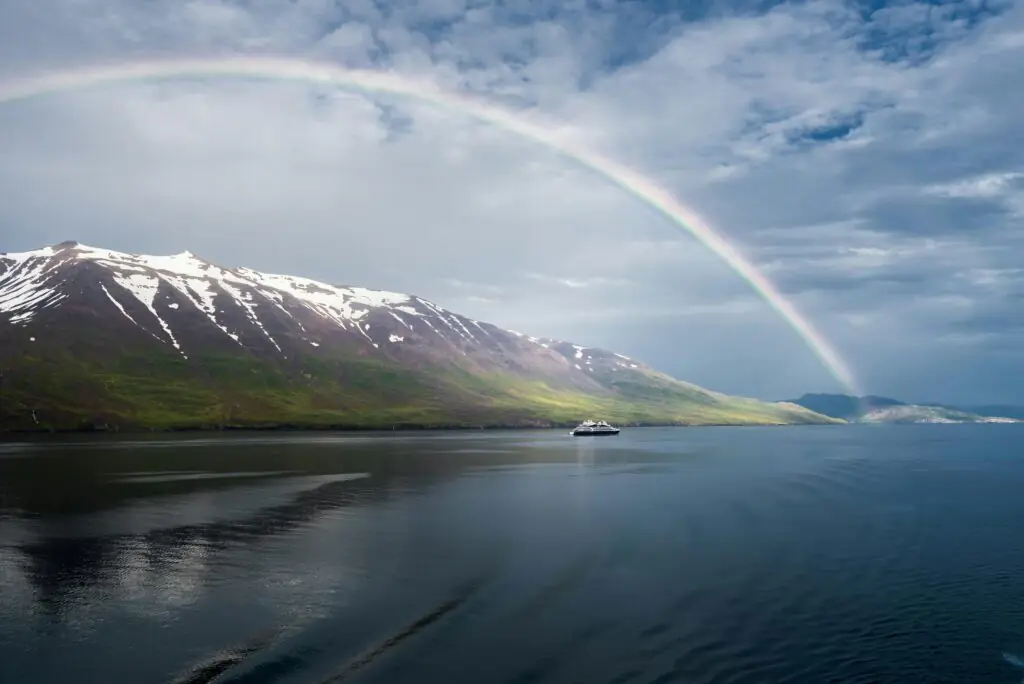
Driving in Iceland is a rare opportunity to explore underwater environments shaped by geology, history and natural forces found nowhere else. From the clear waters of Siflra to the historic El Grillo shipwreck and the geothermal wonders of Strýtan, Iceland delivers unforgettable cold-water diving experiences.
With proper planning, the right equipment, and a reliable rental car, you can safely and comfortably explore some of the world’s most extraordinary dive sites.