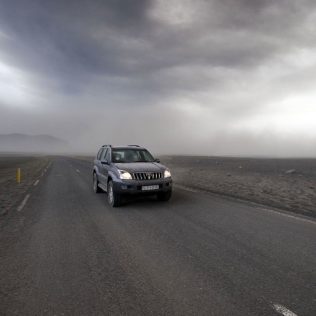
Driving in Iceland is one of the best ways to explore the country’s dramatic landscapes, from waterfalls and glaciers to remote fjords and volcanic plains. However, Iceland’s roads, weather, and driving conditions are very different from what many travelers are used to.
Whether you are planning a short self-drive trip or a full Ring Road adventure, understanding Icelandic driving rules and safety advice is essential. Below are the most important travel tips every visitor should know before getting behind the wheel in Iceland.
Sightseeing and Driver Distraction
Sightseeing while driving is one of the main causes of rollovers and accidents in Iceland. The scenery can be overwhelming, but stopping on the road or slowing suddenly to take photos is extremely dangerous.
Always pull over safely and stop the vehicle completely when admiring Iceland’s landscapes or taking photos. Many accidents happen when drivers take their eyes off the road for just a few seconds.
Driving on Gravel Roads
Many paved roads in Iceland suddenly change to gravel without much warning.
Great care must be taken when leaving asphalt roads and driving onto gravel roads. The change in surface can cause vehicles to skid or lose control.
- Reduce speed immediately when entering gravel
- Avoid sudden braking or sharp turns
- Maintain a steady and controlled driving style
Gravel roads are common in rural areas, fjords, and parts of the Highlands.
Blind Summits and Hills
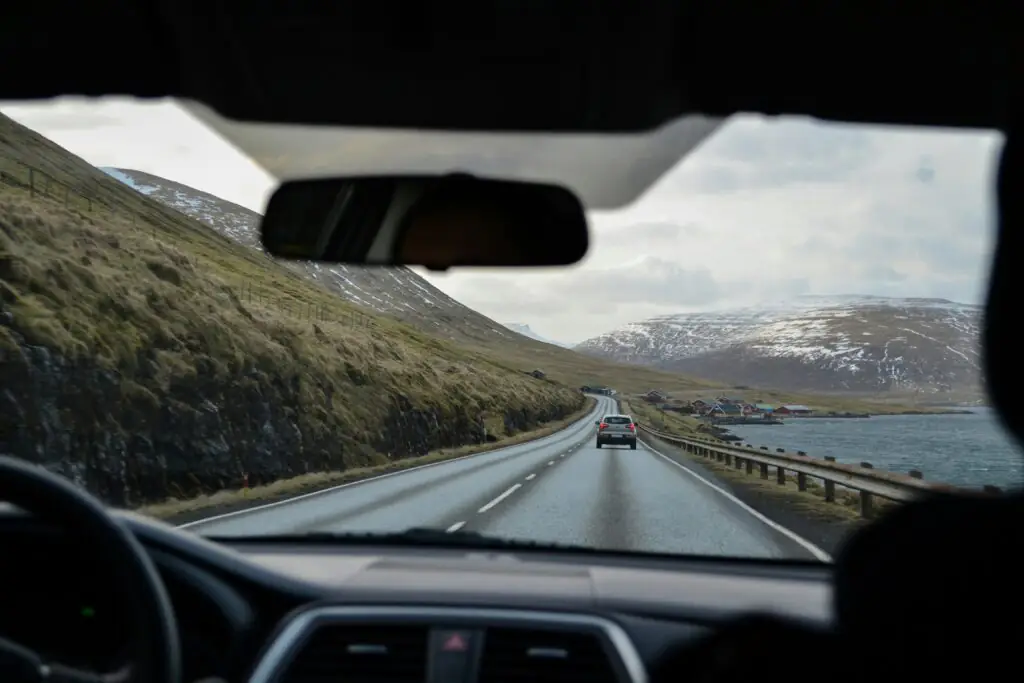
Blind summits (blind hills) are very common in Iceland. You may not see oncoming traffic until the last moment.
- Slow down before reaching the top of a hill
- Keep to the right side of the road
- Be prepared to meet an approaching vehicle suddenly
These conditions are especially common in rural areas and mountain regions.
Farm Animals on the Road
Iceland is an open-range country.
Please be prepared for farm animals grazing by the roadside or crossing the road unexpectedly.
- Sheep wander freely during the summer season and may enter the road unexpectedly.
- Animals can appear suddenly, especially in summer.
- Slow down in rural areas and stay alert at all times.
Hitting an animal can be dangerous and may also result in liability for damages.
One-Way Bridges
There are many one-lane (one-way) bridges on Icelandic highways.
- Only one vehicle can cross at a time
- Yield to the vehicle closest to the bridge
- Approach slowly and make eye contact when possible
Most bridges are clearly marked, but caution is always required.
Fatigue and Long Daylight Hours
Avoid driving when you are tired.
During summer, Iceland experiences up to 24 hours of daylight, which can confuse your natural sense of time and increase fatigue.
- Take regular breaks
- If you feel tired, take a 15-minute nap
- Do not push long driving days without rest
Driver fatigue is a serious safety risk on Icelandic roads.
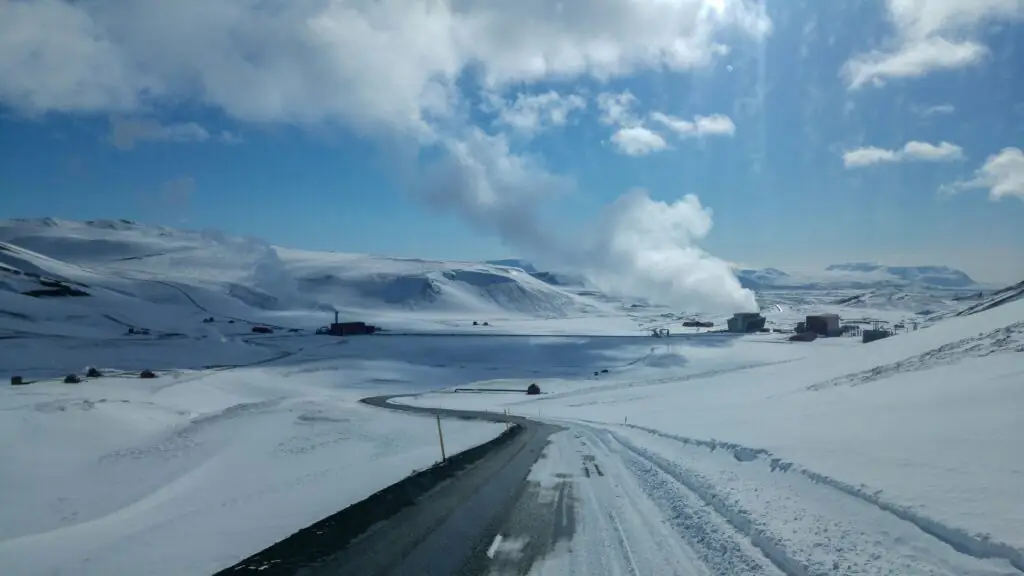
Important Insurance Limitations You must Know
PLEASE BE AWARE THAT:
- Your insurances do not cover damages when driving off road.
- Your insurances do not cover damages when driving in water/river.
- Your insurances do not cover damages to tires and underbody of the vehicle.
- Special insurance is required to reduce excess liability in case of damages caused by ash/sandstorm.
Off-road driving is illegal in Iceland and causes severe damage to nature. Violations may result in heavy fines and full liability for damages.
2WD Vehicles and F-Road Restrictions
2WD vehicles are not allowed in the Highlands and they are not insured on roads marked with “F”
(All Highland roads signs are marked with an F, i.e. F26).
This rule also applies to the following roads:
- Kaldidalur #550
- Kjölur #35
- Landmannalaugar #208.
Driving these roads in a 2WD vehicle will result in fees and full liability. For full details, always refer to the rental terms and conditions before traveling.
Useful Travel Information for Driving in Iceland
To help you travel safely, we strongly recommend checking the following official websites before and during your trip:

www.safetravel.is
A webpage that was created by the Icelandic Association for Search and Rescue. Has useful information about travelling whether you are driving, hiking or by other means.

www.road.is
General information about road conditions and weather in Iceland. If you are travelling into the Highlands we strongly recommend that you visit this website.

www.vedur.is
Official website of the Icelandic Met Office (Weather office). Here you can find everything about the weather in Iceland along with information about seismicity, avalanches, pollution and more.
www.vegasja.vegagerdin.is
A live road camera and condition viewer operated by the Road Administration. Excellent for checking current visibility, snow, ice, and wind conditions.
FAQ: Driving Safety and Travel Rules in Iceland
- Is it safe to drive in Iceland as a tourist?
Yes, driving in Iceland is generally safe if you follow traffic rules, respect weather warnings, and adjust your driving to road conditions. Most accidents involve speeding, distraction, or ignoring local advice.
- Are gravel roads dangerous in Iceland?
Gravel roads are safe when driven correctly, but they require slower speeds and gentle handling. Sudden braking or fast cornering can cause skidding or loss of control.
- Can I drive off-road in Iceland?
No. Off-road driving is illegal in Iceland and causes permanent damage to nature. Insurance does not cover off-road damage, and fines can be severe.
- Do I need a 4×4 vehicle in Iceland?
- Where should I check road and weather conditions daily?
Final Advice for Safe Iceland Road Trip
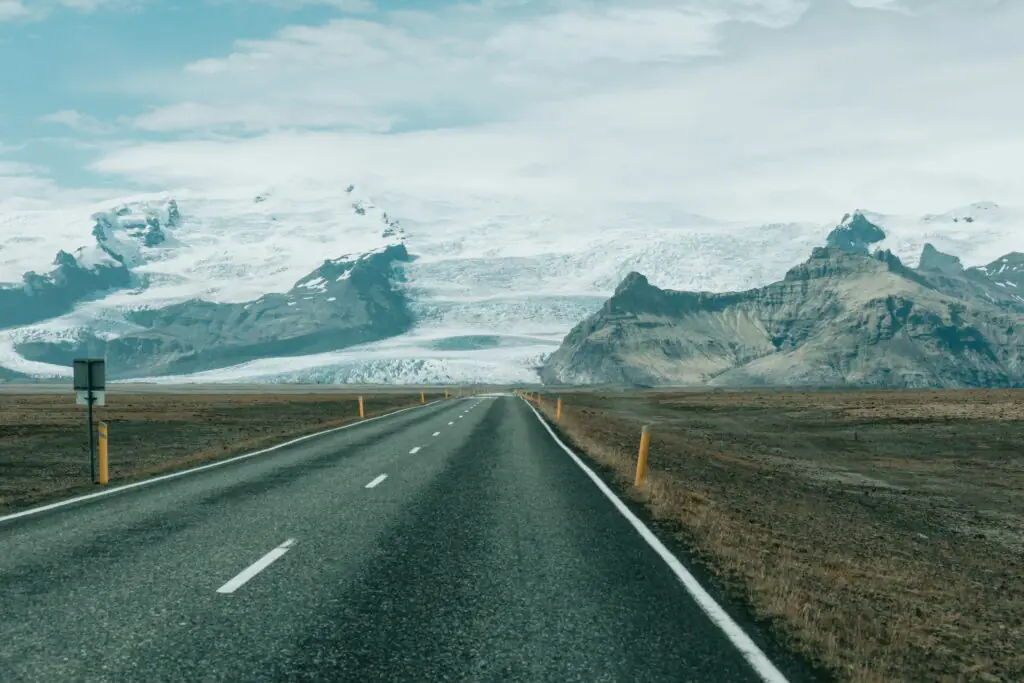
Driving in Iceland offers freedom, flexibility, and unforgettable scenery, but it also comes with responsibility. By respecting road conditions, understanding insurance limitations, and preparing properly, you can enjoy a safe and memorable self-drive experience.