
Is Iceland always covered in snow? Do Icelanders believe in elves? And is it true that everyone in Iceland knows each other?
Iceland is famous for its volcanoes, glaciers, northern lights, and beautiful landscapes. But there are also plenty of myths and misconceptions about Icelandic culture, weather, food, and everyday life.
Some of these myths come from Iceland’s name, while others are inspired by Viking history, traditional folklore, or popular travel stories.
If you’re planning a trip to Iceland, it’s worth knowing what life in the Land of Fire and Ice is actually like.
In this guide, we’re debunking nine common myths about Iceland, sharing interesting facts about Icelandic culture, and offering tips for exploring the country on a budget.
9 Common Myths and Misconceptions About Iceland
Myth 1: Iceland is Always Cold and Covered in Ice
Despite its name, Iceland is not covered in snow and ice all year round.
Iceland has a relatively mild climate for its northern location, thanks partly to warm ocean currents in the North Atlantic.
During summer, temperatures typically range from around 10°C to 15°C (50°F to 59°F), although warmer days above 20°C (68°F) are possible.
Winter temperatures are generally colder, but coastal areas are often milder than visitors expect. However, Icelandic weather can change quickly, and strong winds can make it feel much colder.
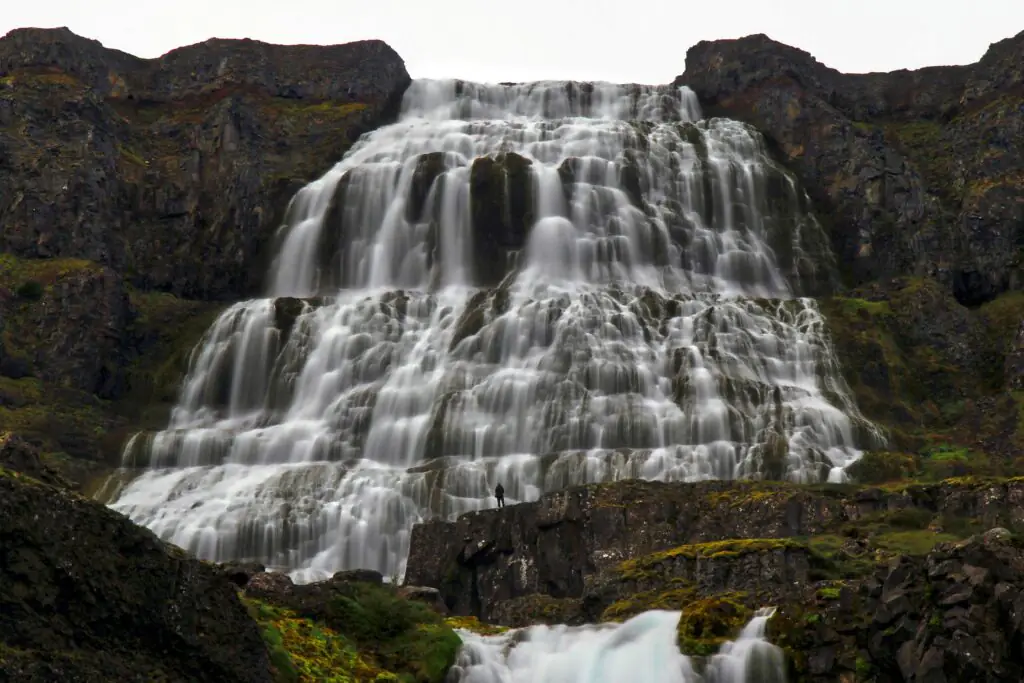
Iceland’s landscapes also change dramatically with the seasons. During summer, you’ll find green valleys, colourful mountains, waterfalls, and black sand beaches. In winter, snow-covered mountains, frozen landscapes, and icy waterfalls create a completely different experience.
Want to know when to visit? Read our guide to the best time to visit Iceland.

Myth 2: Everyone in Iceland Has Blonde Hair and Blue Eyes
One common stereotype is that all Icelanders have blonde hair and blue eyes.
While these features are found in Iceland, the country’s population has a variety of appearances, backgrounds, and family histories.
Iceland’s early settlers came mainly from Scandinavia and the British Isles, including people of Norse and Gaelic ancestry.
Today, Iceland is also home to people with roots in many different countries, making its population more diverse than some visitors might expect.
There is no single appearance that defines an Icelander.
Myth 3: All Icelanders Believe in Elves and Trolls
Iceland is famous for its stories about elves, trolls, and hidden people, known as huldufólk in Icelandic.
But does everyone in Iceland actually believe these creatures exist?
Not necessarily.
Icelandic folklore is an important part of the country’s cultural heritage, but people’s beliefs vary. Some Icelanders believe in supernatural beings, others enjoy the stories as traditions, and many simply appreciate their cultural significance.
These stories have been passed down through generations and are often connected to unusual rock formations, mountains, and other natural landmarks.
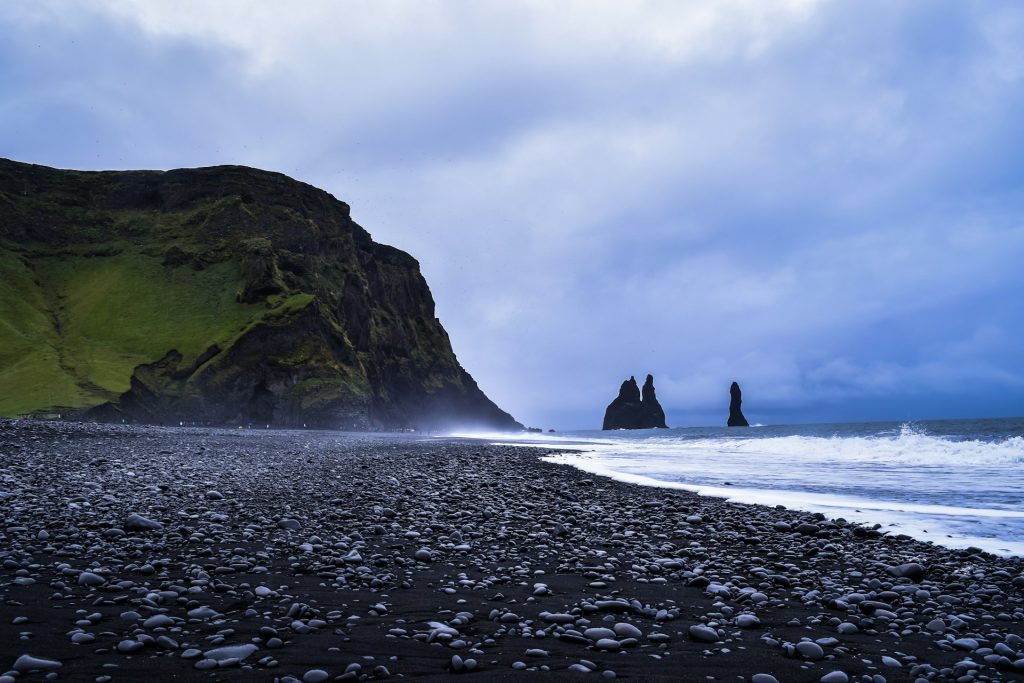
For example, the famous Reynisdrangar sea stacks near Vík are associated with a legend about trolls that turned to stone in the sunlight.
Want to learn more? Explore our guide to trolls in Iceland.
Myth 4: Icelanders Only Eat Fermented Shark and Unusual Traditional Foods
When people search for traditional Icelandic food, fermented shark often appears near the top of the list.
Fermented shark, known as hákarl, is a traditional Icelandic food, but it is not something most Icelanders eat every day.
Icelandic cuisine includes a wide variety of dishes, including:
- Fresh fish, especially cod and haddock
- Icelandic lamb and traditional lamb soup (kjötsúpa)
- Skyr, a popular Icelandic cultured dairy product
- Rye bread (rúgbrauð)
- Icelandic hot dogs (pylsur)
- Pastries and traditional baked goods
Iceland also uses geothermal energy to heat greenhouses, allowing farmers to grow vegetables such as tomatoes, cucumbers, and peppers throughout much of the year.
You’ll also find plenty of international restaurants, cafés, bakeries, and fast-food options in Reykjavík and other towns.
So don’t worry! You won’t have to eat fermented shark during your Iceland road trip unless you want to try it.
Stereotype 5: All Icelandair’s Are Vikings
Iceland has a fascinating Viking history, but that doesn’t mean Icelanders today are Vikings.
The settlement of Iceland began in the late ninth century, primarily involving Norse settlers and people from the British Isles.
Viking Age history remains an important part of Icelandic heritage, and visitors can learn about it through museums, historical sites, and traditional Icelandic sagas.
However, modern Iceland is a contemporary society with a diverse population, modern technology, and cultural influences from around the world.
If you’re interested in Iceland’s Viking history, consider visiting museums such as the National Museum of Iceland in Reykjavík or the Settlement Exhibition.
These attractions provide a fascinating look at how people lived in Iceland more than 1,000 years ago.
Myth 6: People in Iceland Live in Igloos
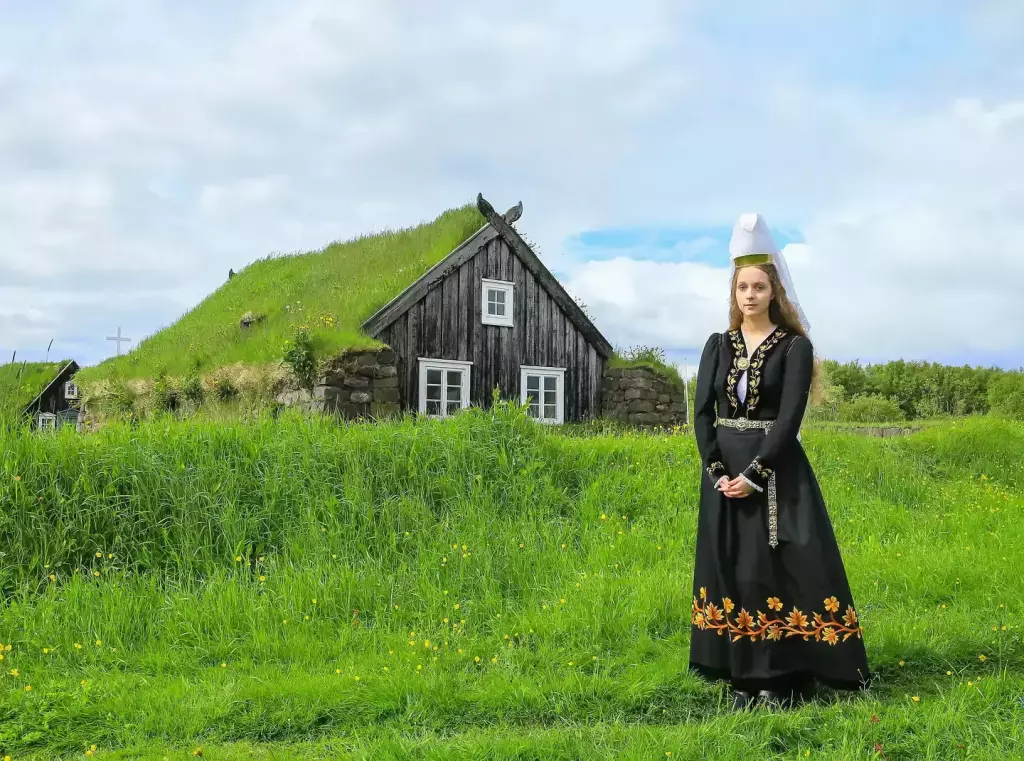
No, Icelanders do not live in igloos.
Despite the country’s name and northern location, Iceland has modern houses, apartments, towns, and cities just like many other European countries.
One interesting feature of Icelandic homes is how they are heated.
A large majority of Icelandic homes use geothermal energy for heating. Naturally heated water from underground helps keep homes warm, even during the coldest winter months.
This renewable energy resource is also used to heat swimming pools and some greenhouses.
Visitors can experience Iceland’s geothermal culture by visiting local swimming pools and geothermal bathing facilities throughout the country.
Myth 7: Icelanders Are Unfriendly
Icelanders are sometimes described as quiet or reserved, particularly by visitors who come from cultures where strangers frequently make small talk.
However, communication styles vary between individuals and cultures.
In Iceland, people often communicate directly and informally. For example, Icelanders generally use first names, even when speaking to teachers, managers, or public officials.
Icelandic also expresses politeness differently from English. While the language does not use a direct equivalent of “please” in exactly the same way, there are many ways to be polite and respectful.
Visitors will find that many Icelanders are happy to help with directions, recommendations, or questions about the country.
A friendly attitude and respect for local customs can go a long way when travelling anywhere, including Iceland.
Myth 8: Iceland Is Completely Dark in Winter and Has No Night in Summer
Iceland experiences significant changes in daylight throughout the year, but the amount of daylight depends on the season and location.
During December, Reykjavík receives around four hours of daylight near the winter solstice. This means winter days are short, but the country is not completely dark for months.
In summer, the opposite happens.
Around June, Reykjavík experiences approximately 21 hours of daylight, with bright twilight during the remaining hours.
In northern Iceland, the sun can remain above the horizon around the summer solstice. Grímsey, an island north of mainland Iceland, is crossed by the Arctic Circle and experiences the midnight sun.
These long summer days are perfect for sightseeing, while the darker months offer opportunities to see the northern lights.
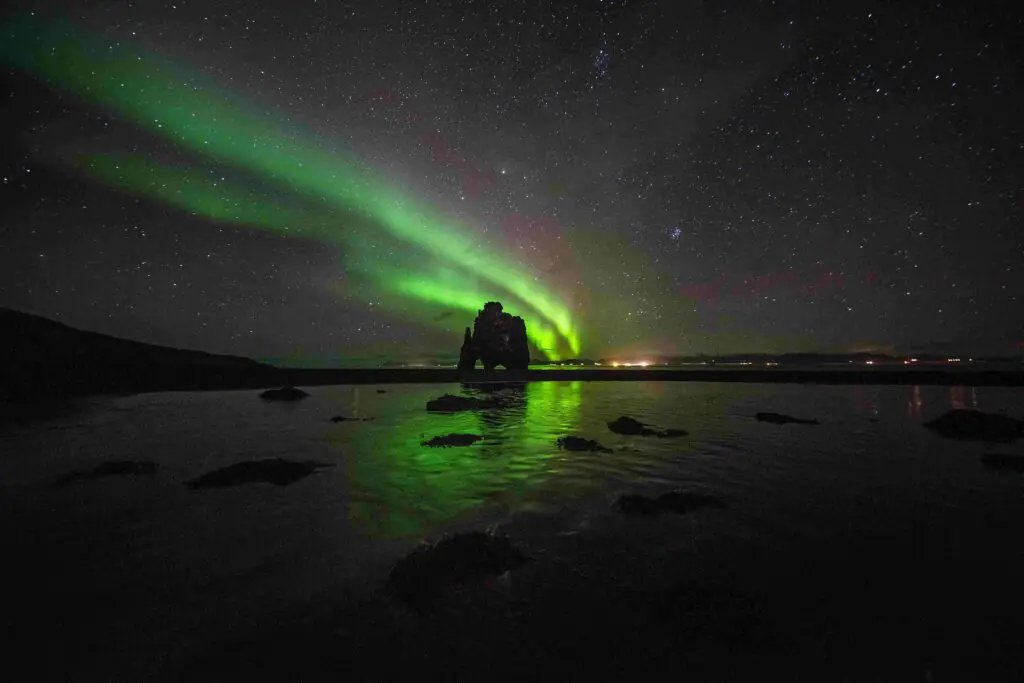
If you’re hoping to see the aurora borealis, the best season is generally from September to April, when the skies are dark enough.
Myth 9: Everyone in Iceland Is Related
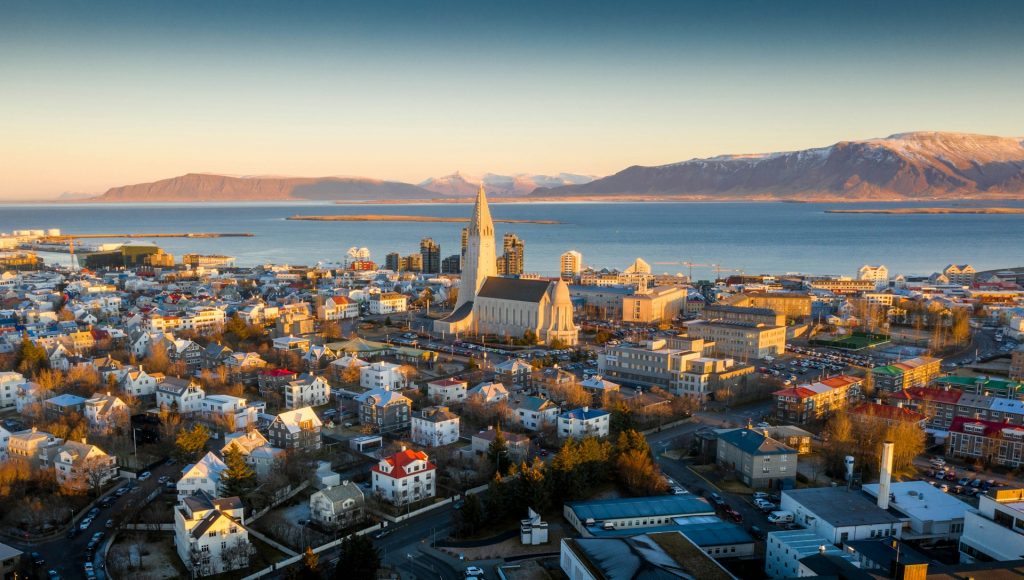
Iceland has a relatively small population, which has inspired the popular joke that everyone knows everyone.
However, this doesn’t mean all Icelanders are closely related.
Iceland’s population has grown and changed over centuries, and immigration has contributed to the country’s diversity.
One interesting fact is that Iceland has extensive genealogical records. The online database Íslendingabók allows eligible registered users to explore family connections and Icelandic ancestry.
Because Iceland is a small country, it’s not unusual for people to discover distant family connections or mutual acquaintances.
But the idea that everyone is closely related is an exaggeration.
Unique Facts of Icelandic Culture
Icelandic culture combines centuries-old traditions with modern lifestyles.
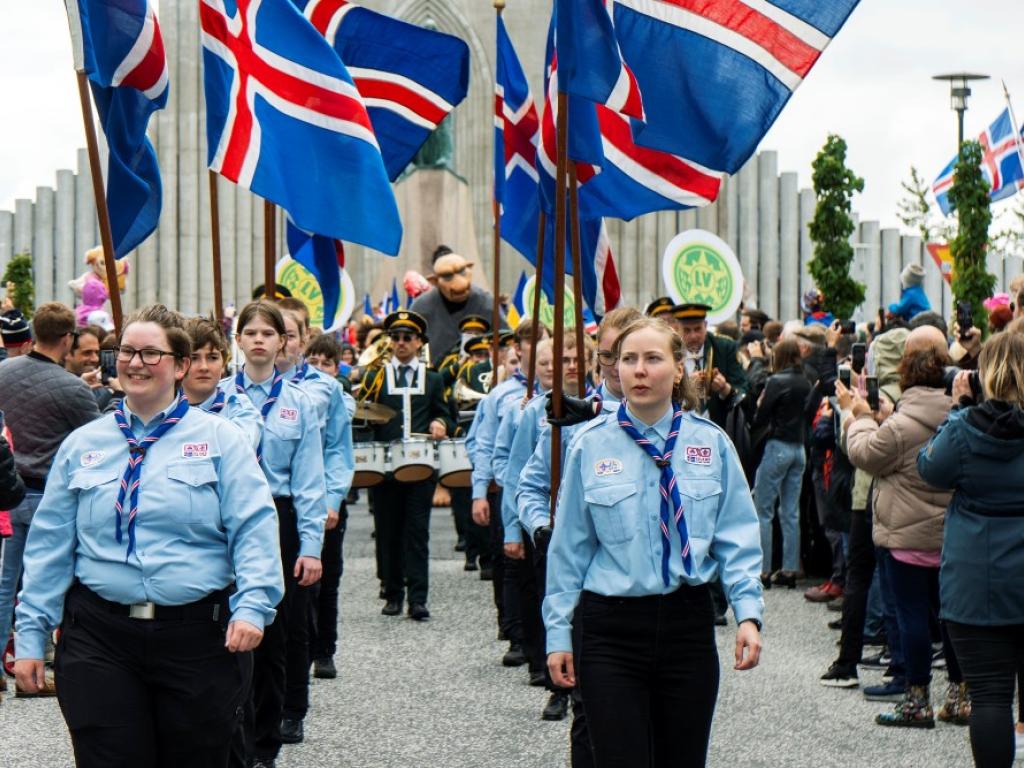
From the Icelandic language and traditional sagas to geothermal swimming pools and local festivals, there are many interesting aspects of everyday life that visitors can discover.
Icelandic Language and Traditions
Icelandic is the country’s official language and has preserved many features of Old Norse.
Although the language has evolved over time, Icelanders can still read many medieval Icelandic texts with less difficulty than speakers of some other modern languages.
The Icelandic sagas are an important part of the country’s literary heritage, telling stories about early settlers, families, conflicts, and historical events.
Another interesting tradition is Iceland’s naming system.
Many Icelanders use patronymic or matronymic names based on a parent’s first name rather than a family surname passed down through generations.
For example, a person’s last name might end in -son (son) or -dóttir (daughter).
Swimming Pools Are an Important Part of Icelandic Life
One of the best ways to experience everyday Icelandic culture is to visit a local swimming pool.
Geothermally heated swimming pools are found in towns and communities across Iceland.
For many Icelanders, visiting the swimming pool is a regular social activity, whether it’s for exercise, relaxation, or catching up with friends.
Most public pools have outdoor hot tubs, and many are open throughout the year.
They’re also generally much more affordable than Iceland’s famous luxury geothermal spas, making them a great activity for budget travellers.
Gender Equality and Inclusivity in Iceland
Iceland is internationally recognised for its progress in gender equality and LGBTQ+ rights.
The country has a long history of promoting equal opportunities and has introduced legislation supporting gender equality and protection against discrimination.
In 1980, Vigdís Finnbogadóttir became the world’s first woman democratically elected as president in a national presidential election.
In 2010, Iceland legalised same-sex marriage, and the country has continued to develop legislation recognising LGBTQ+ rights.
Iceland also allows individuals to register a gender-neutral designation in the national registry. While no country is free from social challenges, equality and inclusion remain important topics in Icelandic society.
Planning Your Trip to Iceland: How to Experience Local Culture
Now that we’ve explored some of the most common myths about Iceland, it’s time to plan your visit.
Whether you’re interested in Icelandic food, Viking history, geothermal pools, or beautiful landscapes, there are plenty of ways to experience the country beyond its most famous attractions.
When Is the Best Time to Visit Iceland?
The best time to visit Iceland depends on what you want to see and do.
Summer, from June to August, is the most popular season thanks to milder weather, long daylight hours, and access to more remote areas.
However, spring and autumn can also be great times to explore Iceland, particularly if you prefer fewer visitors at popular attractions.
Winter offers a completely different experience, with snowy landscapes, shorter days, and opportunities to see the northern lights.
Each season has its advantages, so choose the time of year that best suits your travel plans and budget.
Explore Iceland With a Cheap Rental Car
One of the best ways to discover Iceland beyond the usual tourist attractions is by renting a car.
Having your own vehicle gives you the freedom to visit smaller towns, local swimming pools, museums, cafés, and scenic destinations that may be difficult to reach using public transport.
If you’re travelling on a budget, choosing a cheap car rental in Iceland can help you save money for other experiences.
At Firefly Iceland, we offer affordable car rental options for travellers who want to explore Iceland without spending more than necessary.
Our rental cars are generally older than those offered by premium rental companies, but they are well-maintained and provide a reliable, budget-friendly option for your Iceland road trip.
By choosing an older rental car, you can enjoy the freedom of exploring Iceland while keeping your travel costs down.
Whether you’re planning to visit Reykjavík, explore the Golden Circle, or drive along Iceland’s Ring Road, Firefly offers cheap car rental options for different travel needs.
For winter travel, consider whether a 4×4 rental car would be more suitable for your planned route and the expected conditions.

Frequently Asked Questions About Iceland
- Is Iceland always cold?
No. Iceland experiences relatively mild summers, with average temperatures often around 10°C to 15°C (50°F to 59°F). Winter is colder, but coastal areas are generally milder than many people expect for a country so far north.
- Do Icelanders really believe in elves?
Some Icelanders believe in elves or hidden people, while others consider them part of traditional folklore. Stories about elves and trolls remain an important part of Icelandic cultural heritage.
- Are Icelanders descended from Vikings?
Many Icelanders have ancestry connected to Norse settlers from the Viking Age, along with people from the British Isles. However, Iceland’s population has become more diverse over time, and modern Icelandic identity is not defined by Viking ancestry.
- Is Iceland dark all day in winter?
No. Reykjavík receives approximately four hours of daylight around the winter solstice in December. Daylight hours gradually increase after December, and by summer, Iceland experiences extremely long days.
- Is Iceland dark all day in winter?
No. Reykjavík receives approximately four hours of daylight around the winter solstice in December. Daylight hours gradually increase after December, and by summer, Iceland experiences extremely long days.
- What food do Icelanders normally eat?
Common foods in Iceland include fresh fish, lamb, skyr, rye bread, soups, and Icelandic hot dogs. Iceland also has a wide range of international restaurants, cafés, and modern dining options.
- Is Iceland expensive for tourists?
Iceland can be an expensive destination, particularly for accommodation, restaurants, and organised activities. However, travellers can reduce costs by visiting local swimming pools, shopping at supermarkets, exploring free natural attractions, and choosing budget accommodation and cheap car rental options.
- Can you explore Iceland with a cheap rental car?
Yes. A cheap rental car is a practical option for exploring Reykjavík, the Golden Circle, the Ring Road, and many other destinations on Iceland’s regular road network.
A 2WD rental car can be suitable for many routes, particularly in summer, while a 4×4 may be preferable for certain conditions and destinations. Iceland’s F-roads require a suitable 4×4 vehicle and are generally accessible only during the summer season.
- Why are Firefly Iceland rental cars cheaper?
Firefly Iceland offers budget-friendly car rental options by using older, well-maintained vehicles rather than focusing on a brand-new or premium fleet.
This helps keep rental prices affordable while providing travellers with a practical option for exploring Iceland.
- Is renting a car worth it in Iceland?
For many travellers, yes. Renting a car allows you to visit attractions, smaller towns, and scenic locations without relying entirely on organised tours or limited public transport connections.
It can be particularly useful for families, couples, and travellers planning to visit several destinations during their trip.
Conclusion: Discover the Real Iceland Beyond the Myths
Iceland is much more than snow, Vikings, elves, and dramatic volcanic landscapes.
From its rich history and unique traditions to its modern culture, local food, and geothermal swimming pools, there’s plenty to discover beyond the common myths about Iceland.
The best way to experience Iceland is to explore it for yourself, visit local communities, and discover what makes the country special.
And exploring Iceland doesn’t have to mean spending a fortune.
With Firefly Iceland’s older, well-maintained rental cars, you can enjoy a cheap car rental in Iceland and spend more of your travel budget on unforgettable experiences.
Ready to discover the real Iceland? Book your cheap rental car with Firefly Iceland and start planning your road trip.